Why Golf Bag Design Matters More Than Features
Modern golf bags are often sold through accumulation. More pockets. More mechanisms. More claims. The assumption is simple. More features must mean a better product.
In practice, the opposite is often true.
Golf bag design matters more than features because design determines how a bag behaves over time, not just how it appears at launch. Design governs balance, durability, usability, and psychological calm. Features merely decorate those fundamentals.
This article explains why great golf bags are defined by design discipline rather than feature volume, how feature driven products quietly fail serious golfers, and why Kolf Maison builds from architecture first rather than marketing lists.
Features Solve Isolated Problems. Design Solves the Whole Experience.
A feature addresses a single moment.
A magnetic pocket. A dedicated sleeve. A new access point.
Design addresses every moment.
How the bag carries for eighteen holes. How it feels when lifted hundreds of times. How it ages after years of play and travel. How it behaves when full rather than empty.
When design is weak, features become compensation. When design is strong, features become almost irrelevant.
This is why golfers often feel excited by a bag at purchase and disappointed months later. Features delivered a promise. Design failed to support it.
Why Feature Lists Create False Confidence
Feature driven products rely on comparison.
More pockets than the competitor. More compartments. More visible innovation.
This creates short term confidence. The buyer feels they are getting more.
But features do not carry weight. Structure does.
Features do not preserve balance. Geometry does.
Features do not prevent fatigue. Distribution does.
When golfers realize this, it is usually through use rather than research.
Design Determines Balance and Balance Determines Everything
Balance is the most important quality of a golf bag and the least marketed.
A well designed bag feels lighter than its actual weight. It does not pull. It does not twist. It does not require adjustment mid round.
This balance comes from internal architecture. Panel support. Load paths. Pocket placement.
No number of features can correct poor balance.
In fact, excessive features usually make balance worse by adding uneven weight and stress.
Kolf Maison designs golf bags from the inside out. Architecture comes first. Balance is tested under full load. Only then are access points refined.
Why More Pockets Usually Mean Less Usability
Pockets are often mistaken for utility.
In reality, too many pockets slow interaction. They require memory. They create confusion. They pull on structure unevenly.
A well designed bag uses fewer pockets placed deliberately.
Access becomes intuitive. Movement becomes automatic. Nothing requires thought.
This clarity is what serious golfers feel immediately, even if they cannot articulate it.
Design Is What Allows a Bag to Age Gracefully
Most golf bags do not fail because a feature breaks.
They fail because the design cannot absorb repetition.
Panels soften. Openings deform. Weight shifts.
These failures are architectural, not mechanical.
A bag designed with strong internal structure resists this progression. Geometry holds. Balance remains. Familiarity deepens.
This is why design matters more than novelty.
Materials Support Design or Expose Its Weakness
Materials alone do not create durability. They must work in harmony with design.
Kolf Maison selects Premium PU Lux Ultra Soft Leather because it supports structural intent rather than masking it.
Each batch is verified in house and validated through rigorous testing.
Adhesion and peel strength exceed 27 newtons per 24 millimeters under ASTM D751. Flex endurance exceeds 7,000 cycles under ISO 5402 Part 1. Abrasion resistance exceeds 4,000 cycles under ASTM D3884 and ISO 12947. Color fastness achieves a 4.4 out of 5 rating under ISO 11640 and AATCC 8. UV stability under ISO 105 B02 preserves color and flexibility.
These properties allow the design to remain intact under real conditions.
Why Feature Heavy Bags Feel Tired Quickly
Every additional feature adds weight.
Every added mechanism adds stress.
Every decorative element creates a future failure point.
Feature heavy bags often feel impressive initially and exhausting over time.
Golfers begin to notice discomfort. Adjustments increase. Fatigue appears earlier in the round.
This is not coincidence. It is the result of poor design choices.
Design Protects Focus
Golf is a mental game.
Equipment that demands attention interferes with focus.
A well designed bag removes itself from awareness. No rattling. No adjusting. No searching.
Quiet interiors matter.
Velour lined dividers reduce club chatter. Velour lined personal pockets protect valuables. Antimicrobial interiors manage moisture and odor. Premium water resistant zippers glide without resistance.
These details are not features. They are design decisions.
Cart and Carry Reveal Design Quality Immediately
Design is exposed the moment a bag is carried or placed on a cart.
Poor design twists. Slips. Sags.
Strong design remains composed.
Cart strap zones resist abrasion. Bases remain stable. Weight stays centered.
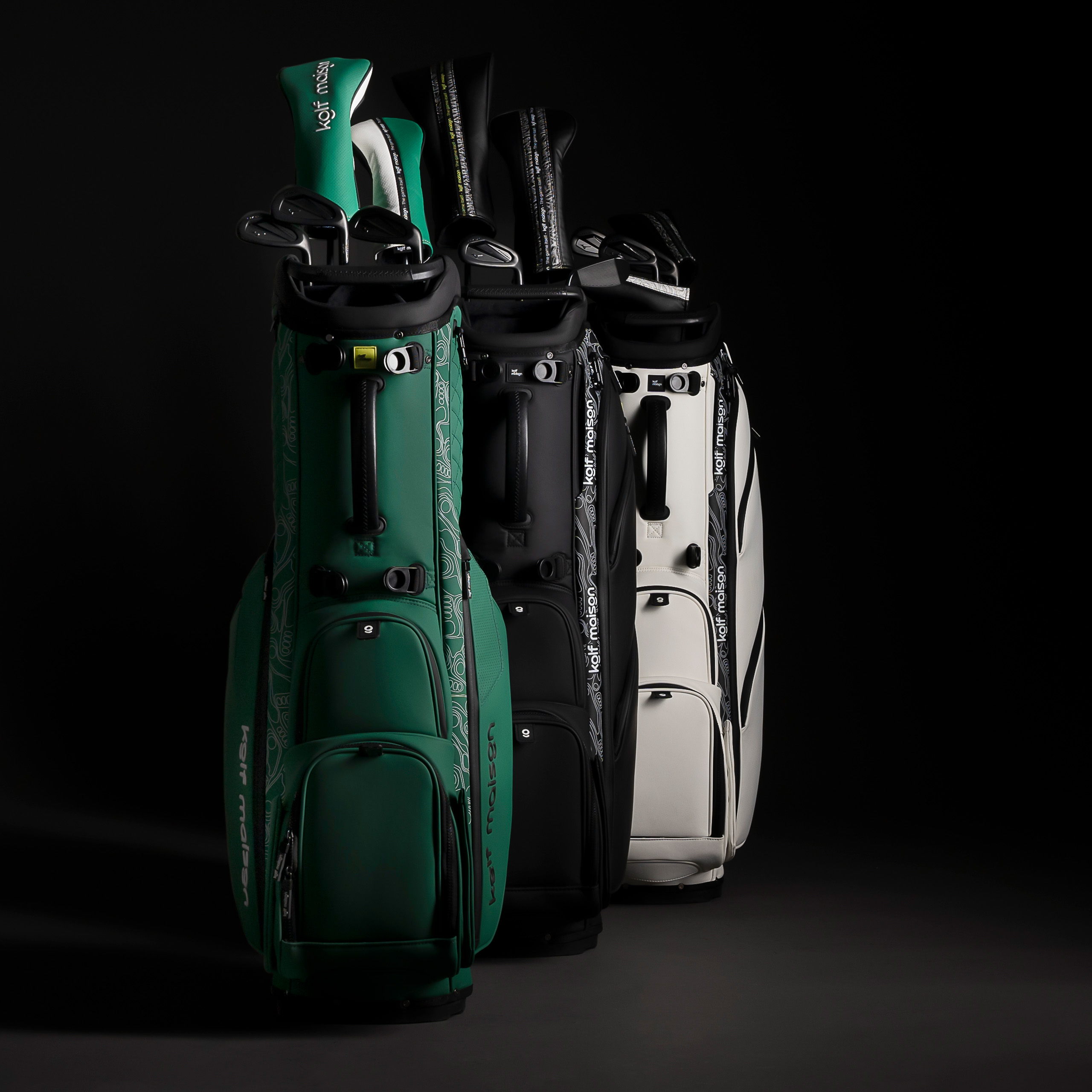
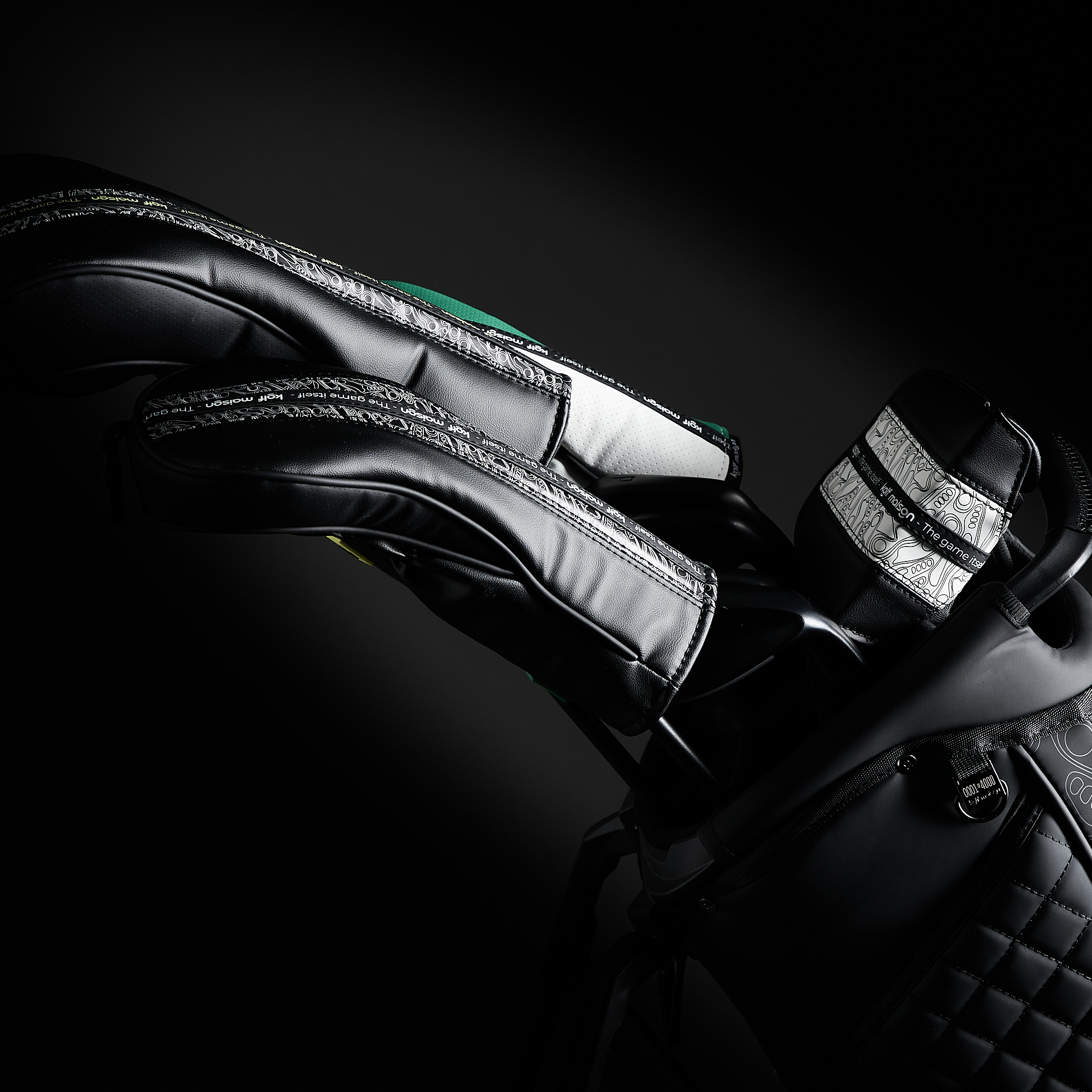
The Paganica collection is built with this universality in mind.
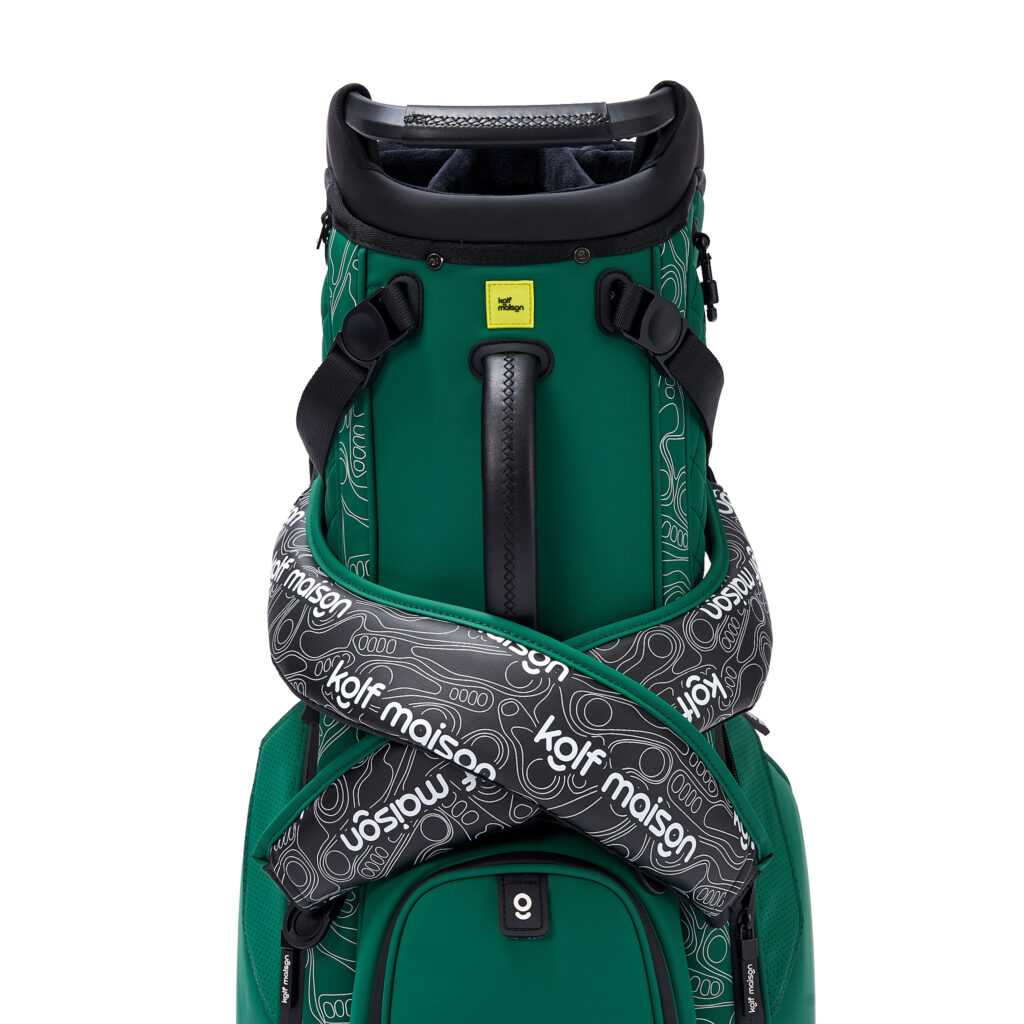
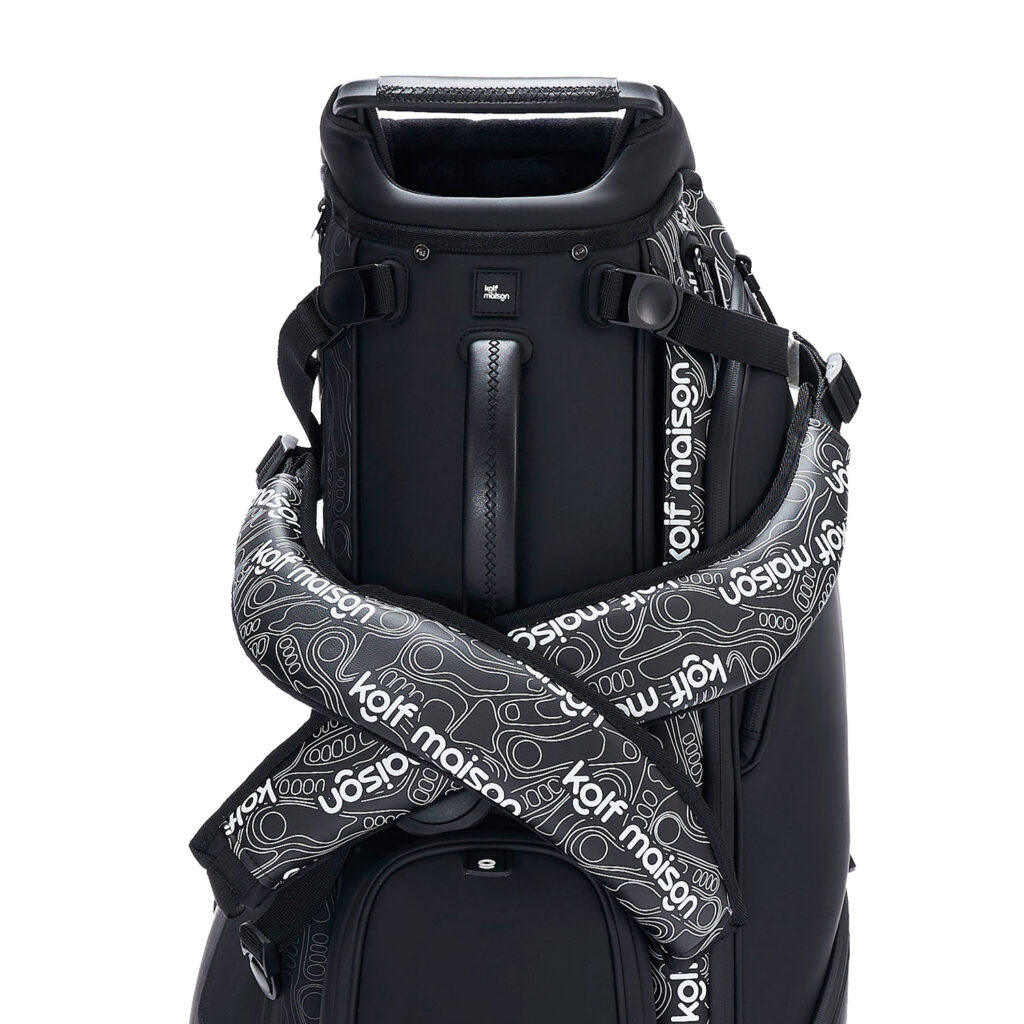
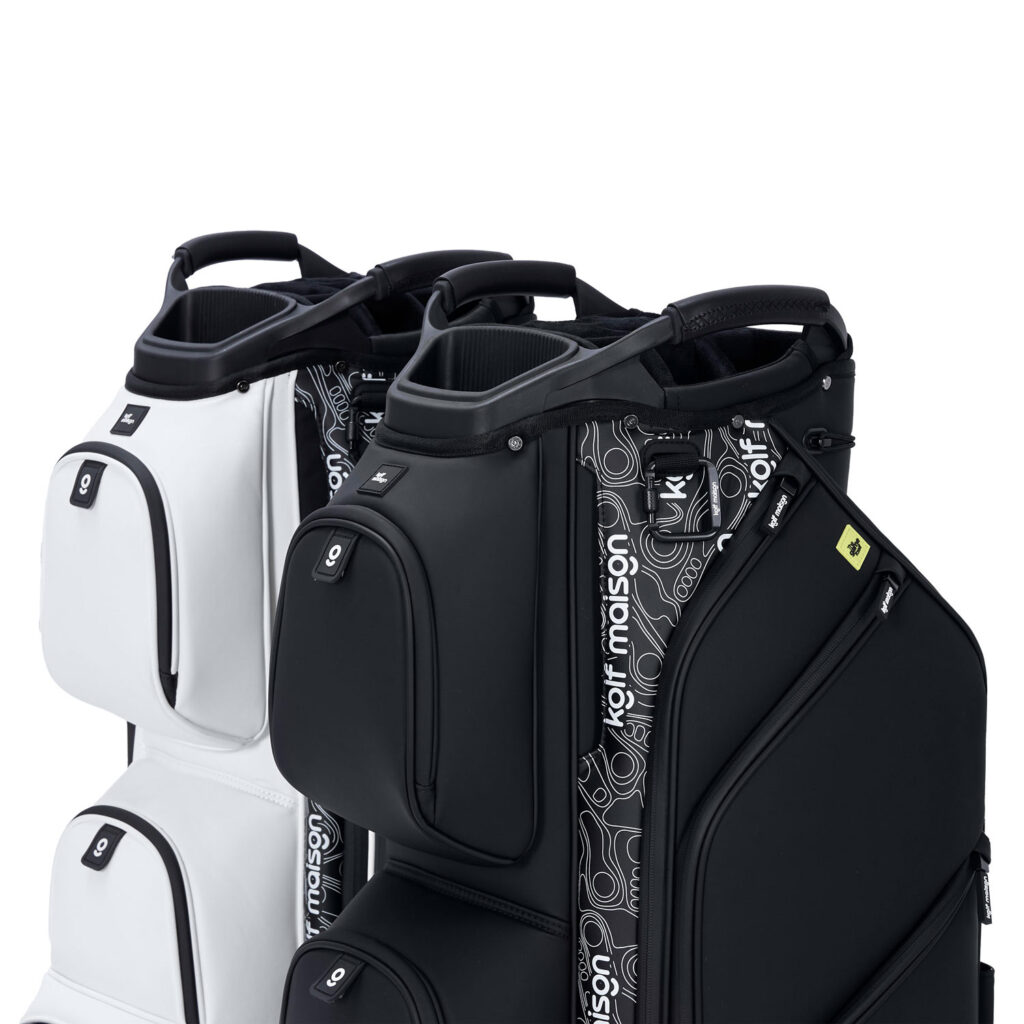
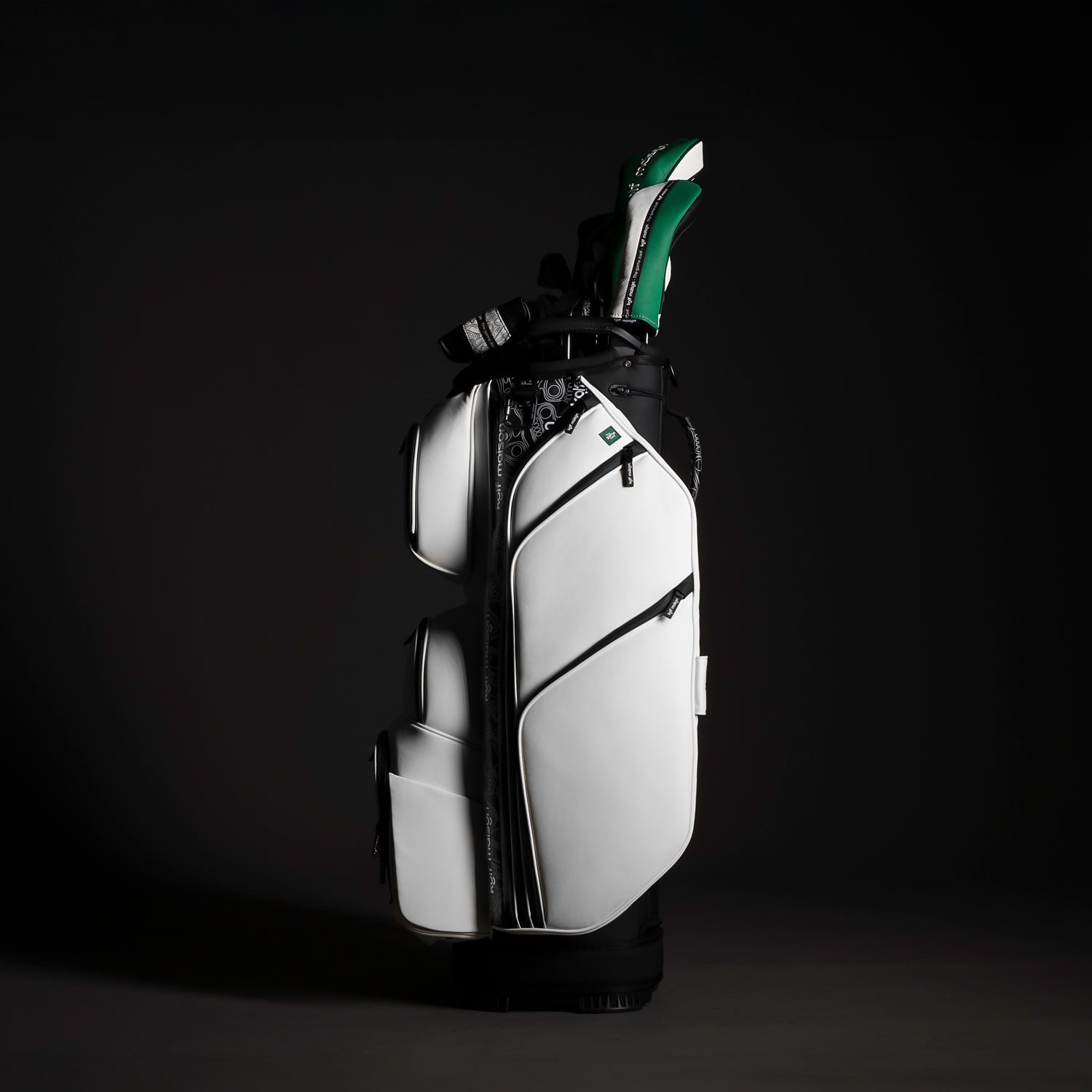
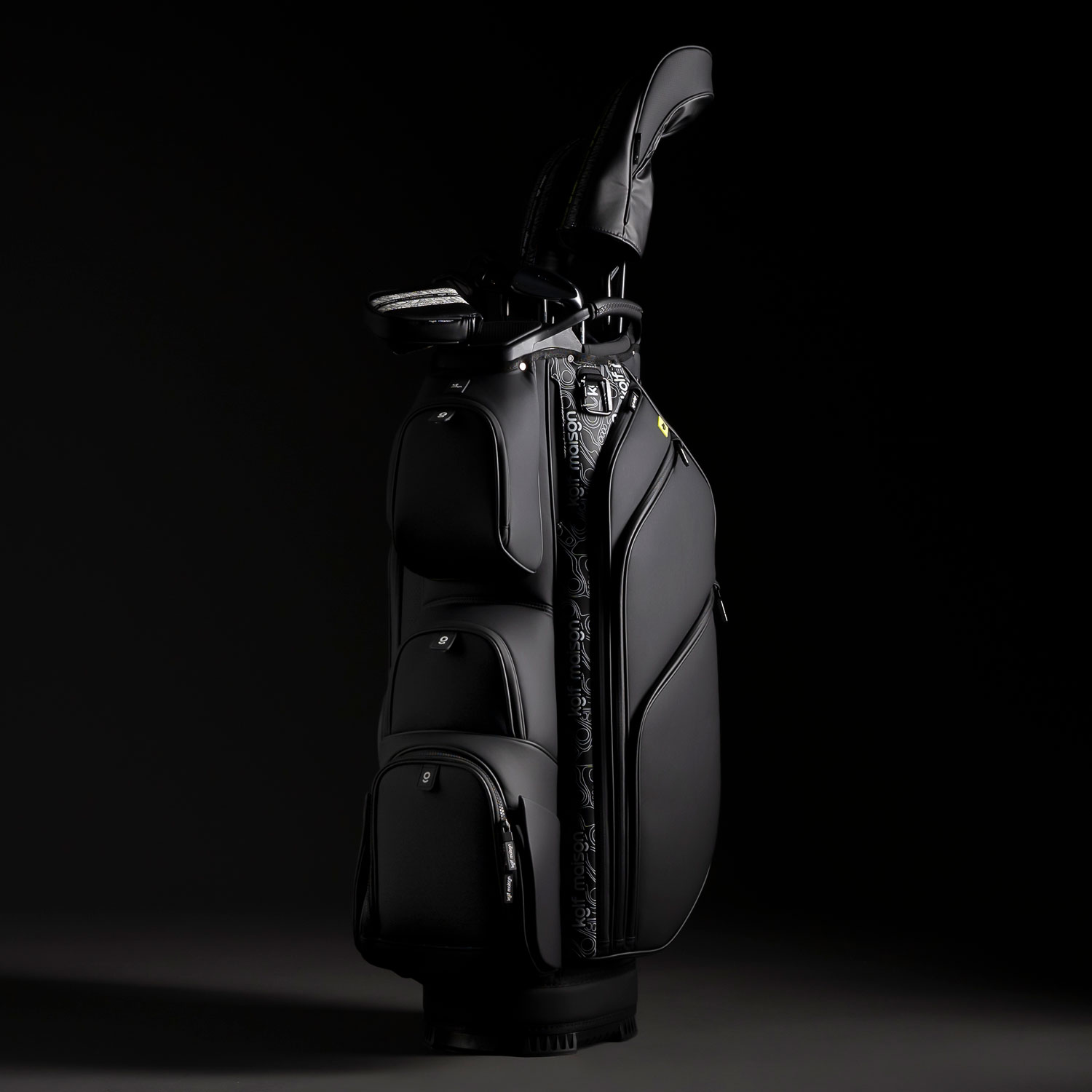
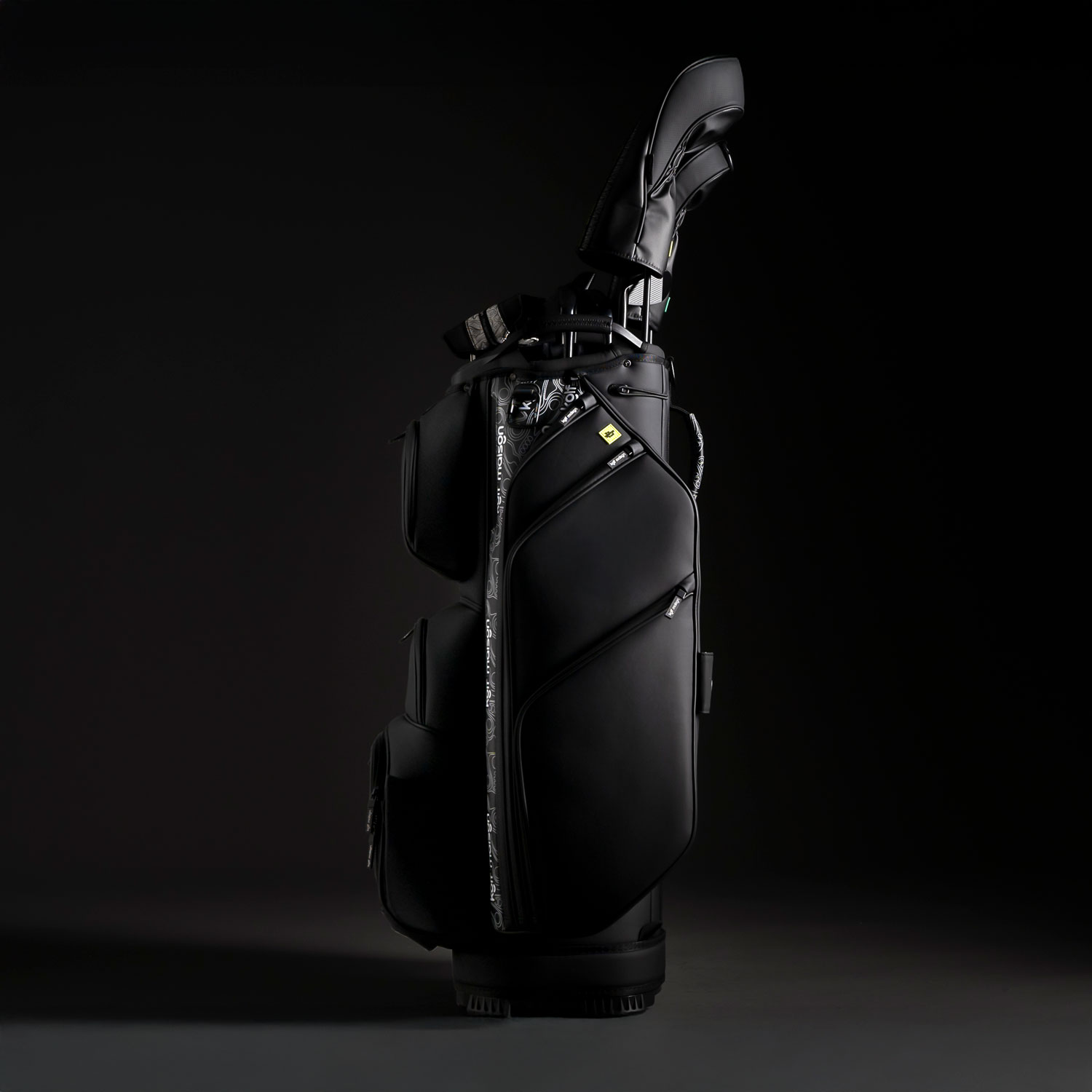
For cart play, the Paganica Cart Bag Obsidian Edge integrates reinforced strap pass through systems without disturbing silhouette.
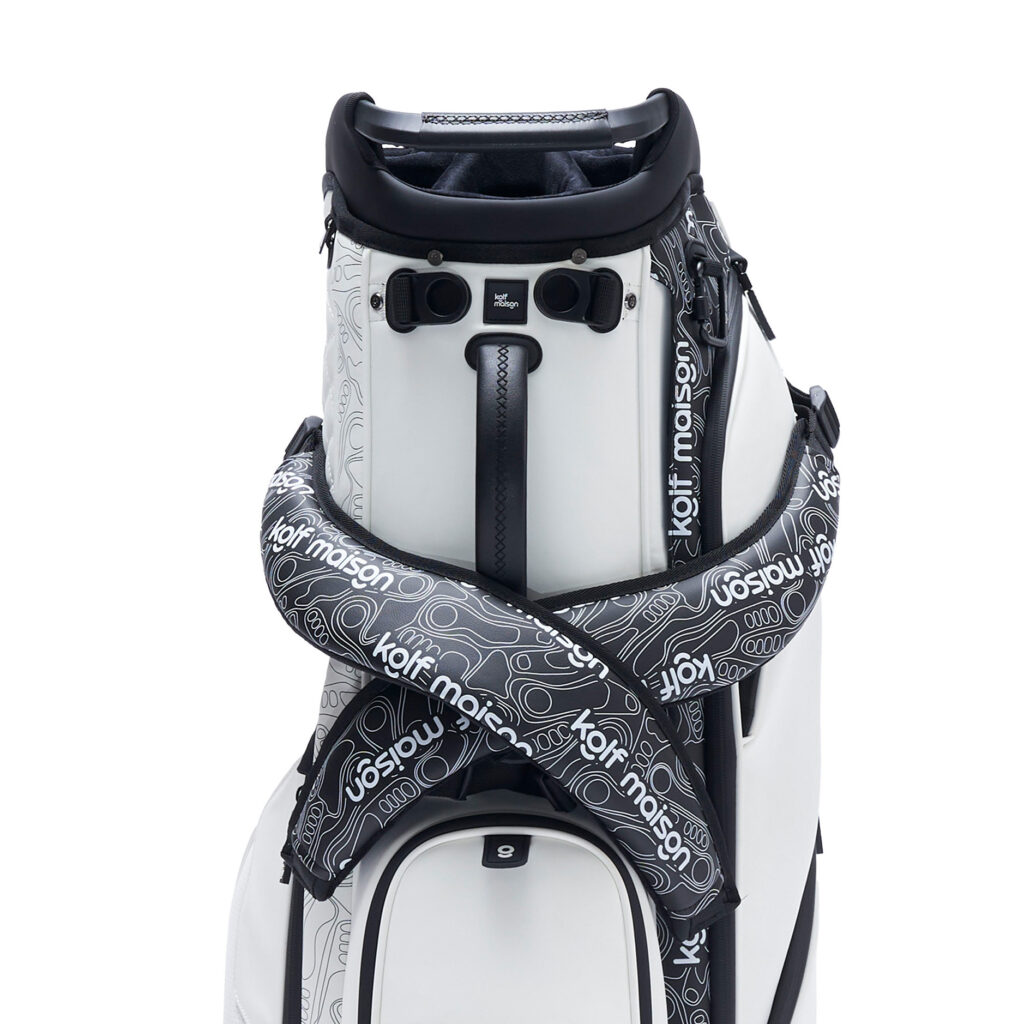
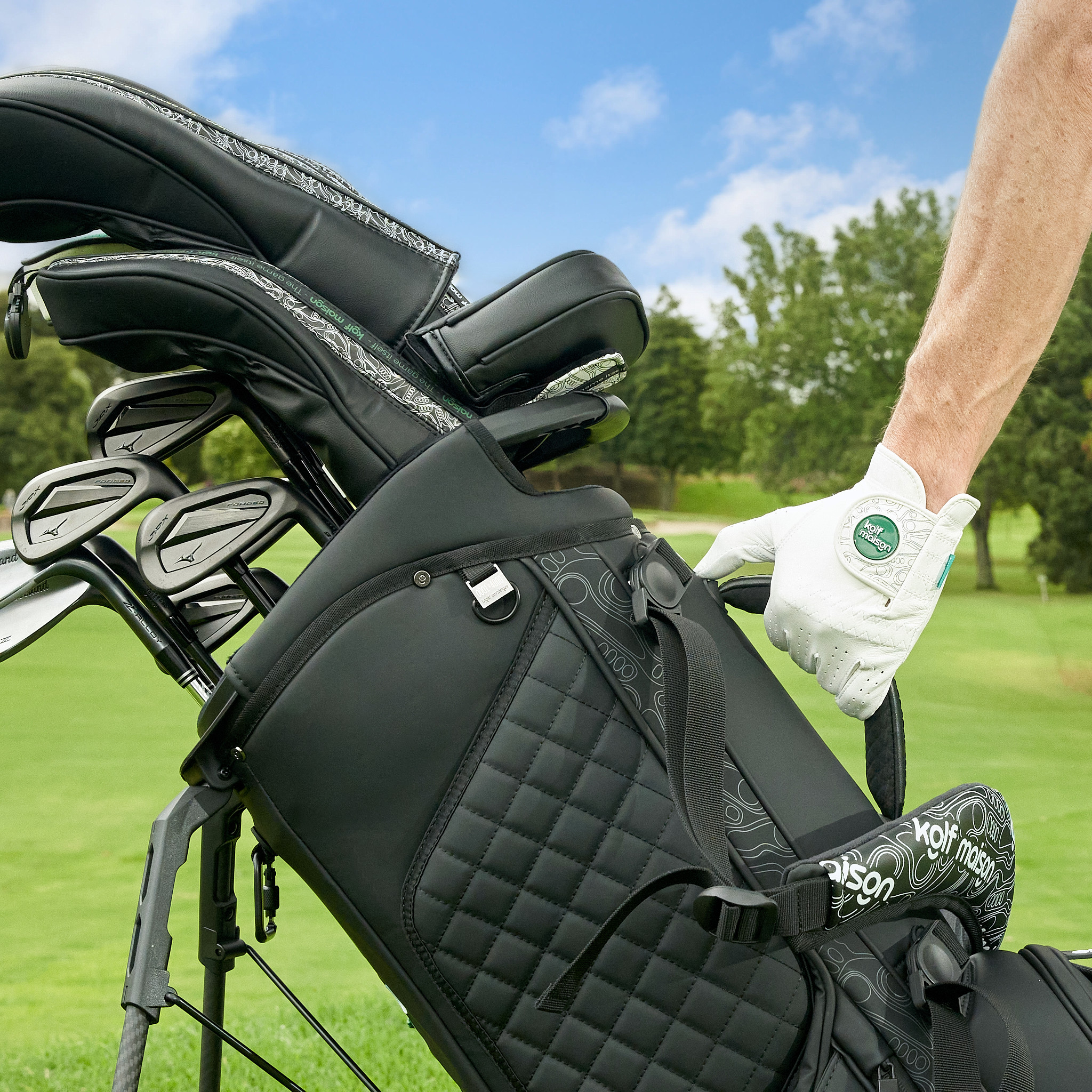
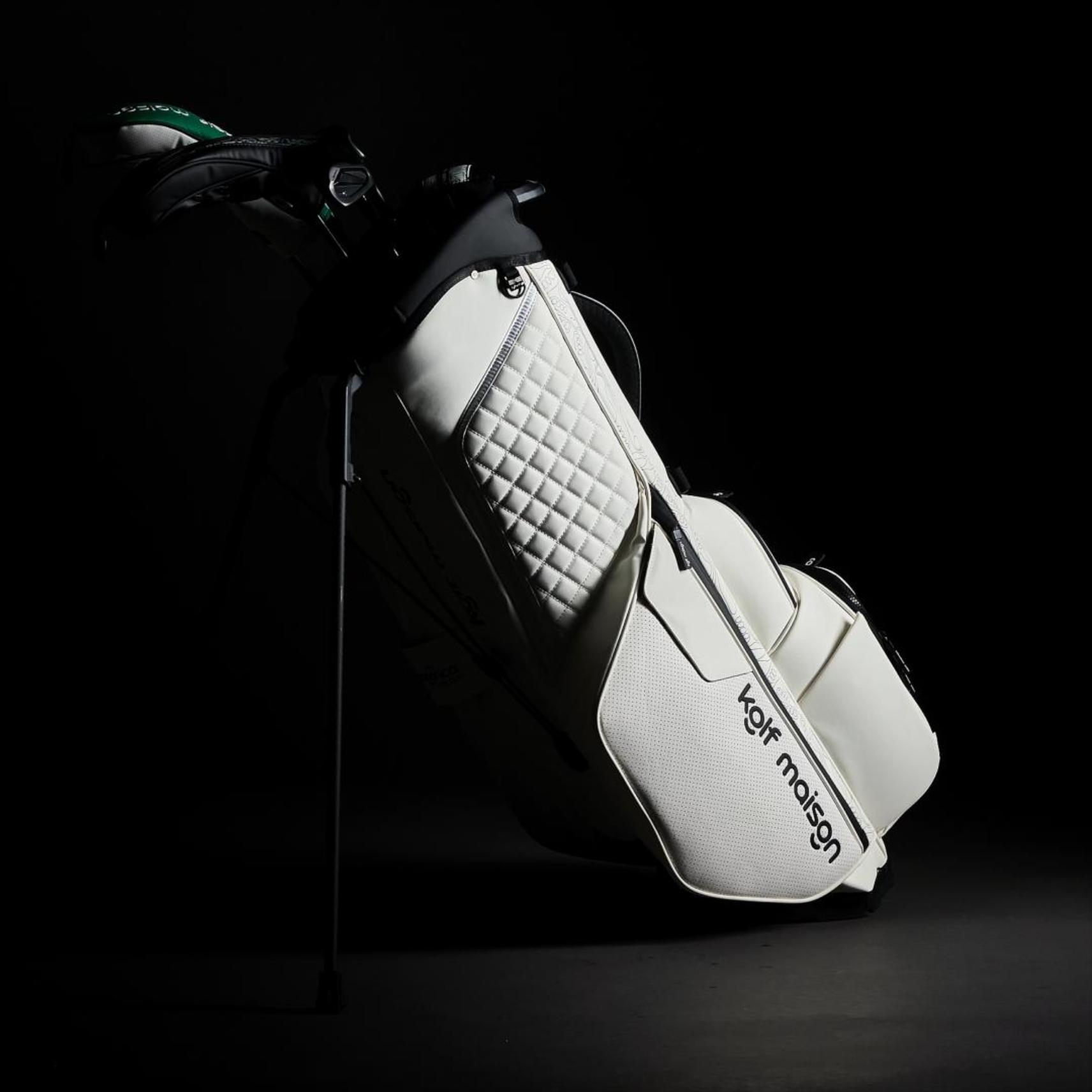
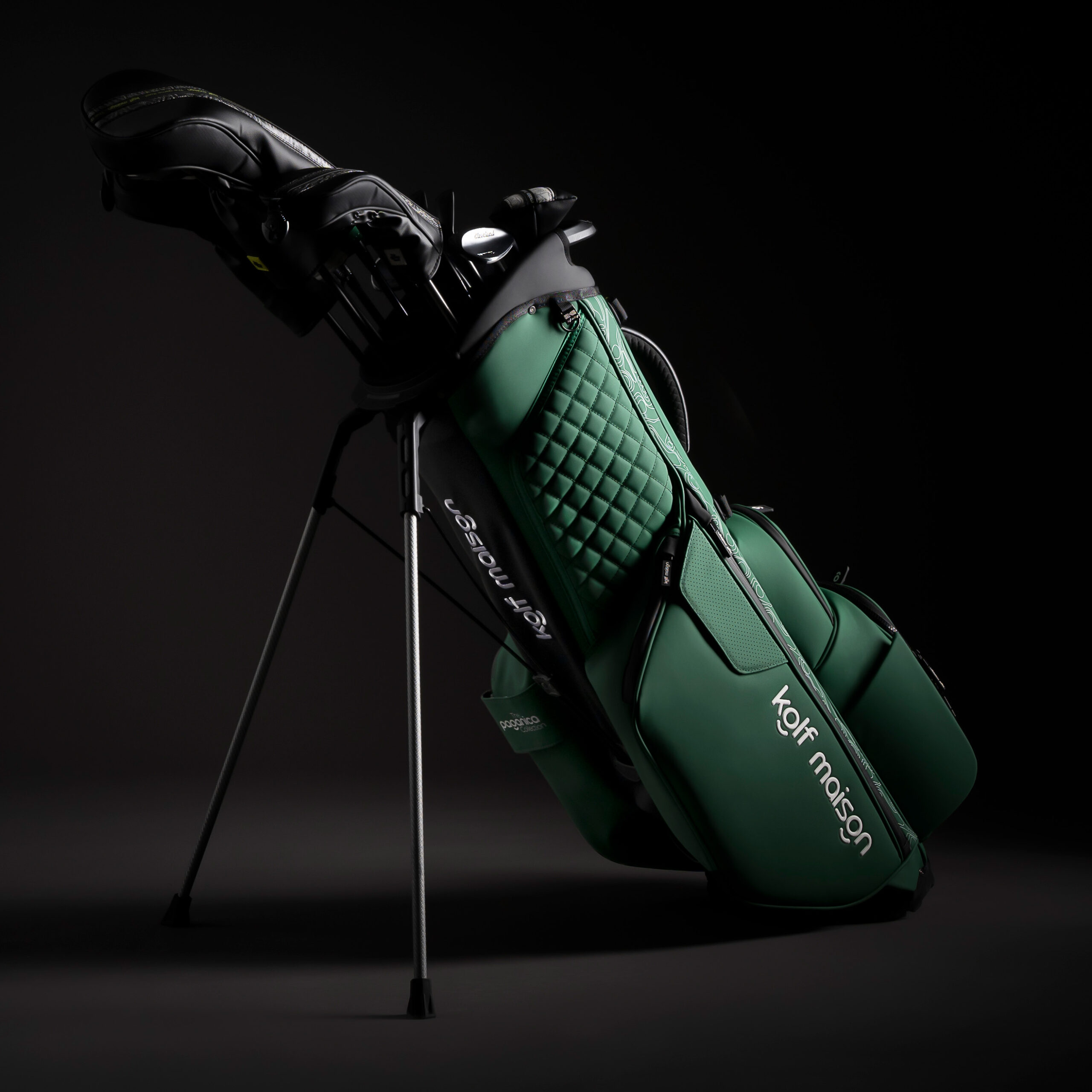
For walking, the Paganica Stand Bag Blanc Prestige applies the same design discipline in a carry focused form.
Travel Is Where Design Is Proven
Travel exposes weak design faster than play.
Handles strain. Panels compress. Zippers fail.
Well designed bags anticipate movement.
Many owners protect structure further with the Aura Travel Bag, preserving integrity during transit.
Why Considered Design Eliminates the Need for Replacement
Golfers replace bags when something stops feeling right.
Design failures create that feeling.
When a bag is designed correctly, replacement anxiety disappears.
Familiarity deepens. Confidence grows.
This is why considered design ends the search.
Design Is a Form of Respect
Design respects the golfer.
It assumes they will notice imbalance. It assumes they will feel fatigue. It assumes they will value calm.
Feature driven products assume the opposite.
Kolf Maison designs for golfers who play often enough to feel the difference.
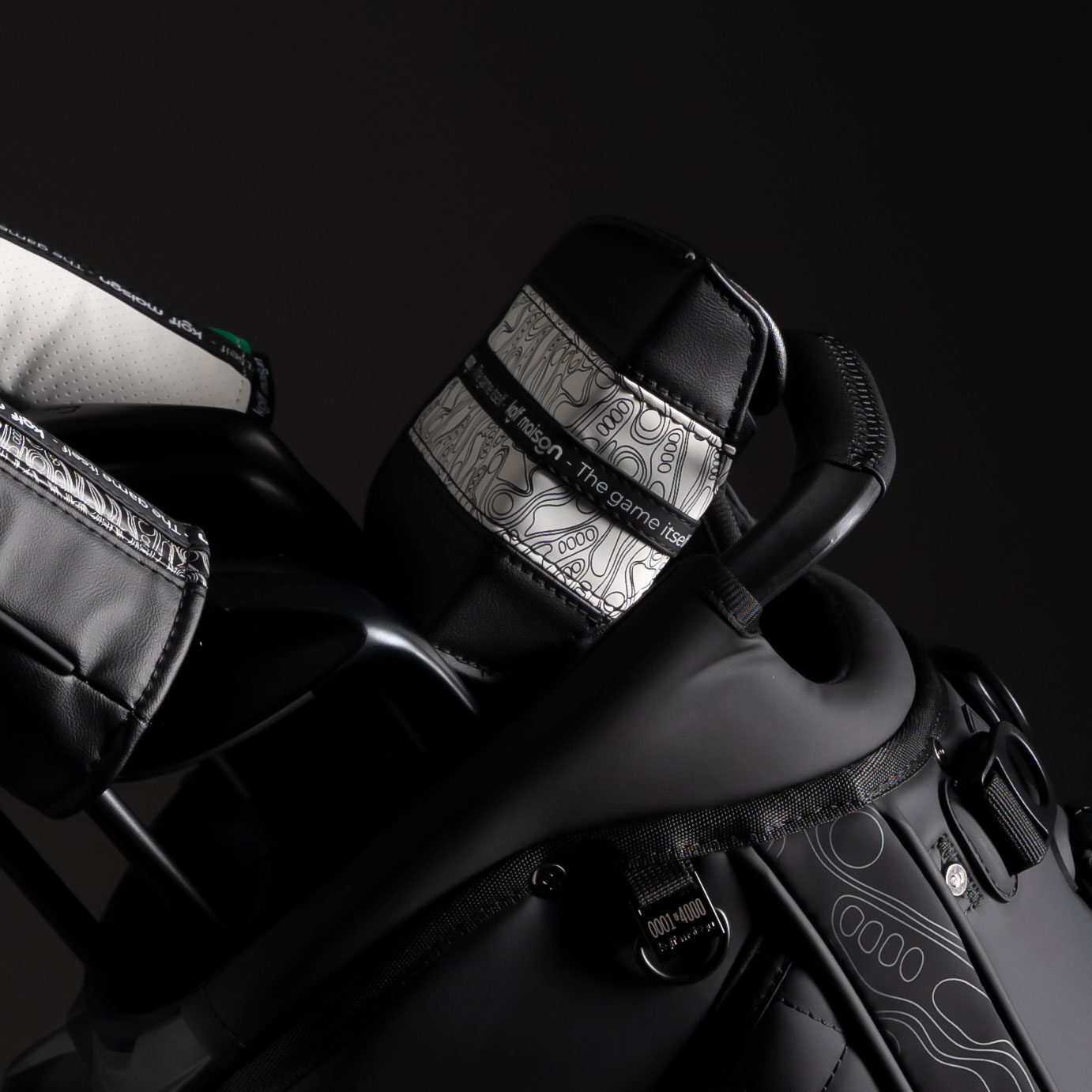
Production is intentionally limited to 4,000 bags per model per color annually. Each bag is individually assembled and serial numbered.
This discipline allows design standards to remain uncompromised.
The philosophy behind this approach is articulated through Reserved for a Few.
Why Design Always Wins Over Time
Features age quickly.
Design endures.
A bag chosen for features feels outdated when trends shift.
A bag chosen for design remains correct.
This difference becomes obvious after seasons rather than months.
The Best Golf Bags Feel Simple Because They Are Complex Where It Matters
Great design hides complexity.
It solves problems before they appear.
The result feels effortless.
This effortlessness is often mistaken for simplicity.
In reality, it is the result of hundreds of disciplined decisions.
Why Serious Golfers Choose Design First
Serious golfers do not ask how many features a bag has.
They ask how it feels after a full round. After a season. After travel.
They choose design because design respects time.
In a market crowded with promises, design remains the only promise that matters.
Design Is the Quiet Advantage
Quiet advantages win golf rounds.
Less fatigue. More focus. Greater consistency.
A well designed golf bag contributes to all three.
This is why design matters more than features.
And why once experienced, feature lists feel irrelevant.