Why Expensive Golf Bags Are Not Always Luxury
In golf, price is often mistaken for proof. A higher number on a tag is assumed to represent better materials, superior performance, or deeper craftsmanship. Yet, any golfer who has owned multiple bags over time knows the truth is more complicated: expensive does not automatically mean luxurious. In many cases, it represents nothing more than amplified marketing and seasonal hype. Luxury is not defined by cost; it is defined by coherence—how a product is conceived, built, and allowed to exist over time.
An expensive golf bag can still be poorly balanced, short-lived, or dependent on novelty to justify its existence. True luxury never needs to explain its price because the experience of using it delivers immediate certainty. This article examines the architectural and philosophical differences that separate mere cost from lasting value in serious golf equipment.
Price Is an Outcome, Not a Qualification
Many brands begin with a target price and design backward. Materials are selected to meet margin goals, features are added to justify the number, and branding is elevated to signal status. This produces expensive products, not considered ones. Luxury design works in the opposite direction. It begins with standards: How must this feel after years of use? What structural compromises are unacceptable? Only after those questions are answered does the price emerge. When price leads the process, the result is often impressive in a showroom but disappointing after fifty rounds.
The Illusion of “Premium” Materials
Expensive bags often rely on the surface appearance of luxury rather than technical behavior. Surfaces may look refined under showroom lighting but lose their structure, crease, or deforms quickly under the weight of fourteen clubs. True luxury materials, such as our Premium Matte Microfiber, are chosen for resistance. They hold their geometry, tolerate repetition, and respond predictably under stress. If a bag looks exceptional on day one but degrades noticeably within a single season, it was never truly luxurious—it was merely presentation without endurance.
Feature Inflation vs. Functional Discipline
One of the clearest signs of “false luxury” is feature overload. Extra pockets, complex mechanisms, and decorative additions promise convenience but often introduce weight, imbalance, and fragility. These elements create perceived value for a quick sale but rarely age well. Luxury design removes friction instead of adding options. Every element must earn its place through utility. At Kolf Maison, we believe that when a bag requires constant explanation to justify its price, it is usually compensating for a lack of structural integrity.
Loud Branding Does Not Equal Authority
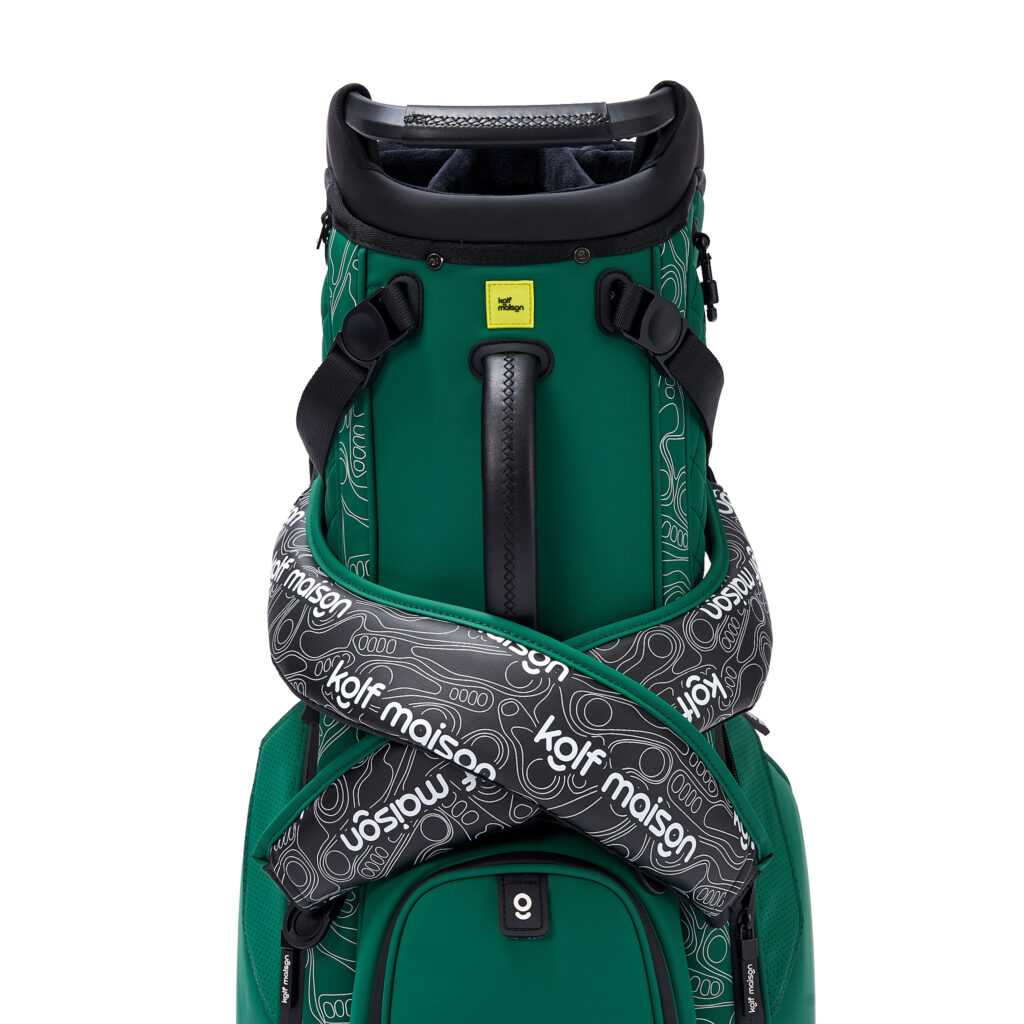
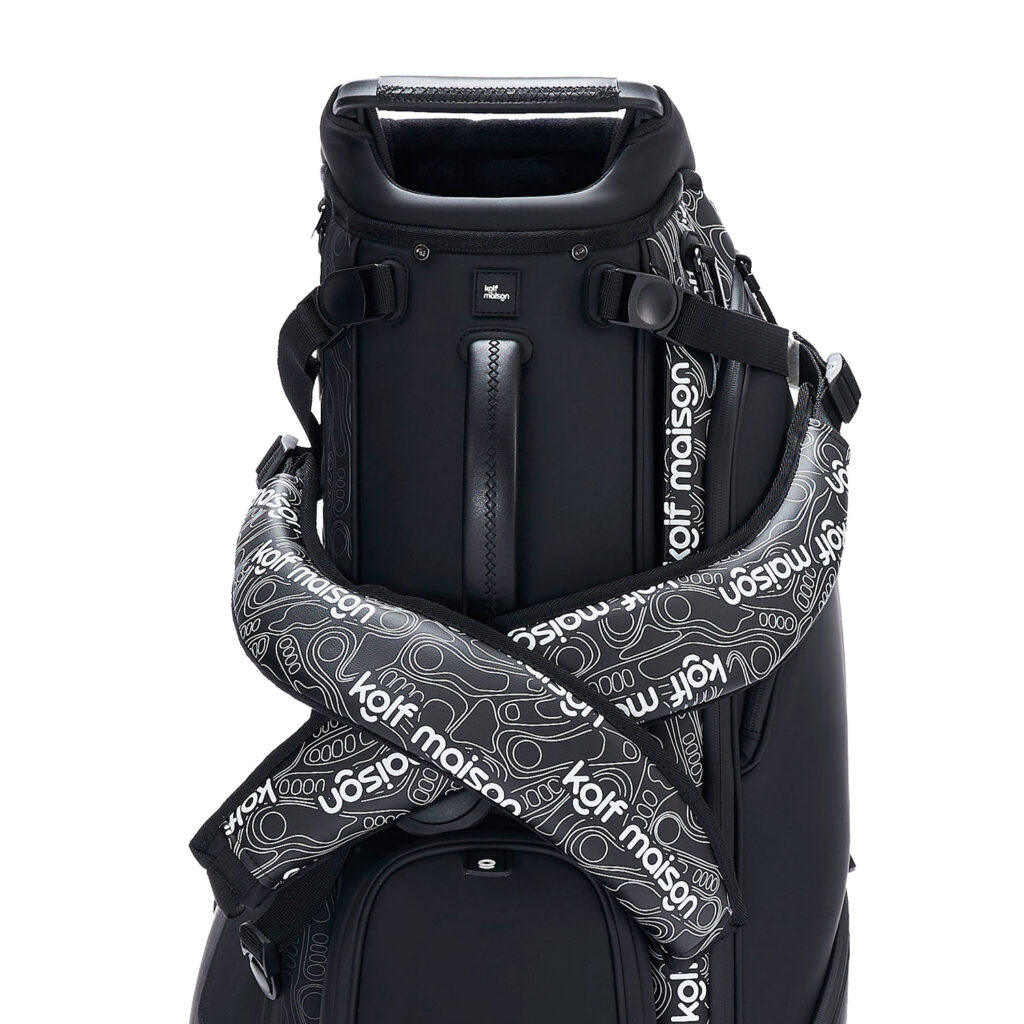
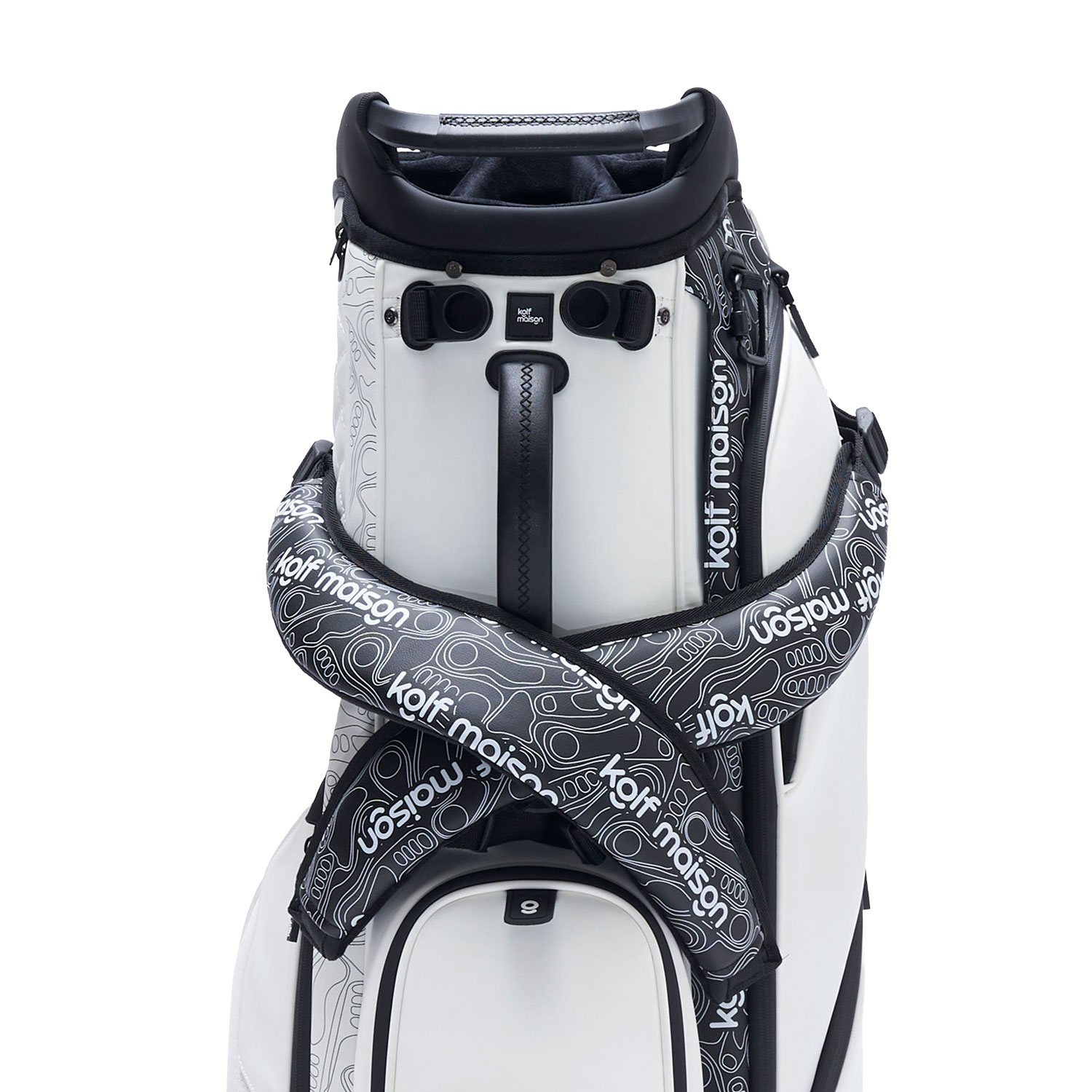
Many expensive bags rely on oversized logos and high-contrast graphics to signal worth. This assumes that luxury must be loud to be validated. In golf, this often backfires. Serious golfers value restraint; they recognize quality through proportion and feel. Loud branding introduces visual noise into a game built on concentration. True luxury trusts the intelligence of the owner to recognize excellence without amplification.
Longevity Reveals the Truth
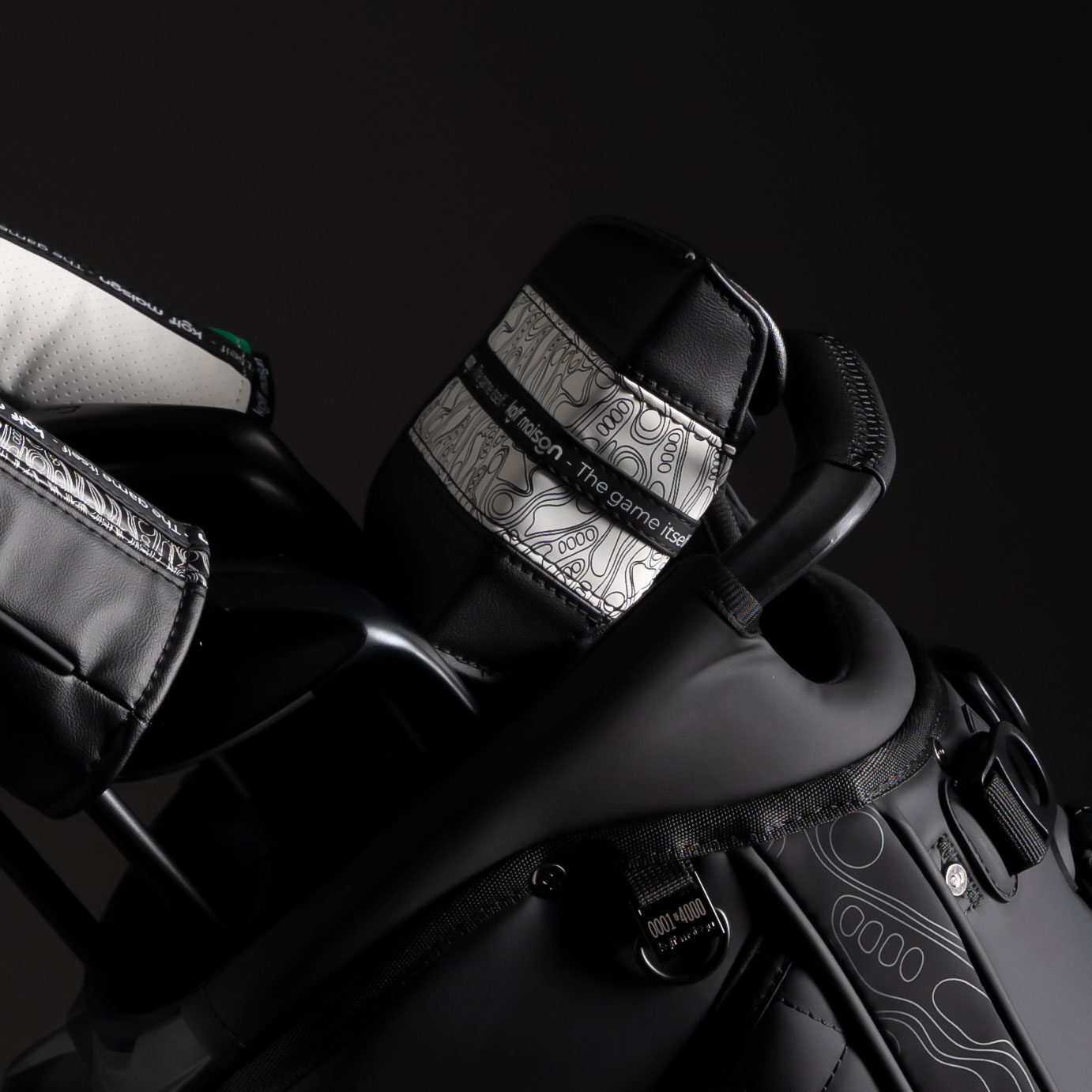
The most reliable test of luxury is time. Does the bag still feel composed after a year of international travel? Does the balance remain consistent? Many expensive bags are designed for short-term excitement and assume replacement within a cycle. Luxury bags are designed to remain correct. This philosophy is why each Kolf Maison bag is produced in limited quantities and serial numbered—to reinforce permanence over turnover. This discipline is explored further in our Reserved for a Few manifesto.
Structure Over Style
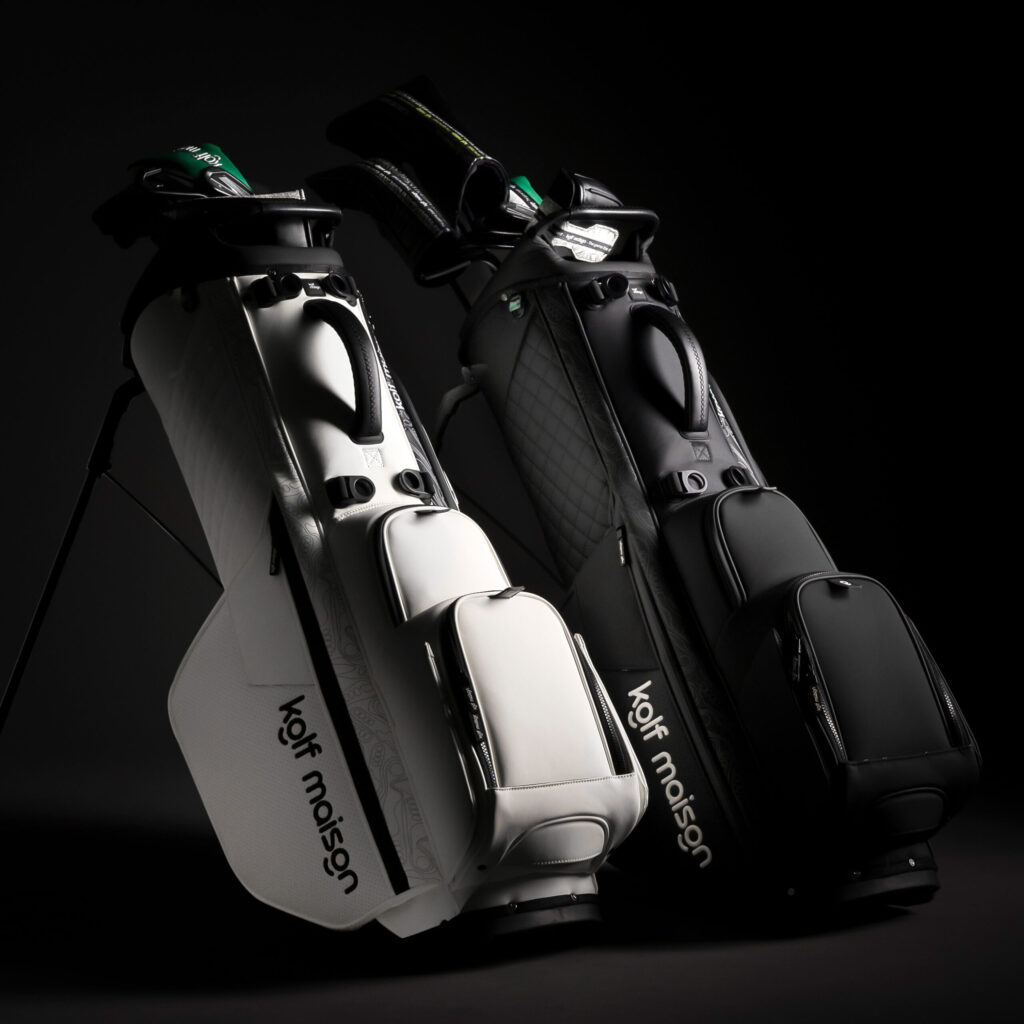
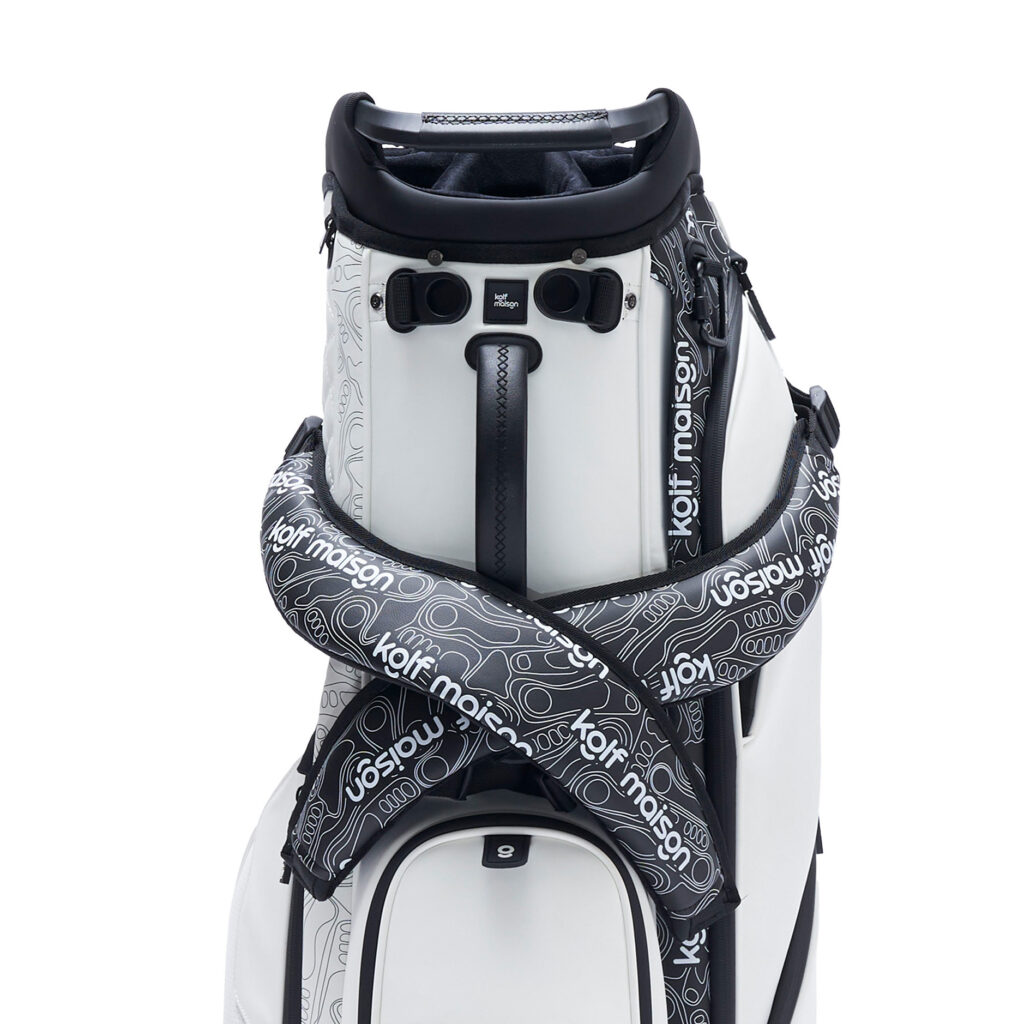
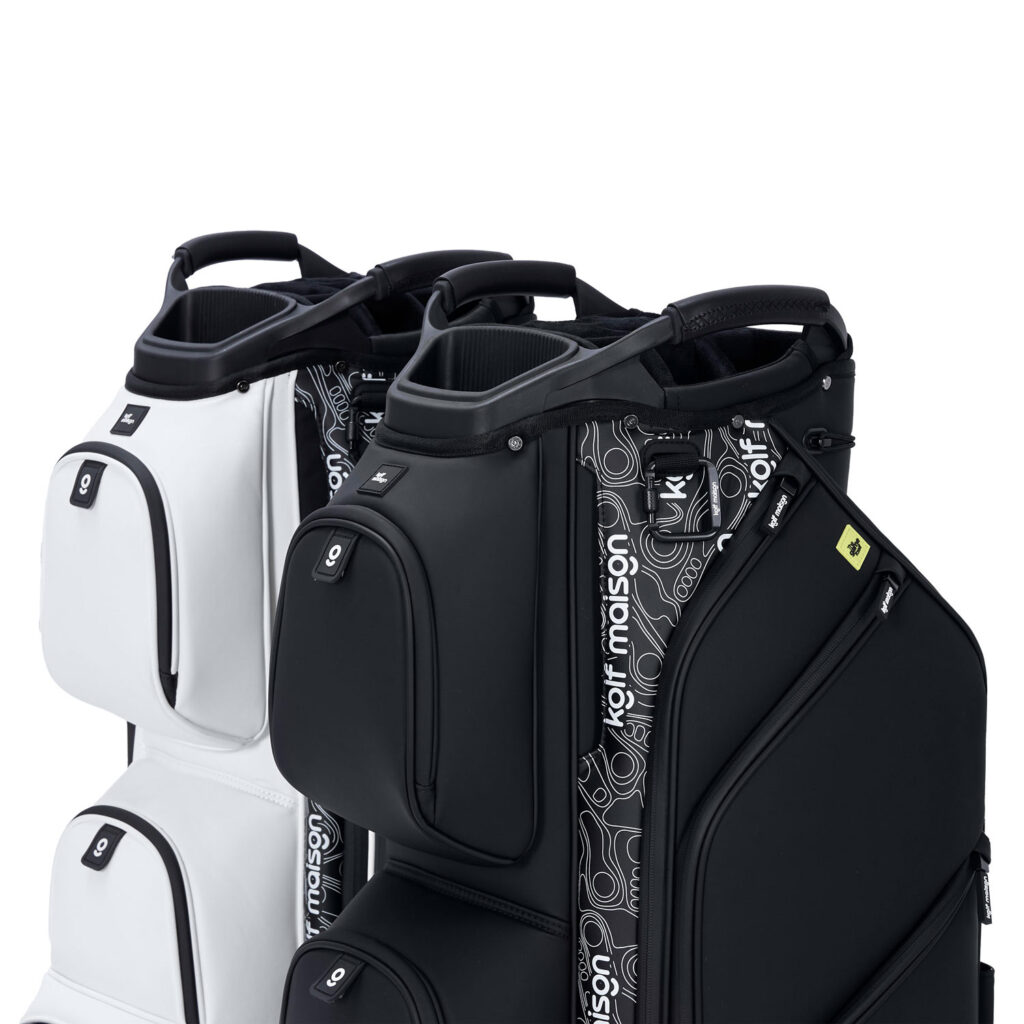
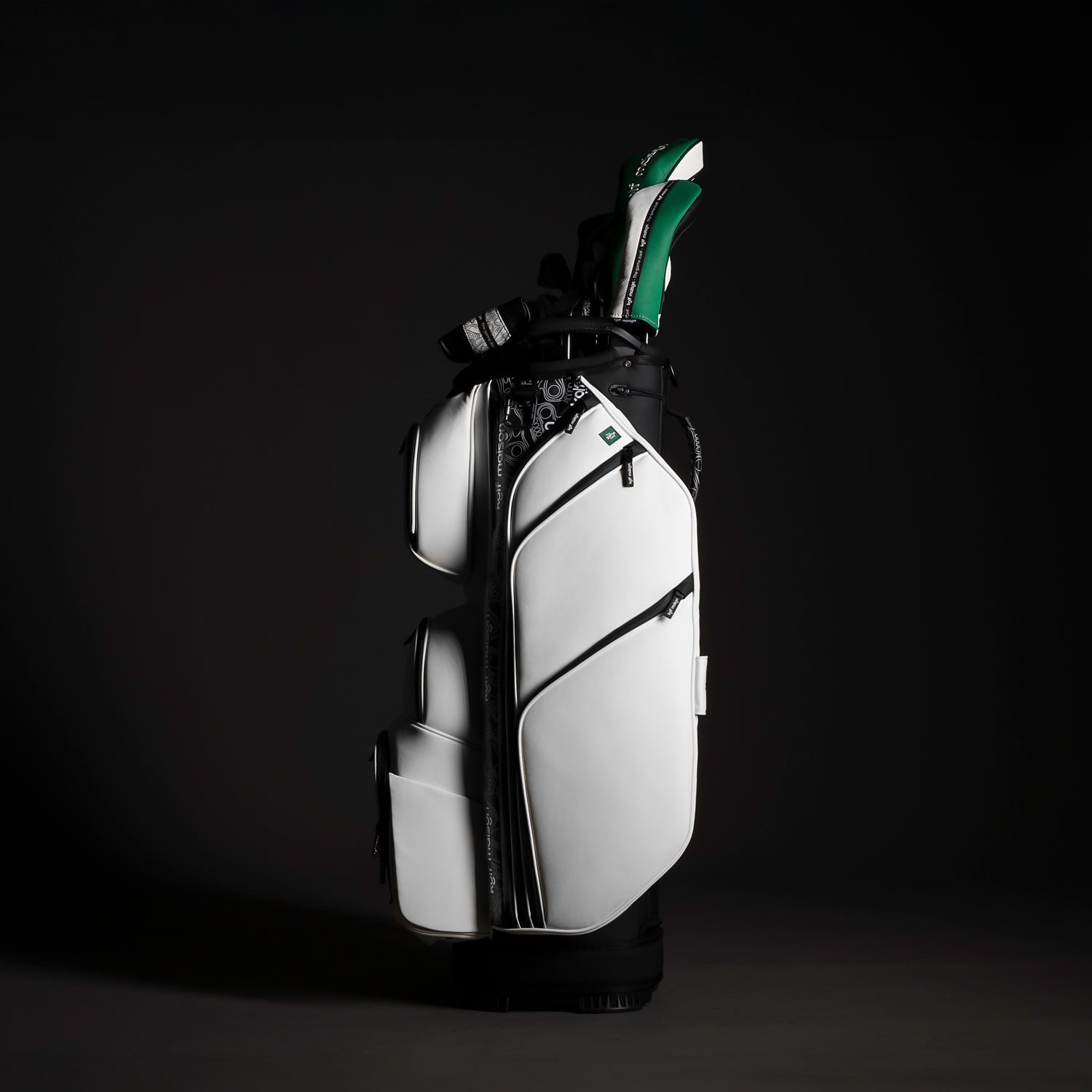
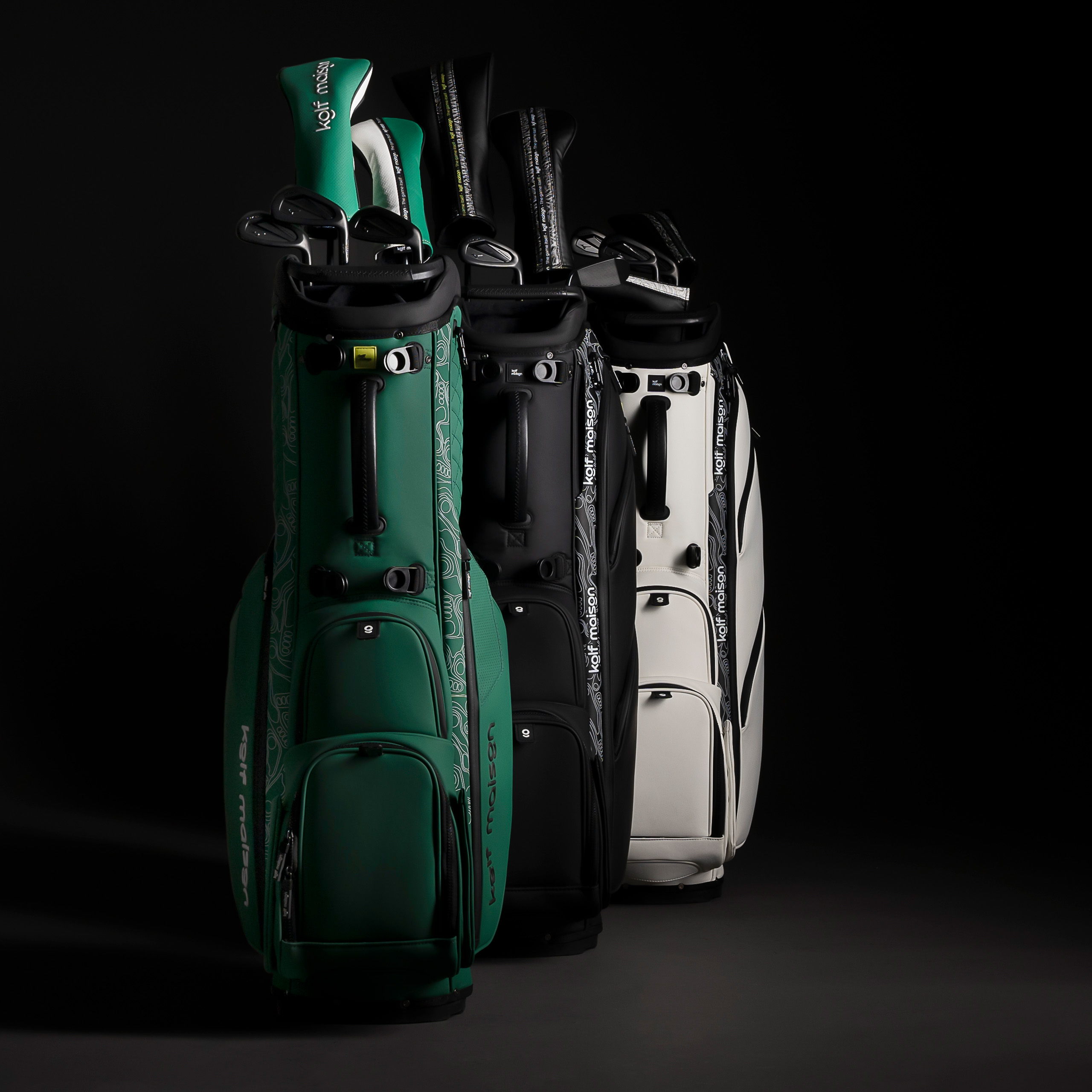
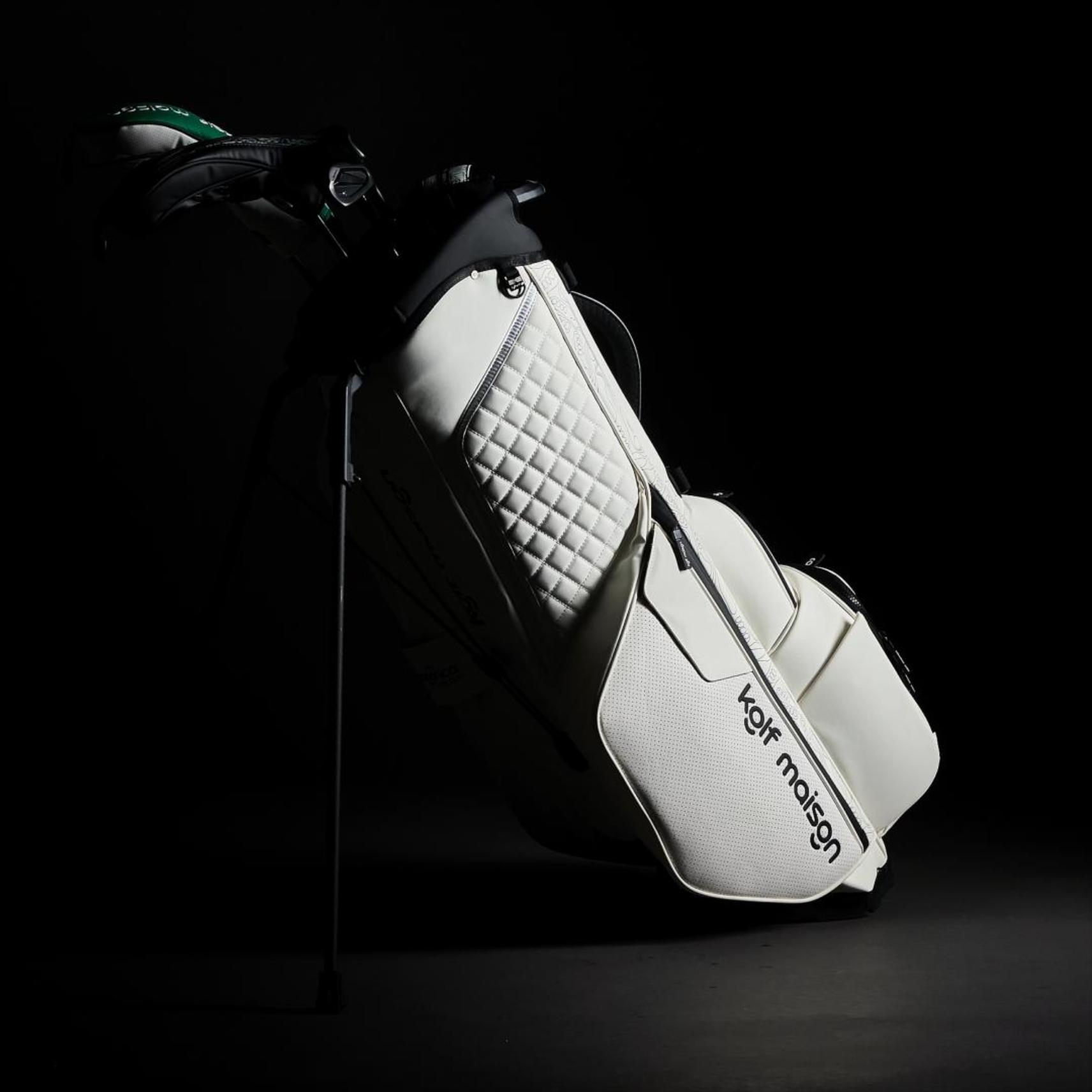
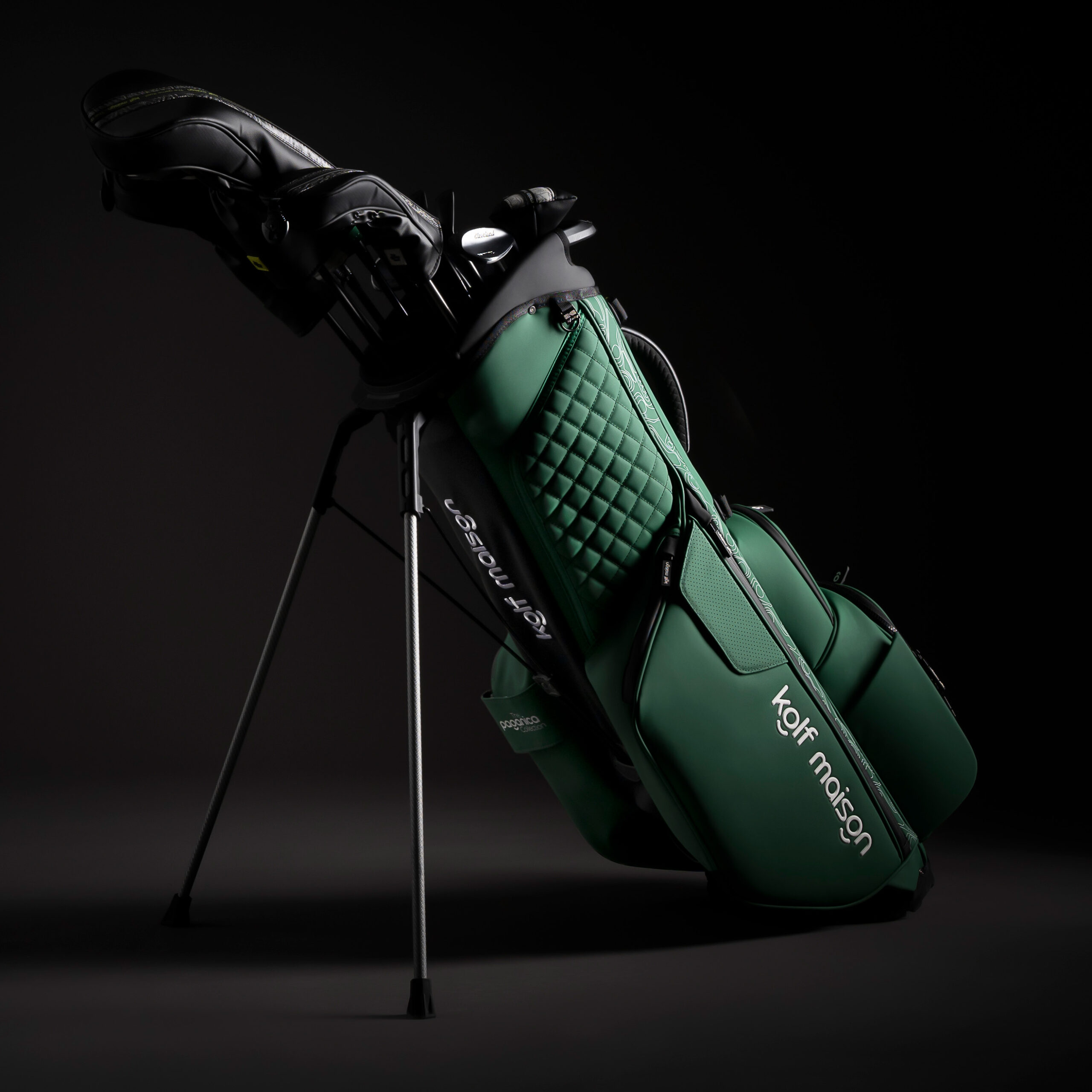
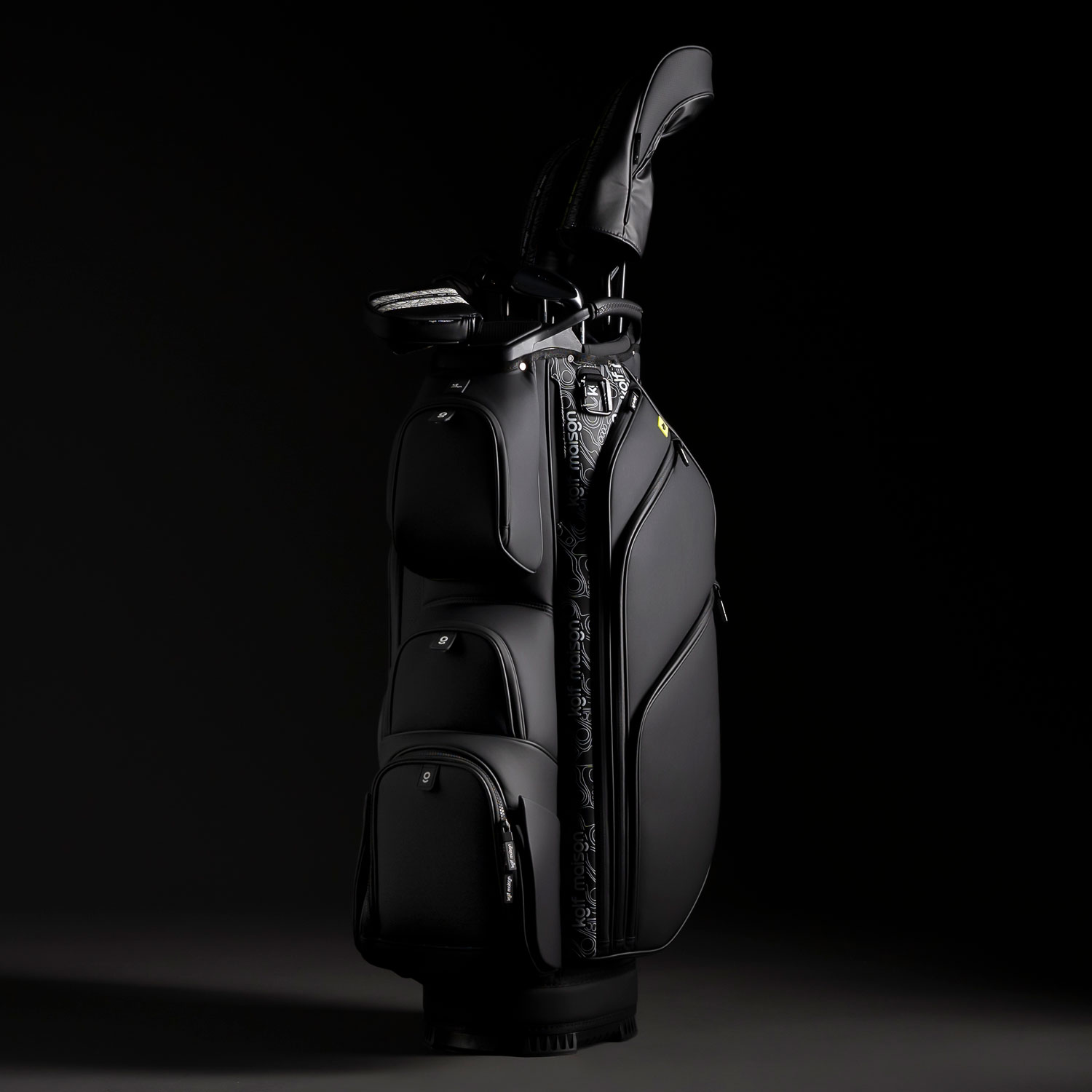
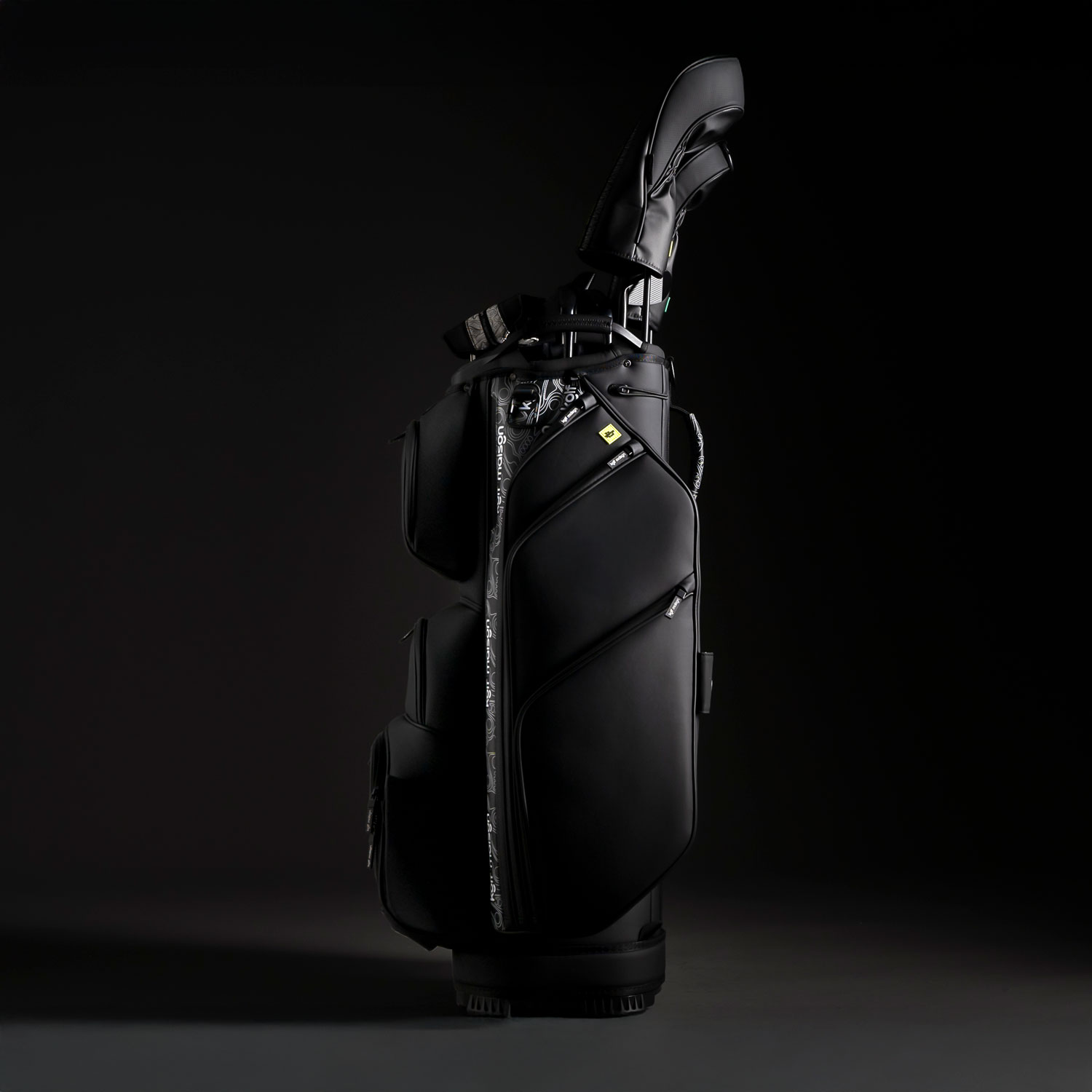
Style captures attention; structure sustains performance. A luxury bag must maintain its architecture under real conditions: full club loads, cart strap pressure, and environmental exposure. Structure is invisible when done correctly, but you notice its absence the moment a bag begins to sag. Our Paganica line reflects this architectural priority. For riders, the Paganica Cart Bag Blanc Prestige offers elegance without structural compromise. For walkers, the Paganica Stand Bag Obsidian Edge delivers the same discipline in a carry-focused form.
The Absence of Justification
An expensive golf bag often asks to be justified through marketing hype. A luxury golf bag simply performs—quietly, repeatedly, and without demanding attention. When a product is never discounted and never rushed into clearance, the value remains stable and the owner’s confidence remains intact. This consistency builds a level of trust that no price tag can manufacture, a sentiment echoed frequently in our Owner Reviews.
In a market filled with high prices and low patience, true luxury remains rare because it requires the discipline to prioritize excellence over expense. The difference is not subtle once experienced: one seeks validation, while the other delivers certainty.