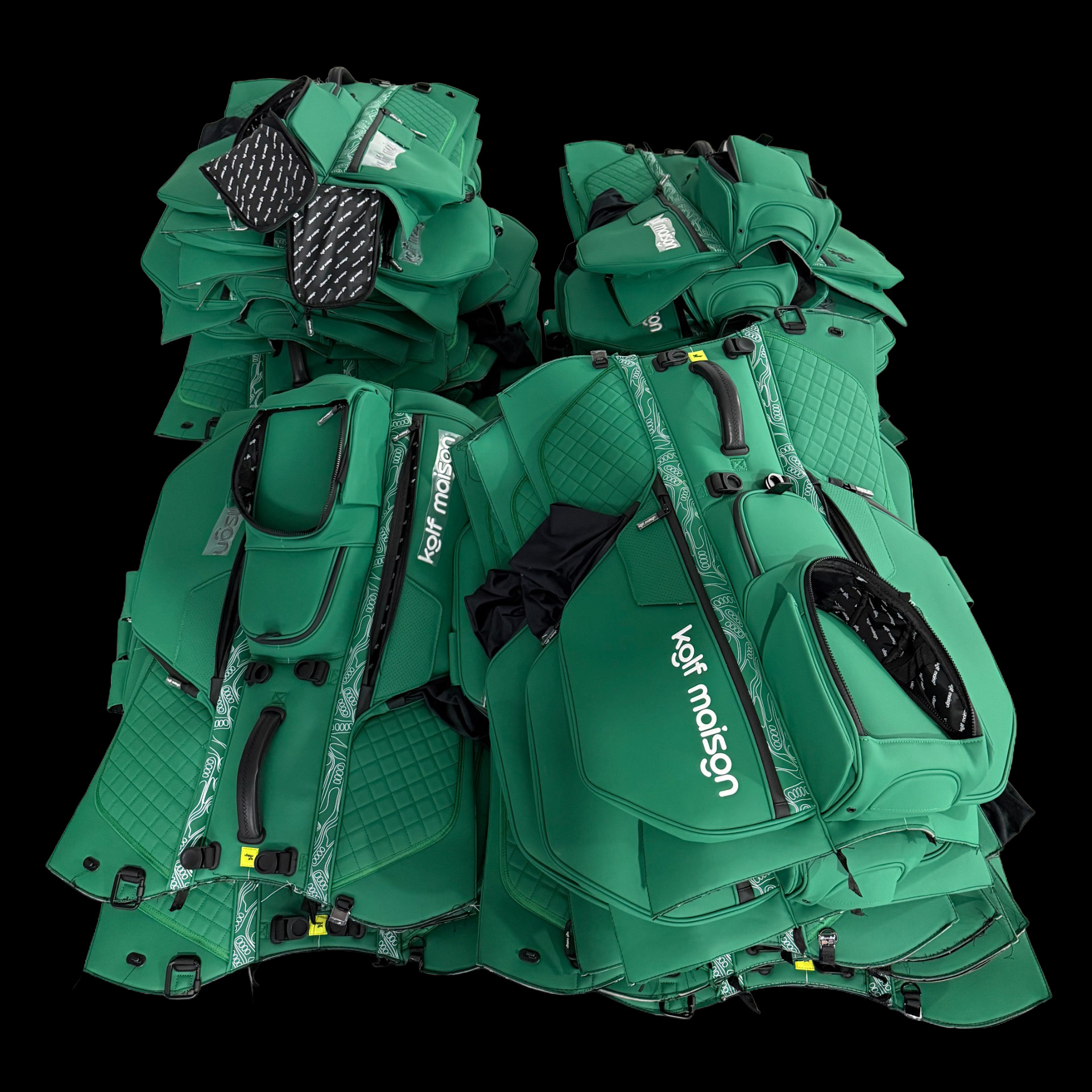
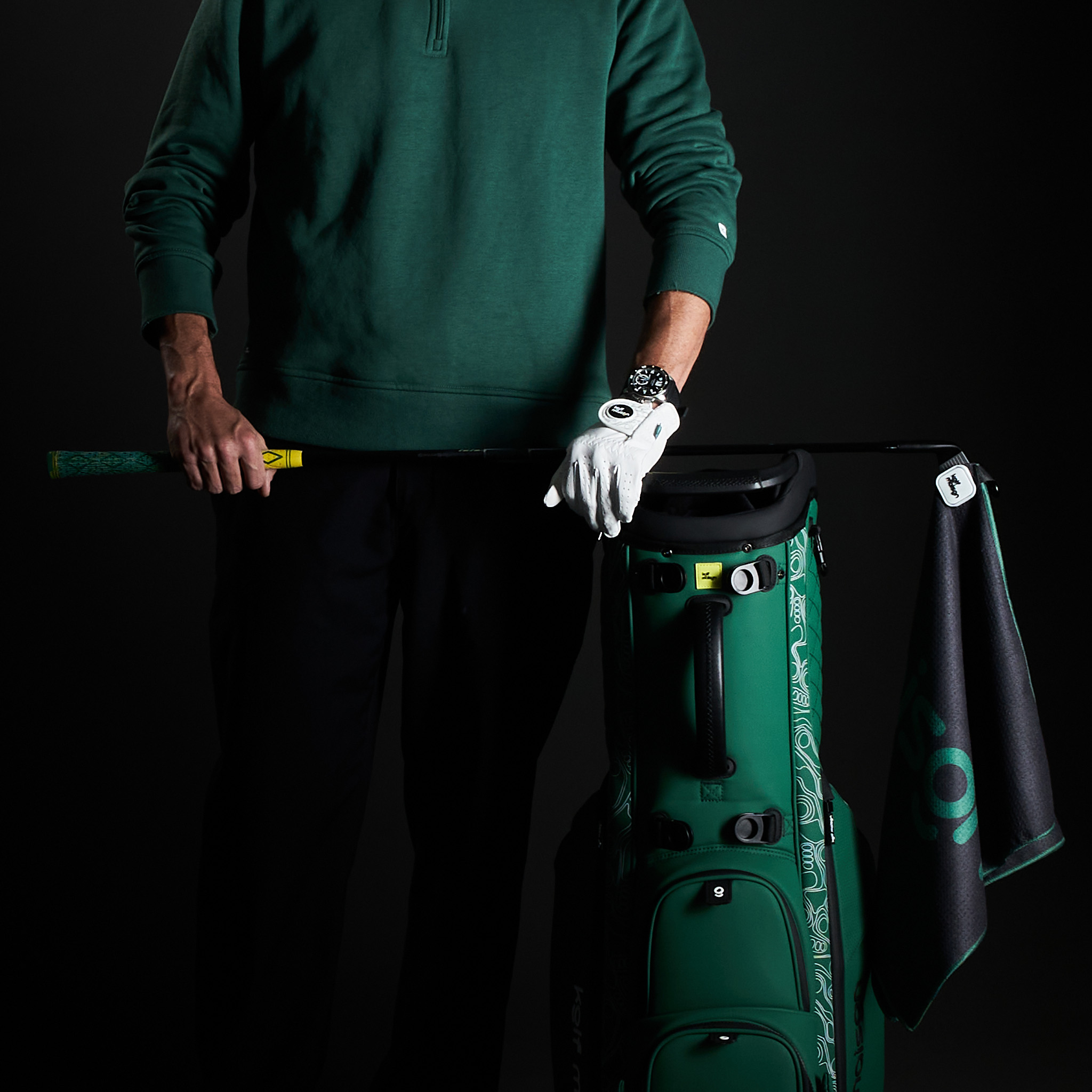
Why Craftsmanship and Clearance Cannot Coexist
Craftsmanship and clearance occupy opposite ends of the value spectrum. One is built slowly, deliberately, and with lasting consequence. The other exists to correct excess, accelerate turnover, and create artificial urgency where intention failed. In the golf industry, this tension is omnipresent. Bags marketed as “premium” appear on sale weeks later; limited editions quietly enter clearance cycles. This is not a coincidence. Craftsmanship and clearance cannot coexist because they are built on fundamentally incompatible philosophies. One respects time; the other attempts to outrun it.
This is the Kolf Maison stance: true craftsmanship never goes on sale. Clearance culture undermines trust and devalues the owner experience. We refuse to participate in a system that treats enduring architectural objects as seasonal inventory. For the connoisseur, the price of an item should be as stable as its structural integrity.
Craftsmanship Begins With Permanence
Craftsmanship assumes responsibility. When a piece is crafted, it is made with the expectation that it will be used repeatedly and judged over years, not just weeks. This expectation dictates every decision. Materials are selected for endurance; structures are reinforced where failure might only appear years down the line; finishes are chosen for how they age, not how they photograph.
Clearance culture rejects this premise entirely. It assumes disposability and miscalculation. It suggests that the product’s value is flexible. In quiet luxury, value is never flexible—the work is either correct, or it is not.
What Clearance Actually Communicates
While often framed as an “opportunity,” clearance actually communicates three failures:
- Overproduction: Production exceeded original intention.
- Provisional Pricing: The initial price was an experiment, not a reflection of value.
- Customer Betrayal: Early buyers—the brand’s most loyal advocates—overpaid.
When a crafted object enters a discount cycle, its narrative collapses. The care invested upstream is contradicted downstream. For discerning golfers, this contradiction is impossible to ignore.
The Technical Integrity of Pricing
In true craftsmanship, pricing is not a marketing lever; it is a reflection of fixed costs, time, and a refusal to compromise. Premium materials tested for multi-year endurance carry fixed costs. Artisan assembly carries fixed costs. Controlled, limited production carries fixed costs. These costs do not vanish at the end of a fiscal season.
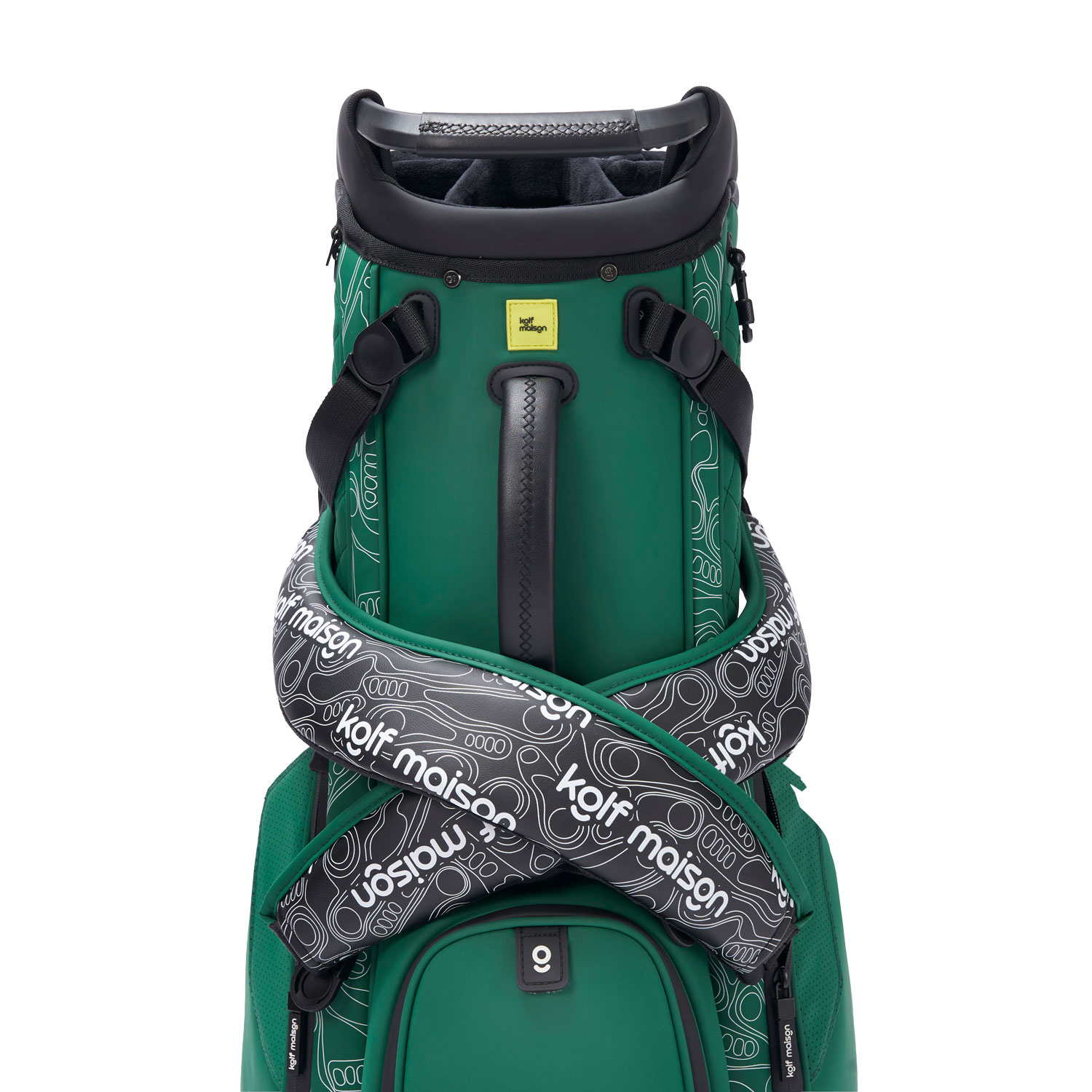
Kolf Maison maintains pricing integrity because our Premium Matte Microfiber Composite Leather is engineered and validated through rigorous testing that remains standard year-round. Our benchmarks include:
- Adhesion: Exceeding 27 newtons per 24mm under ASTM D751.
- Flex Endurance: Surviving 7,000+ cycles under ISO 5402.
- Abrasion Resistance: Surpassing 4,000 cycles under ASTM D3884.
- UV Stability: Preserving color and flexibility under ISO 105 B02.
Because these technical standards are permanent, our pricing is as well.
Why Clearance Encourages Design Shortcuts
When brands expect to clear inventory later, they design for speed. Materials are selected for cost flexibility rather than permanence. Architecture is optimized for the shelf, not the 500th round. Kolf Maison designs with the expectation that a bag remains correct for years. Our internal architecture is reinforced; our balance is tested under full load; our finish details exist to reduce friction over time.
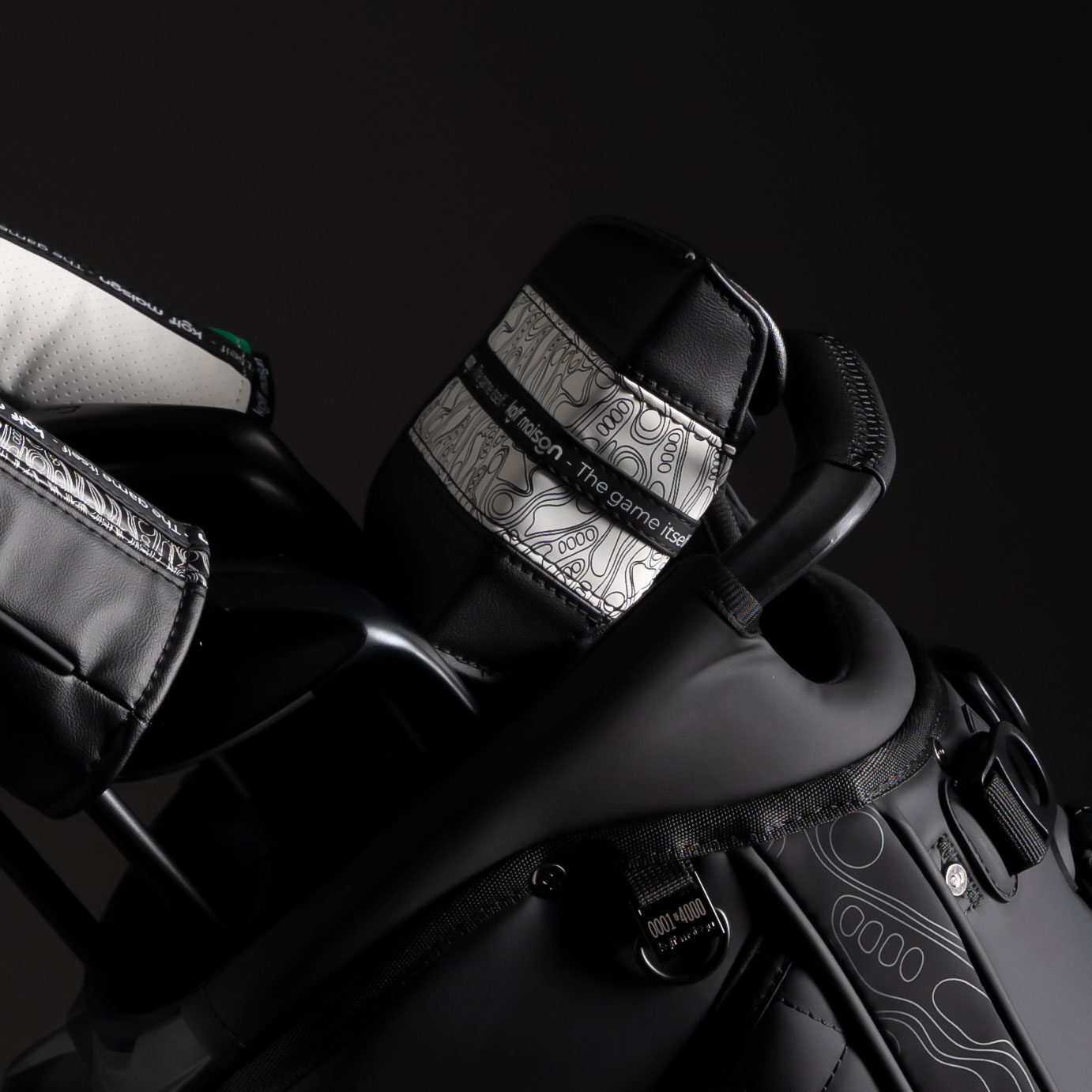
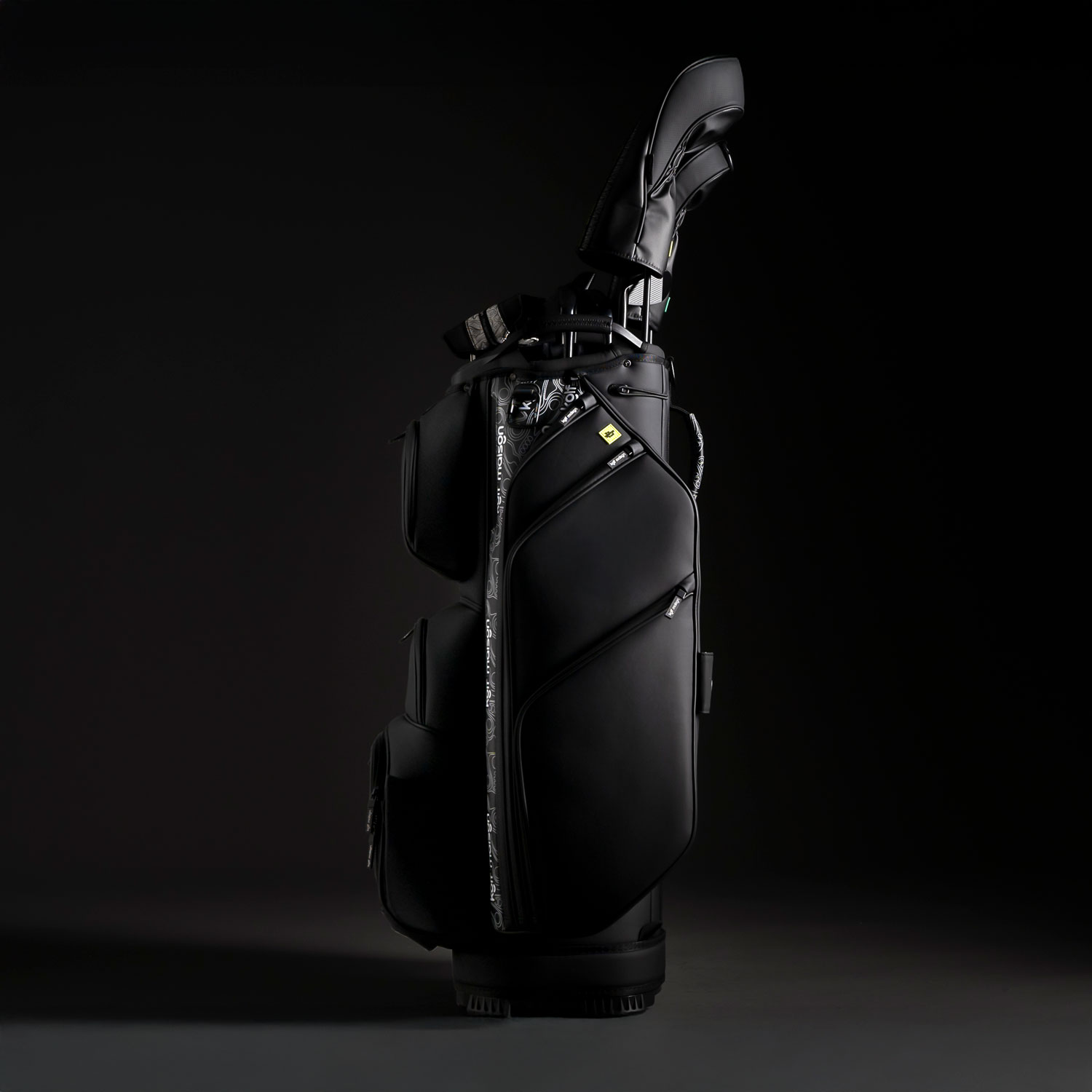
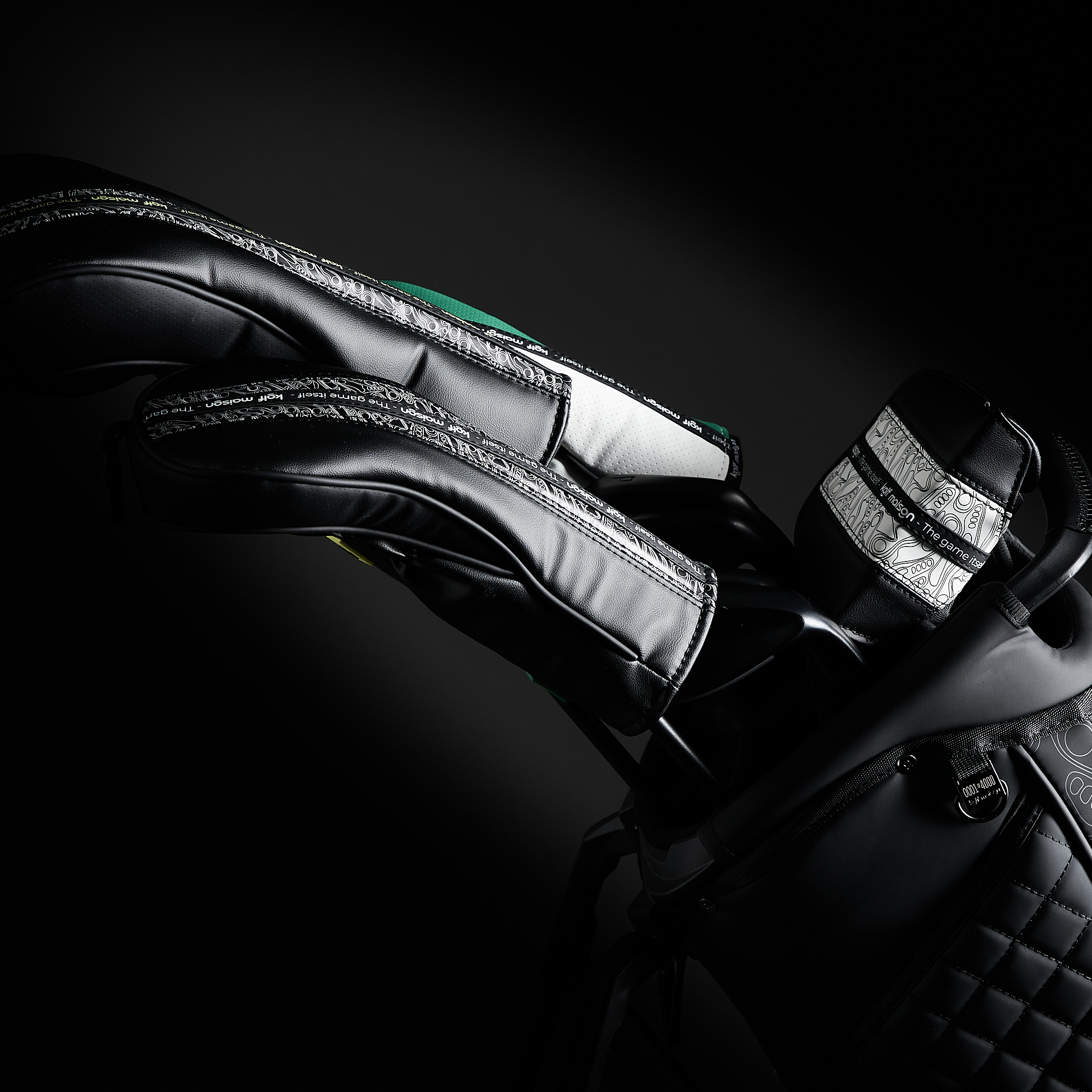
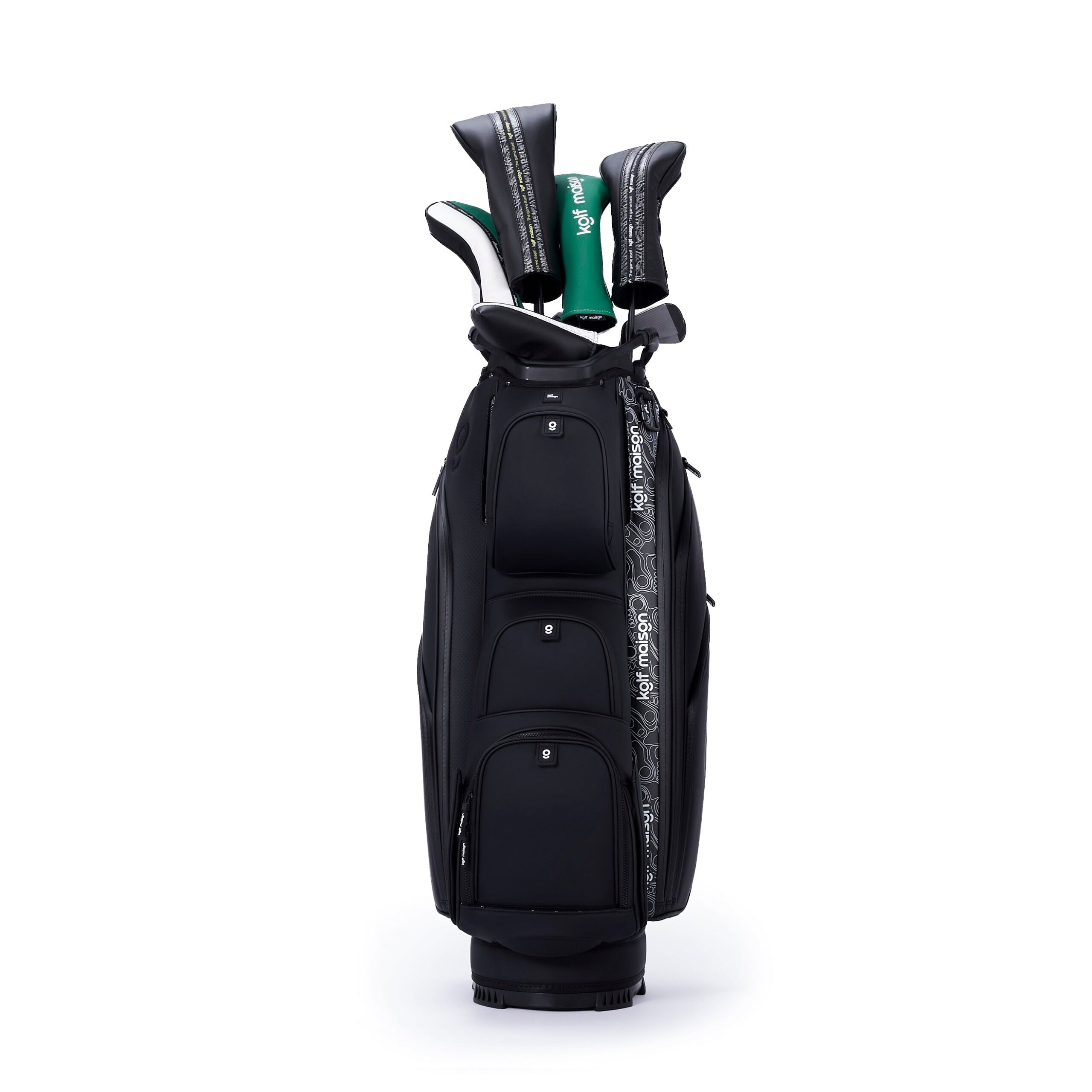
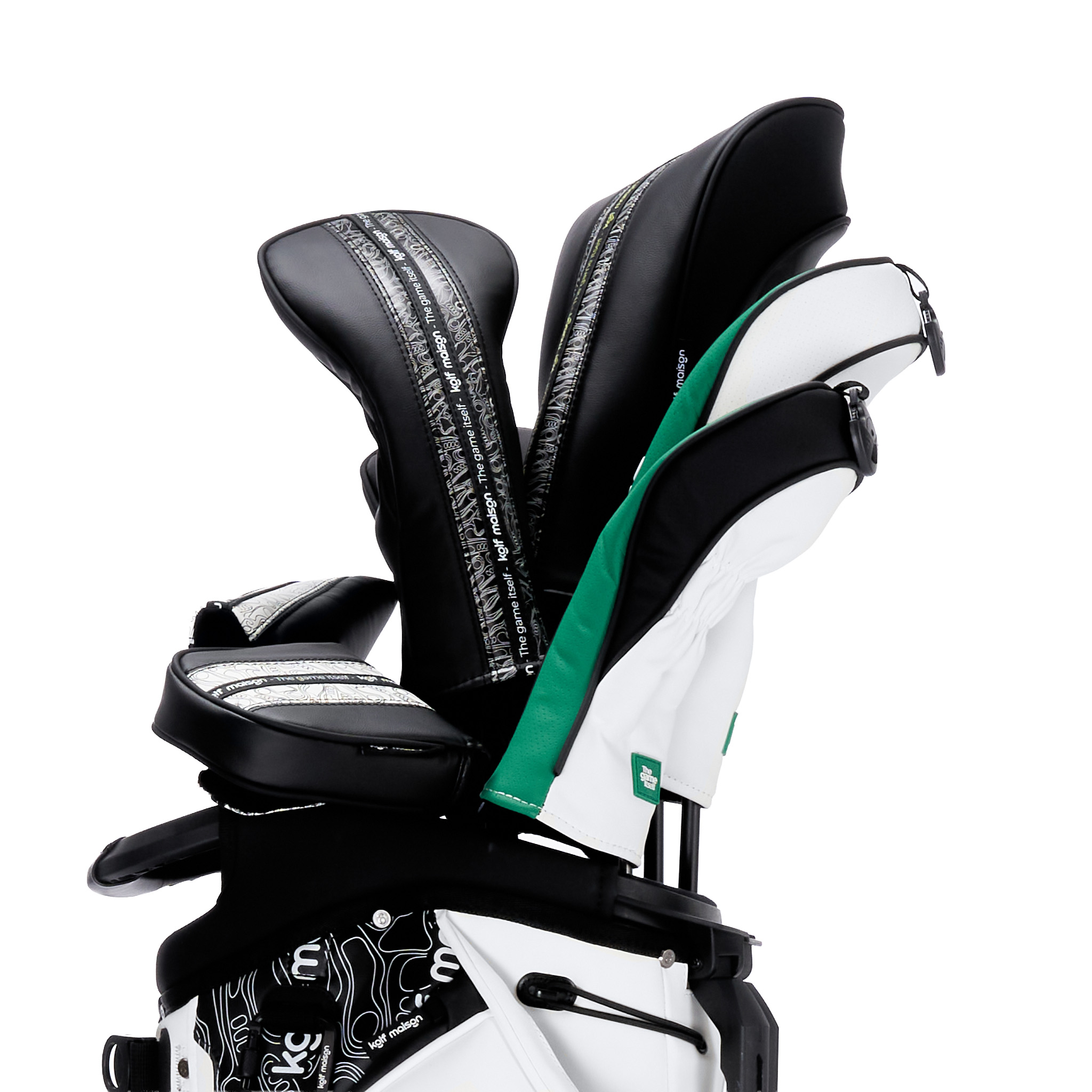
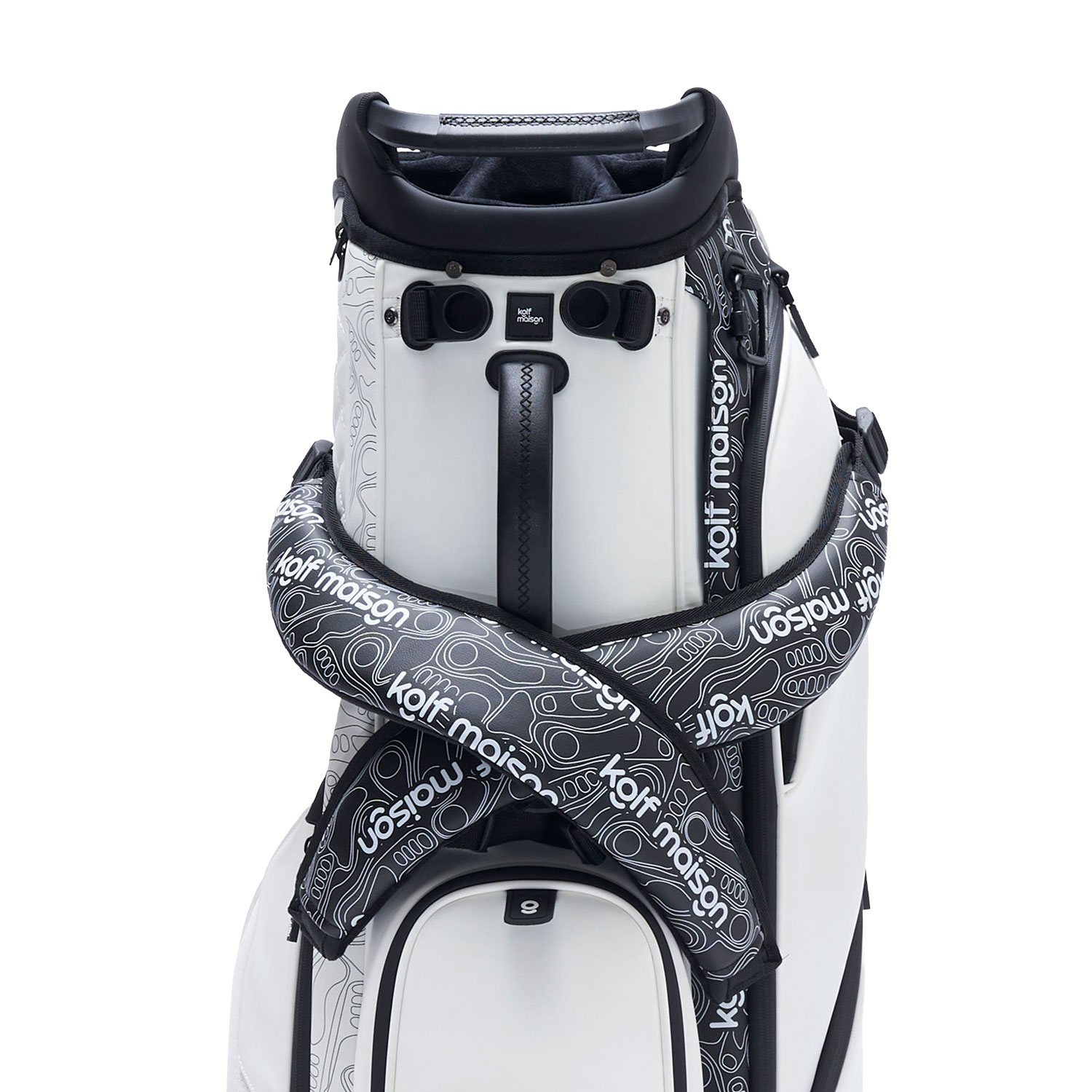
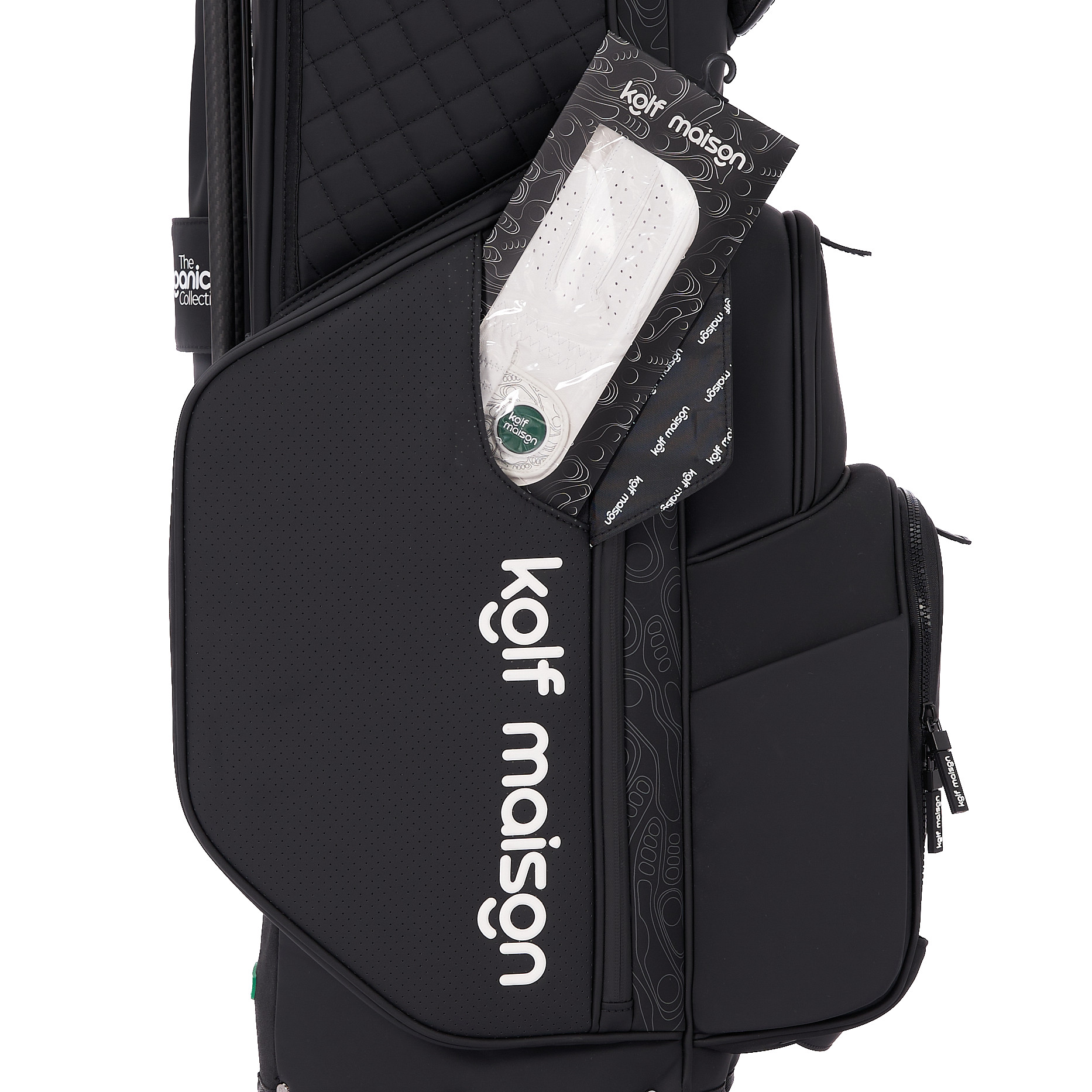
Details like velour-lined dividers, antimicrobial interiors, and genuine leather handles do not align with clearance logic. They are investments in the long-term owner experience. This discipline ensures production aligns with intention. There is nothing to “clear” because nothing is produced speculatively. This is the heart of Reserved for a Few.
The Quiet Confidence of a Fixed Value
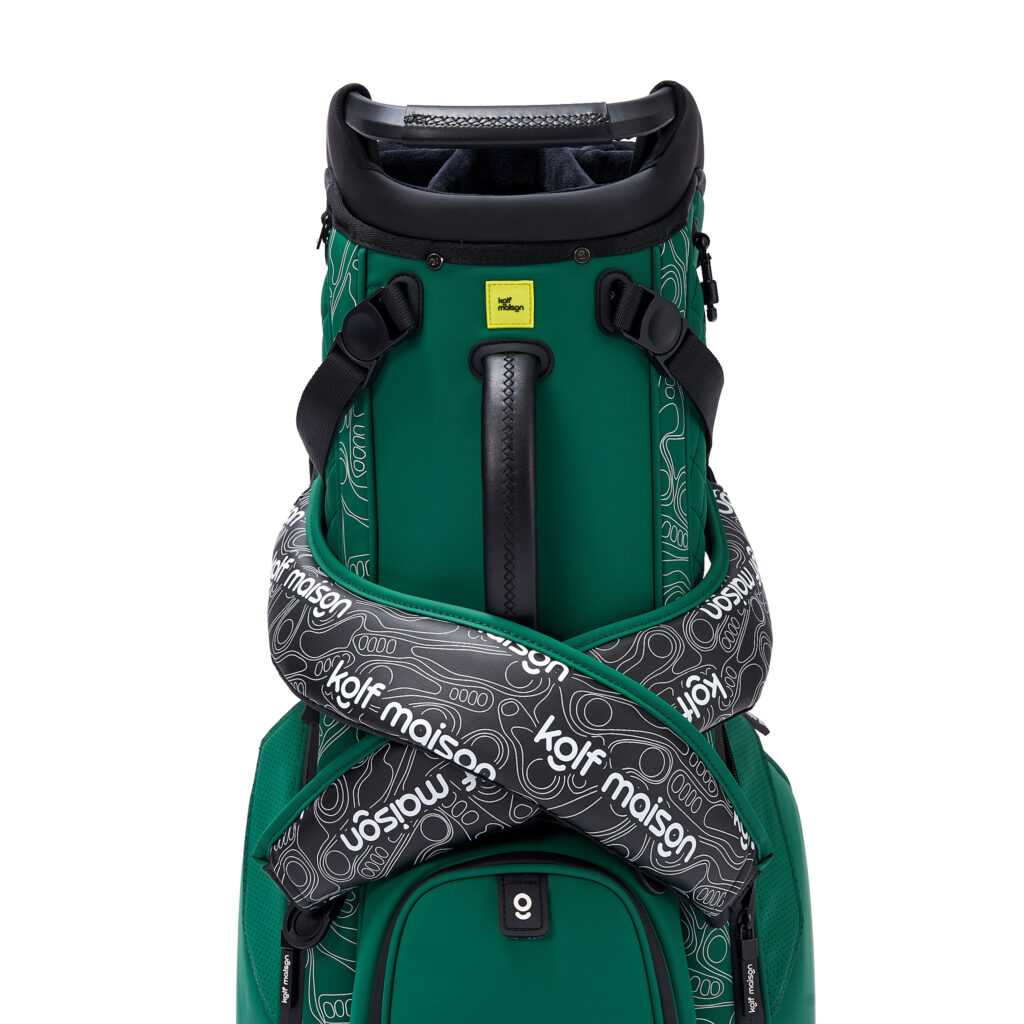
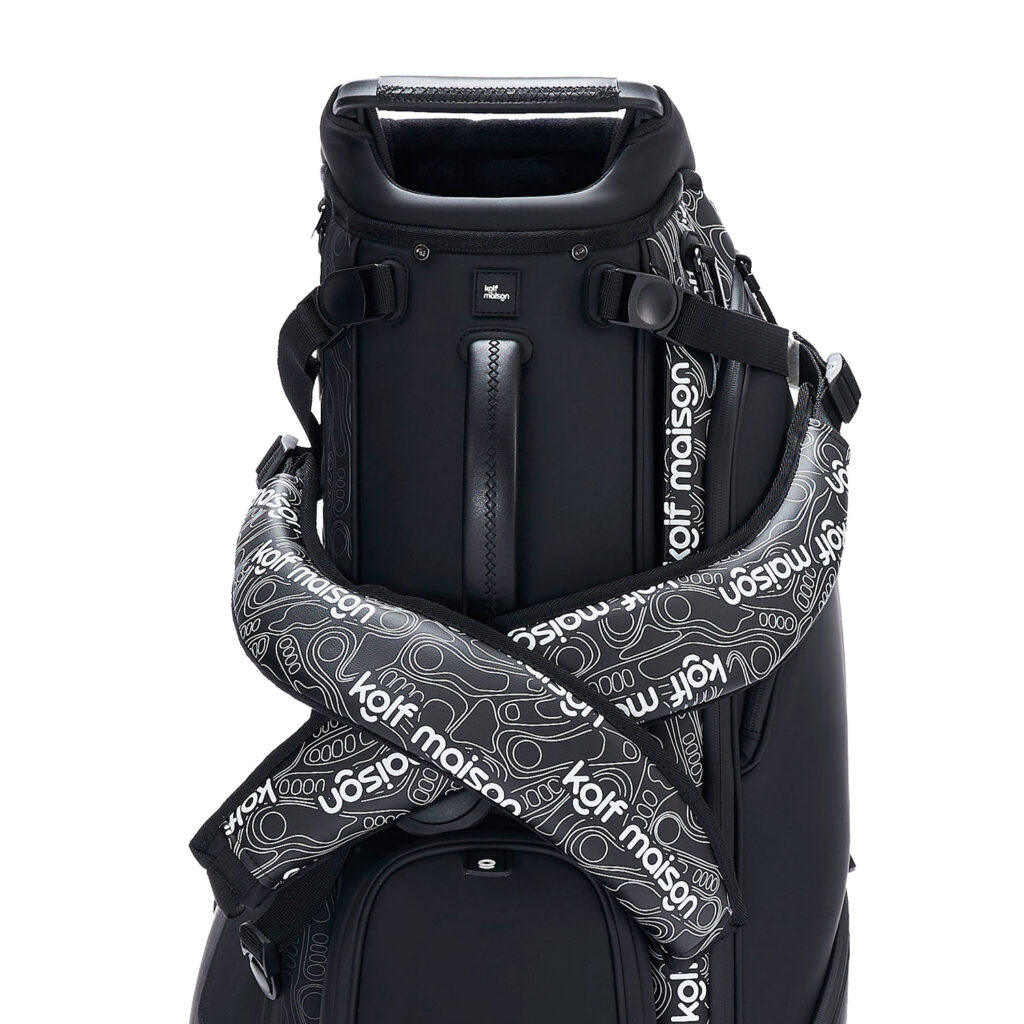
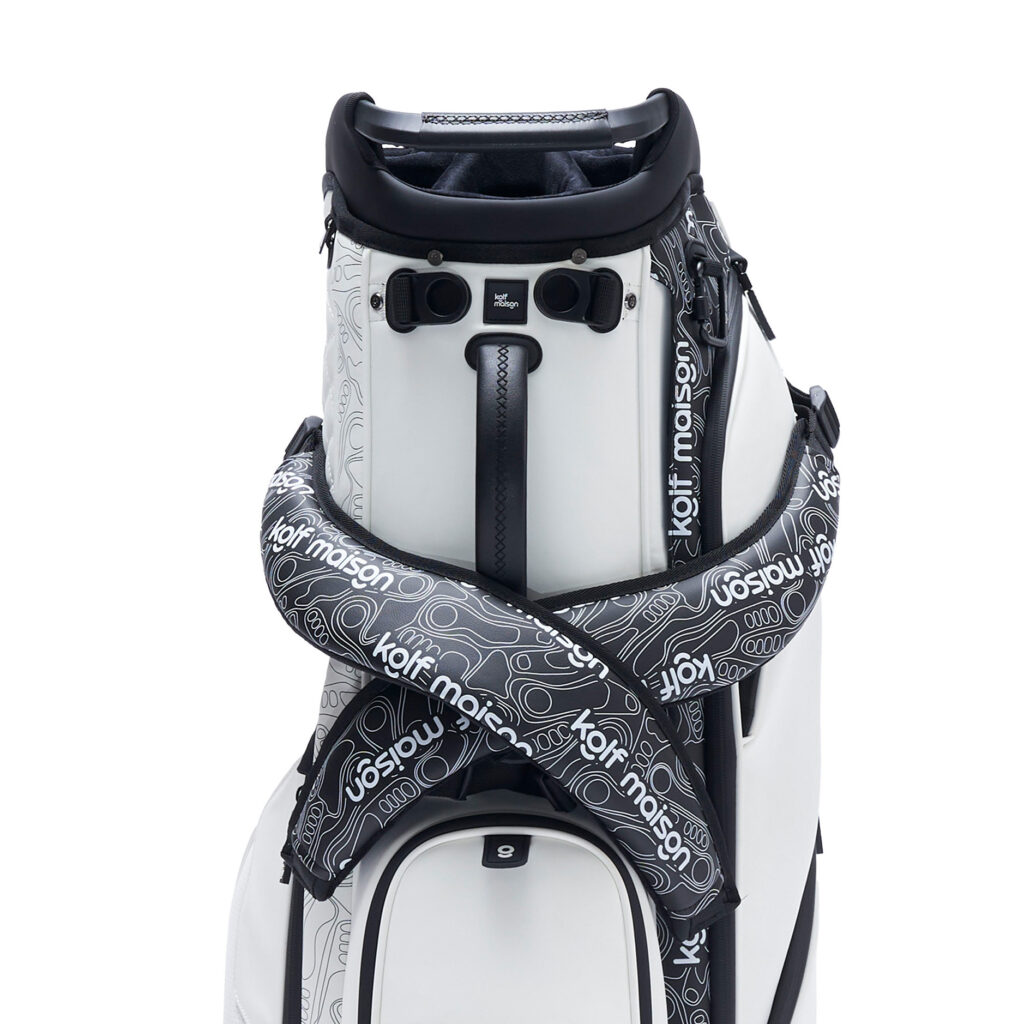
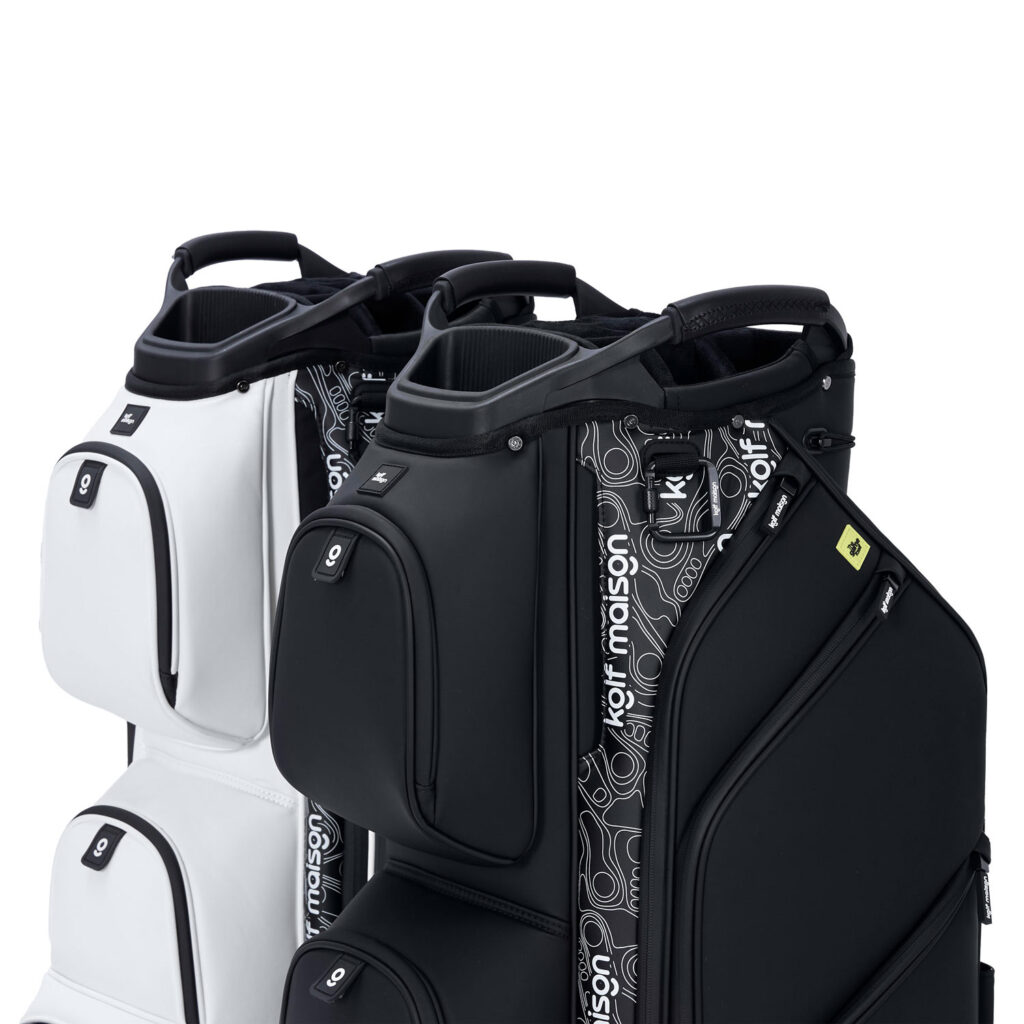
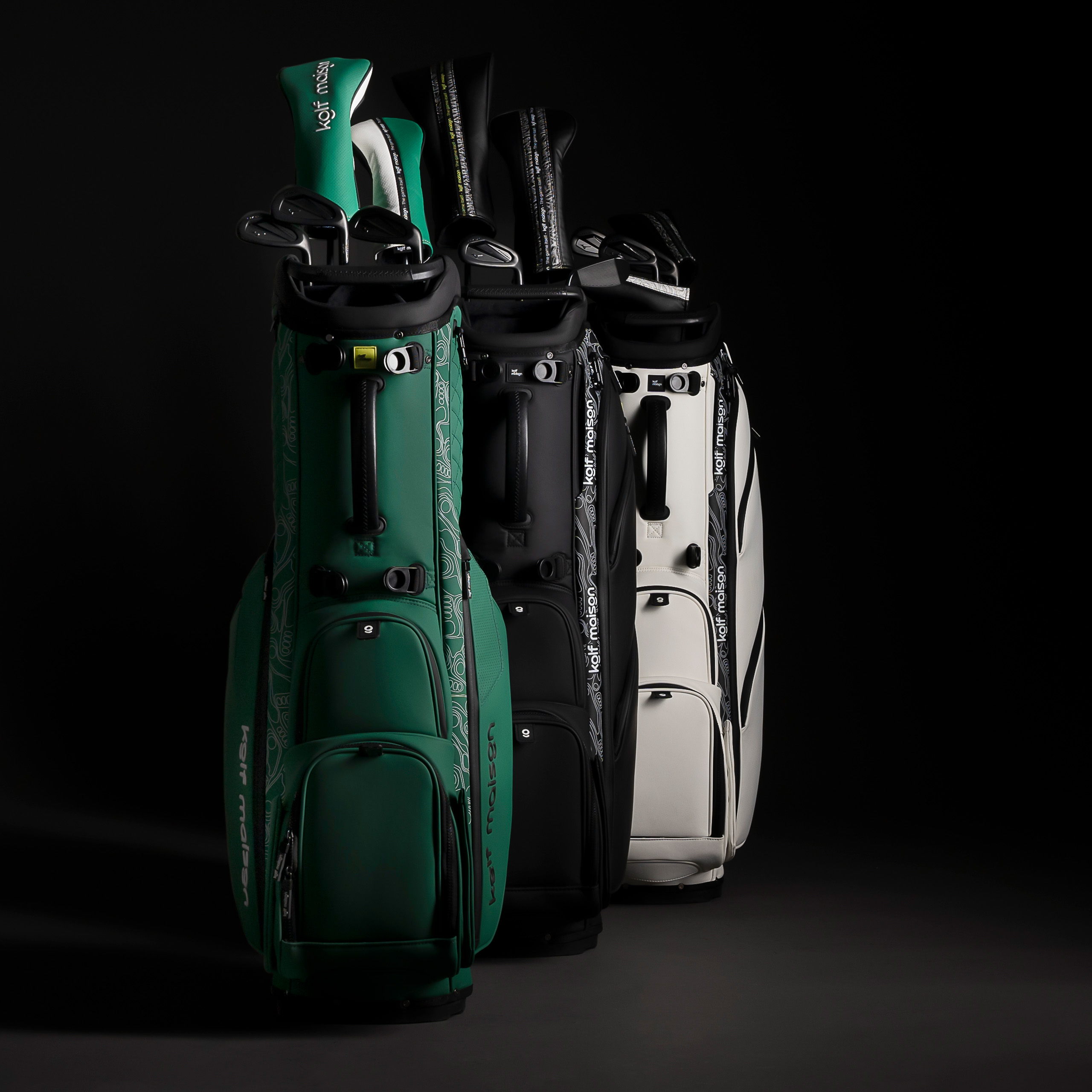
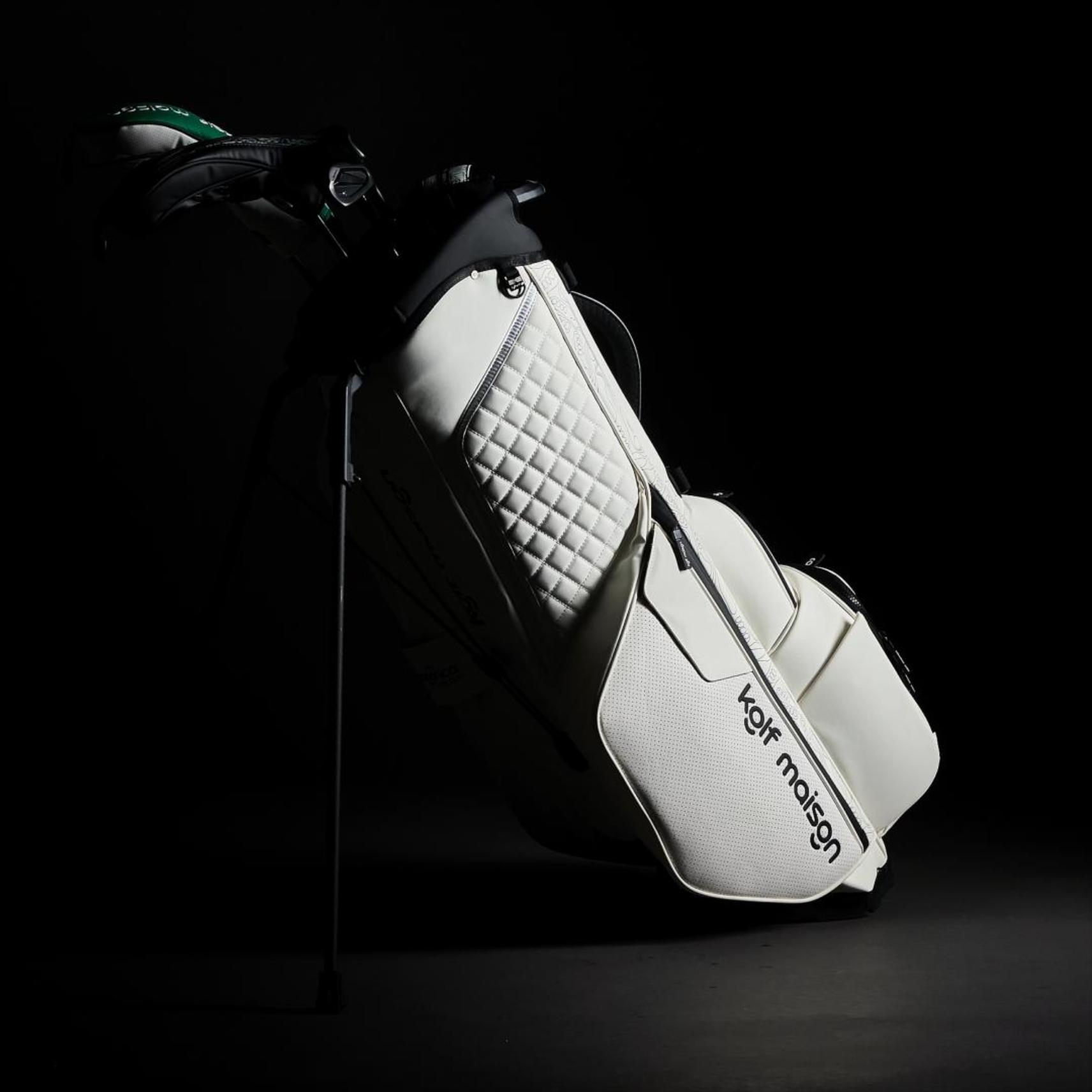
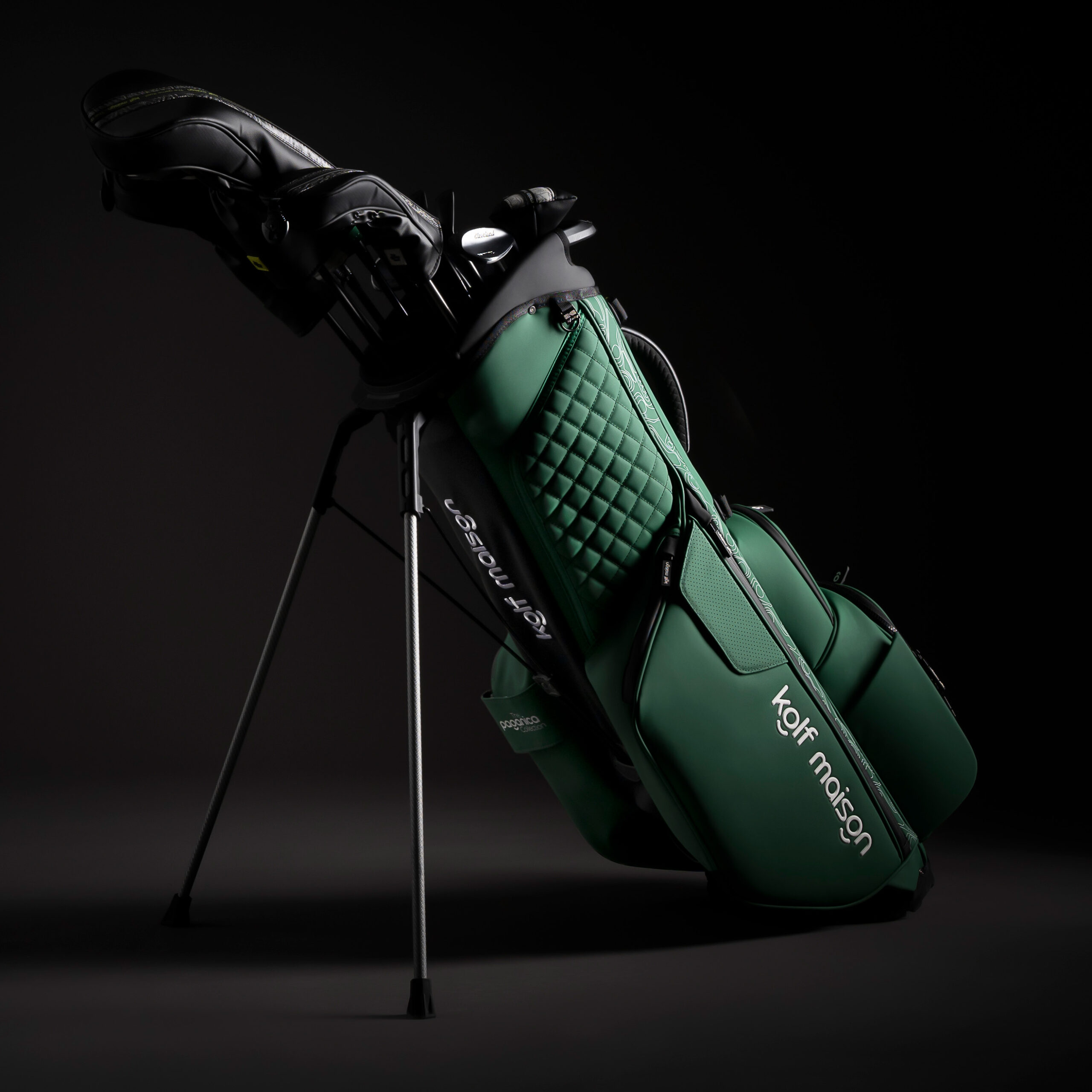
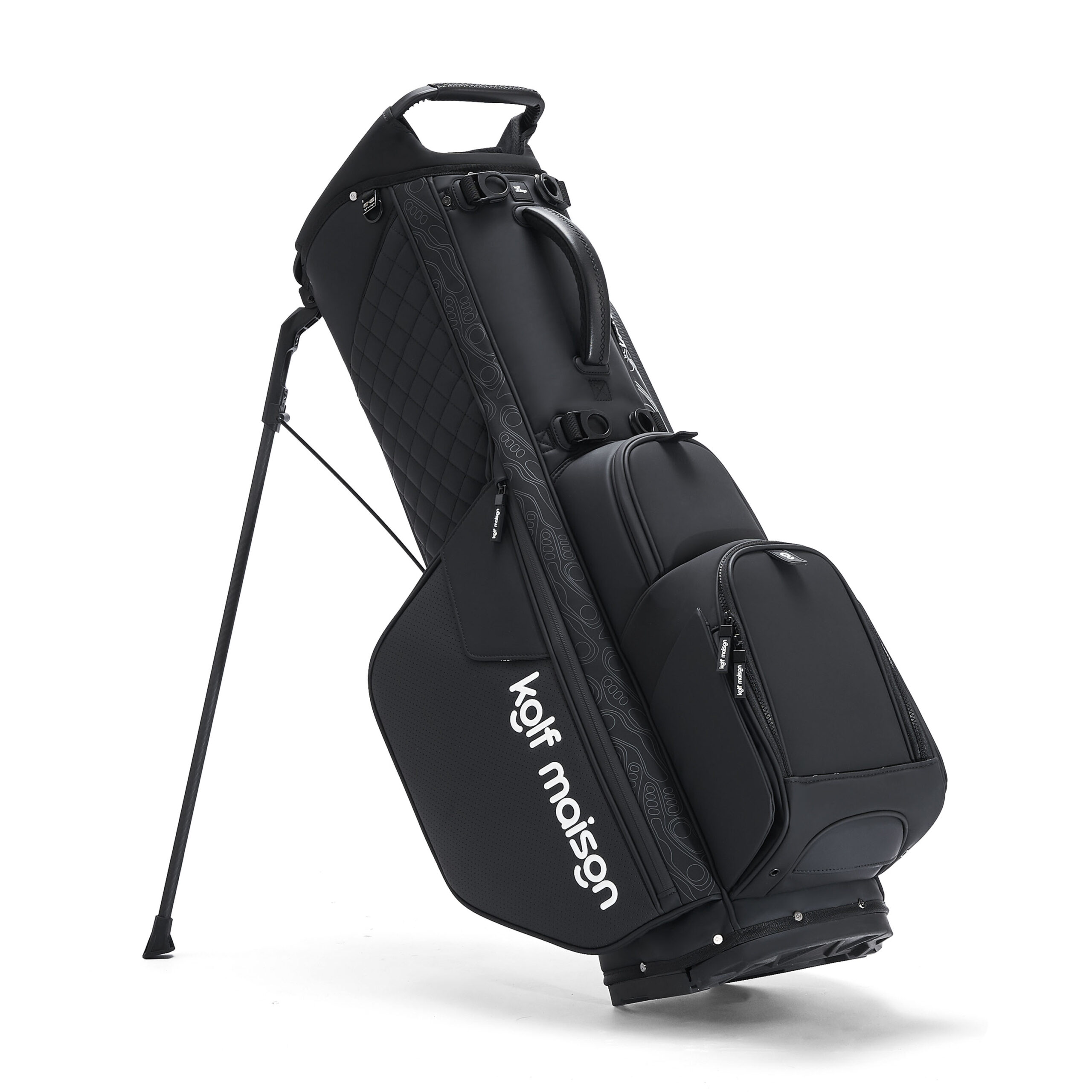
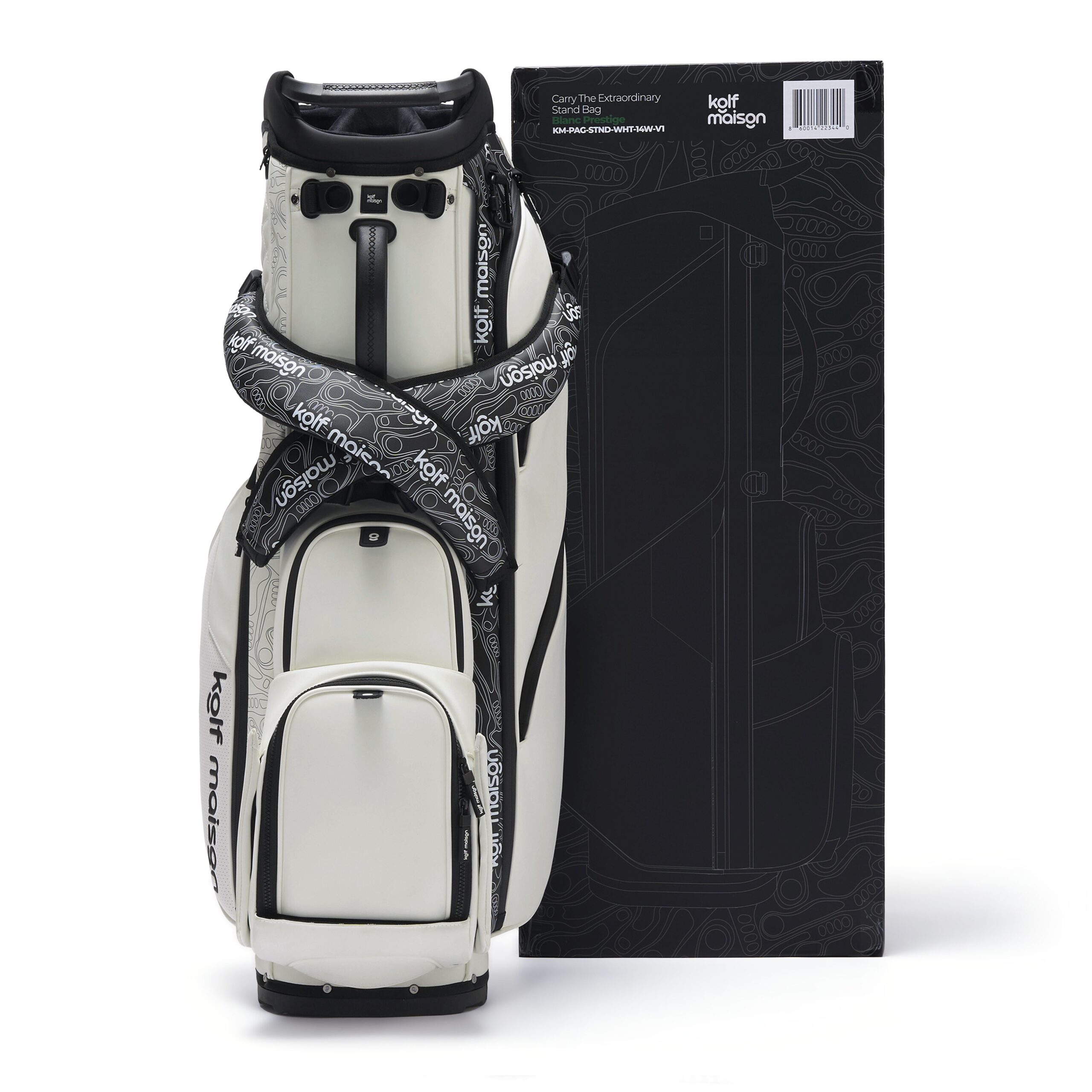
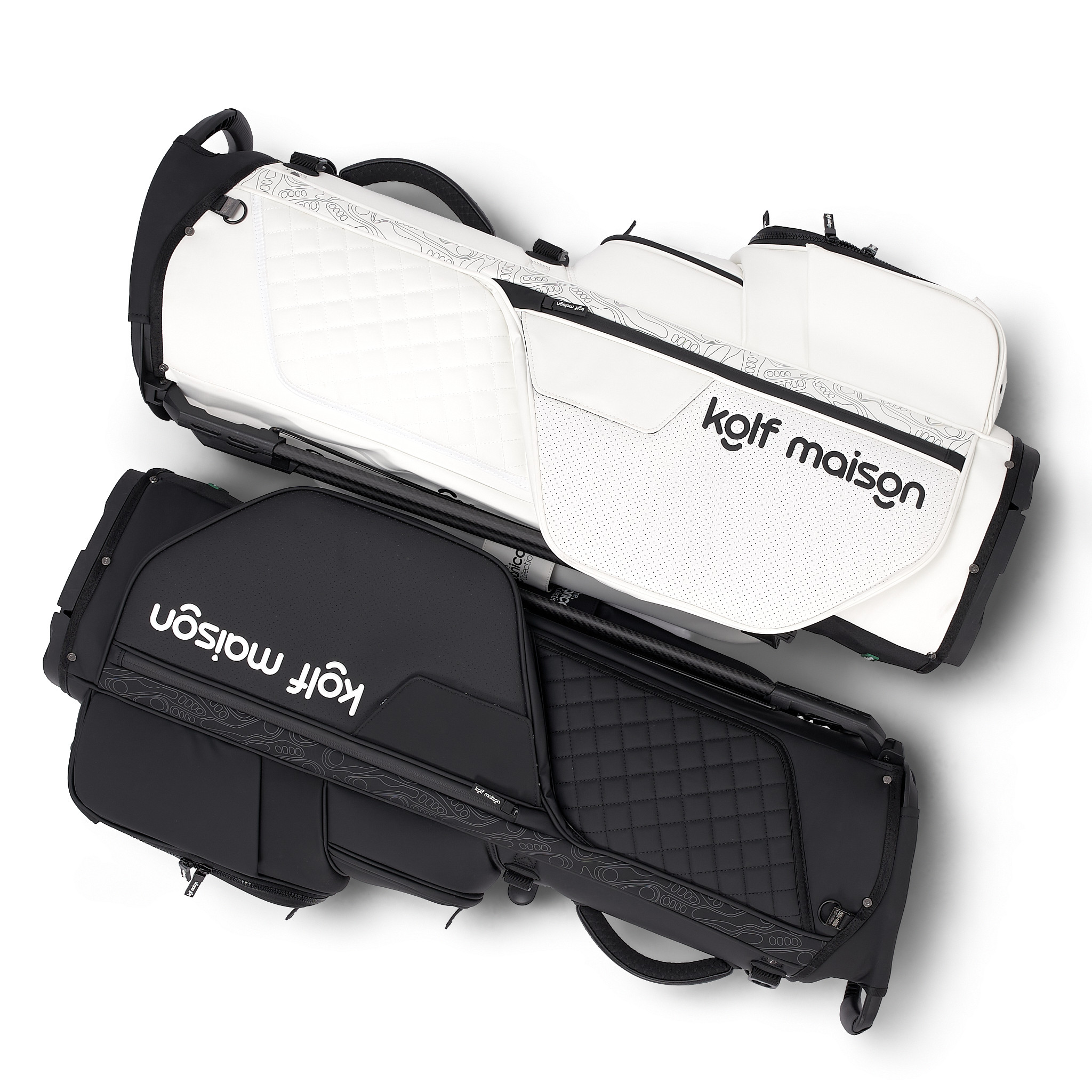
Serious golfers value consistency. They notice when materials degrade or when pricing fluctuates. A brand that relies on clearance communicates instability. For the walker choosing the Paganica Stand Bag Blanc Prestige or the cart player opting for the Paganica Cart Bag Obsidian Edge, there is a psychological protection in knowing the value will not erode next month.
A bag that never goes on sale sends a clear message: This is what it is worth. Today and years from now. No urgency, no apology, no revision. Craftsmanship does not chase attention through discounts; it waits to be understood through performance. Claim your place in a legacy that refuses to be diminished. Visit the Kolf Maison Official Website to experience the permanence of true quality.