The Difference Between Premium and Considered
In modern golf, the word “premium” has lost its precision. It appears everywhere: on price tags, in product descriptions, and in marketing language that promises quality without defining it. Premium has become shorthand for expensive, upgraded, or visually impressive. Considered is something else entirely. Kolf Maison does not aim to be premium; it aims to be considered. The difference is structural. Premium describes what something costs. Considered describes how it was conceived, built, and intended to live with its owner.
This distinction shapes every decision we make—from architectural design and limited production to pricing integrity. It is the reason Kolf Maison resists noise, artificial urgency, and the superficial signals of luxury that dominate the industry today.
What Premium Usually Means Today
In the current market, “premium” has become a visual category. It relies on immediate impact: more features, more contrast, and louder branding. These products are designed to impress quickly—photographing well and converting sales through novelty. However, premium products are often replaced as soon as the next “upgraded” version arrives. Their value is tied to the temporary, not the enduring. When the novelty fades, relevance follows.
What Considered Actually Requires
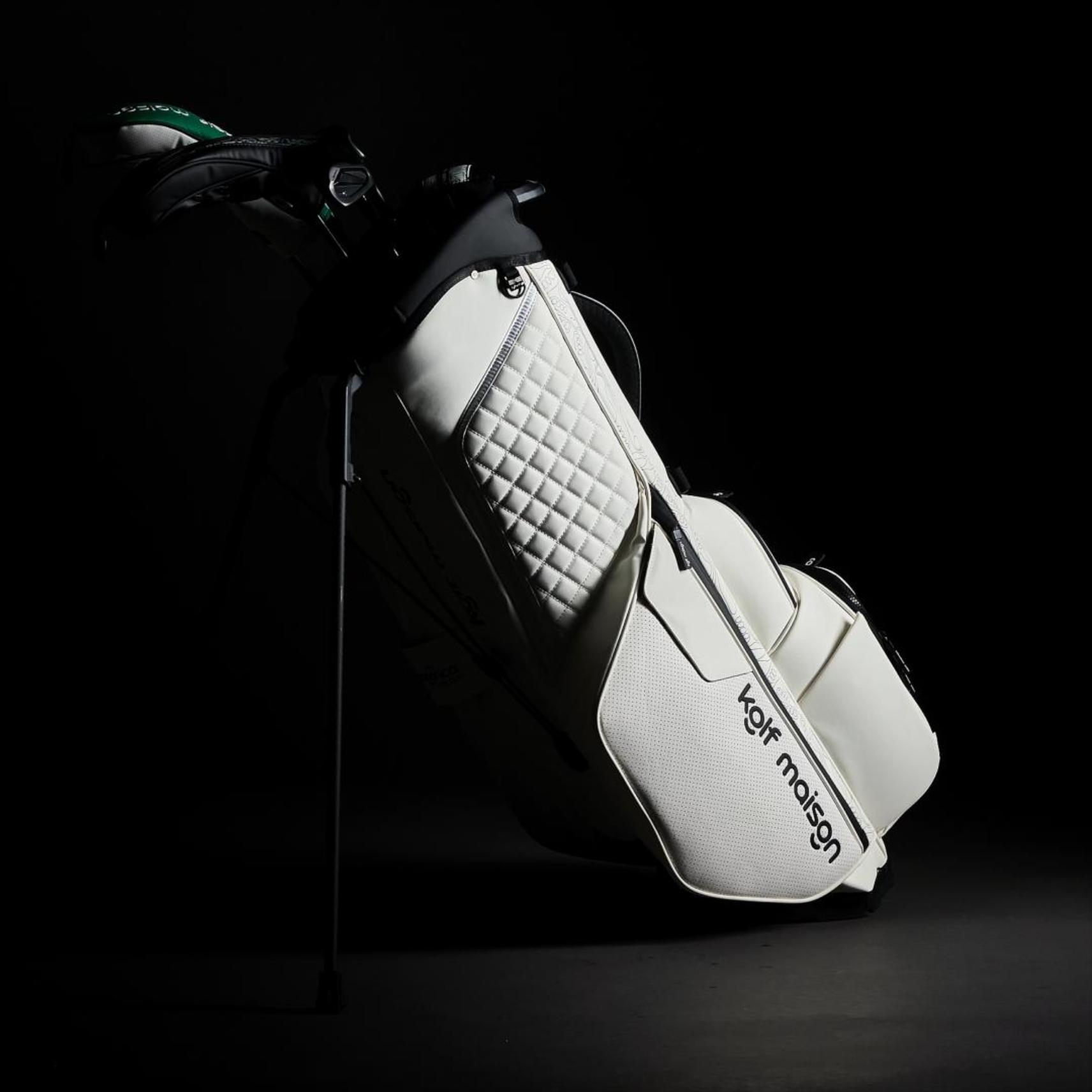
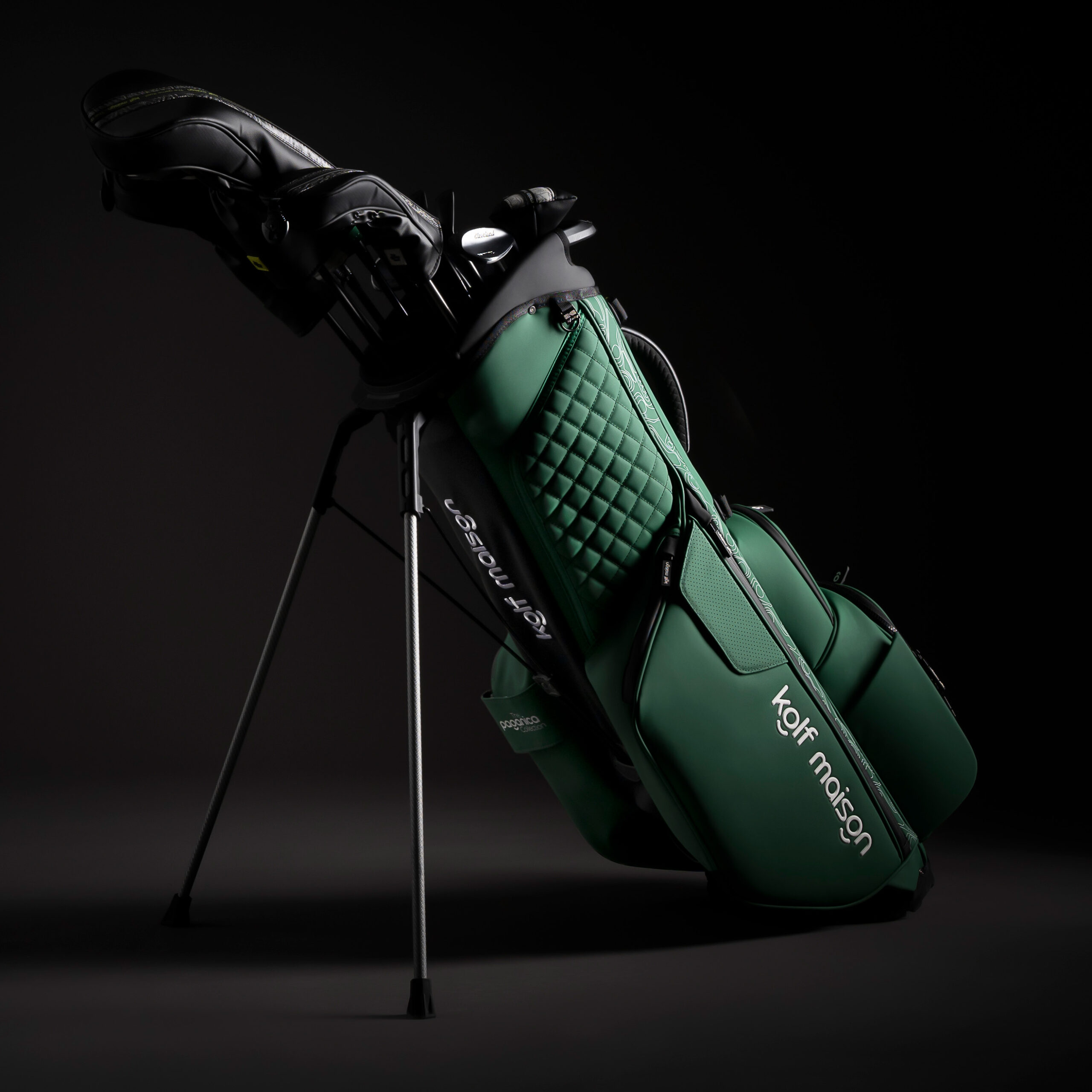
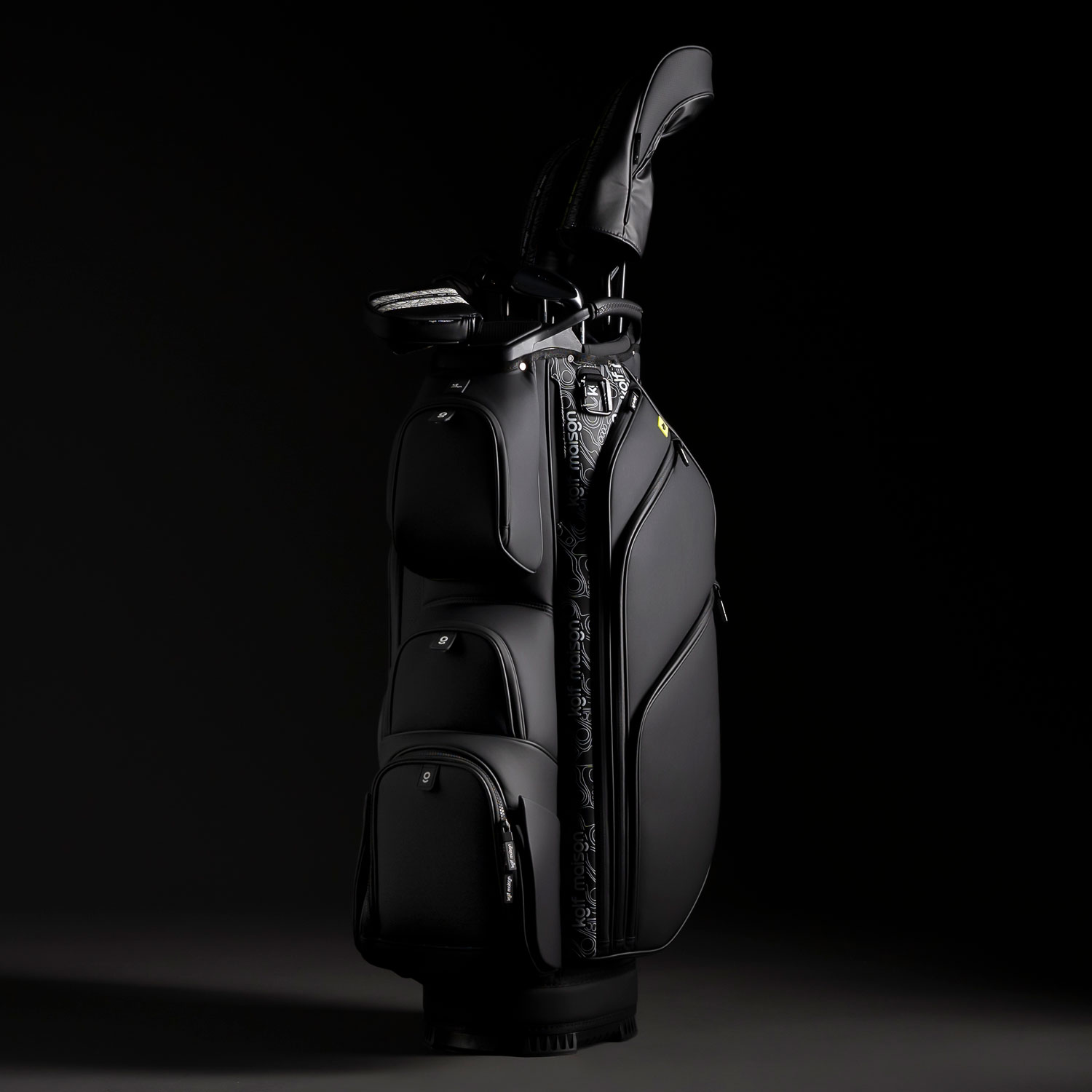
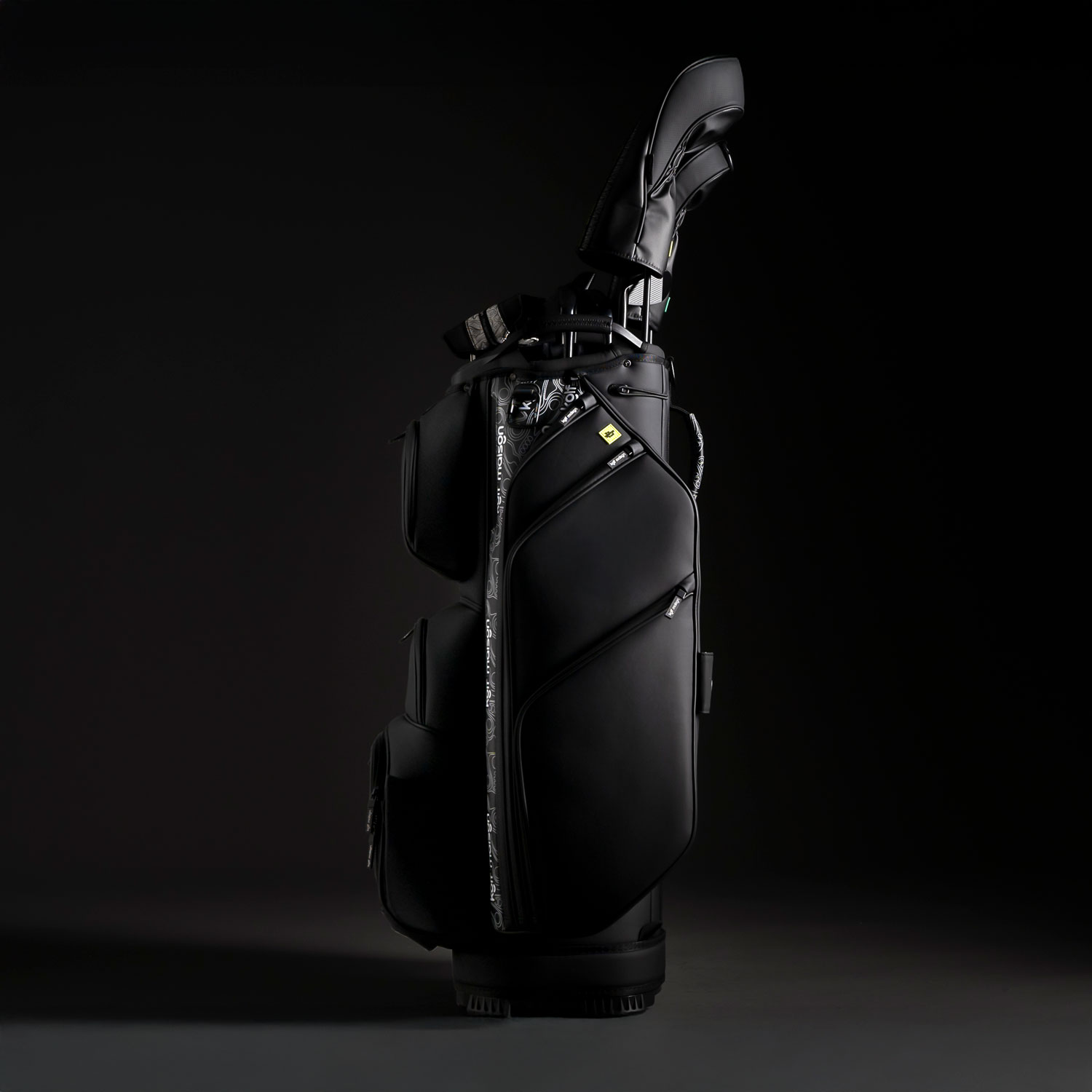
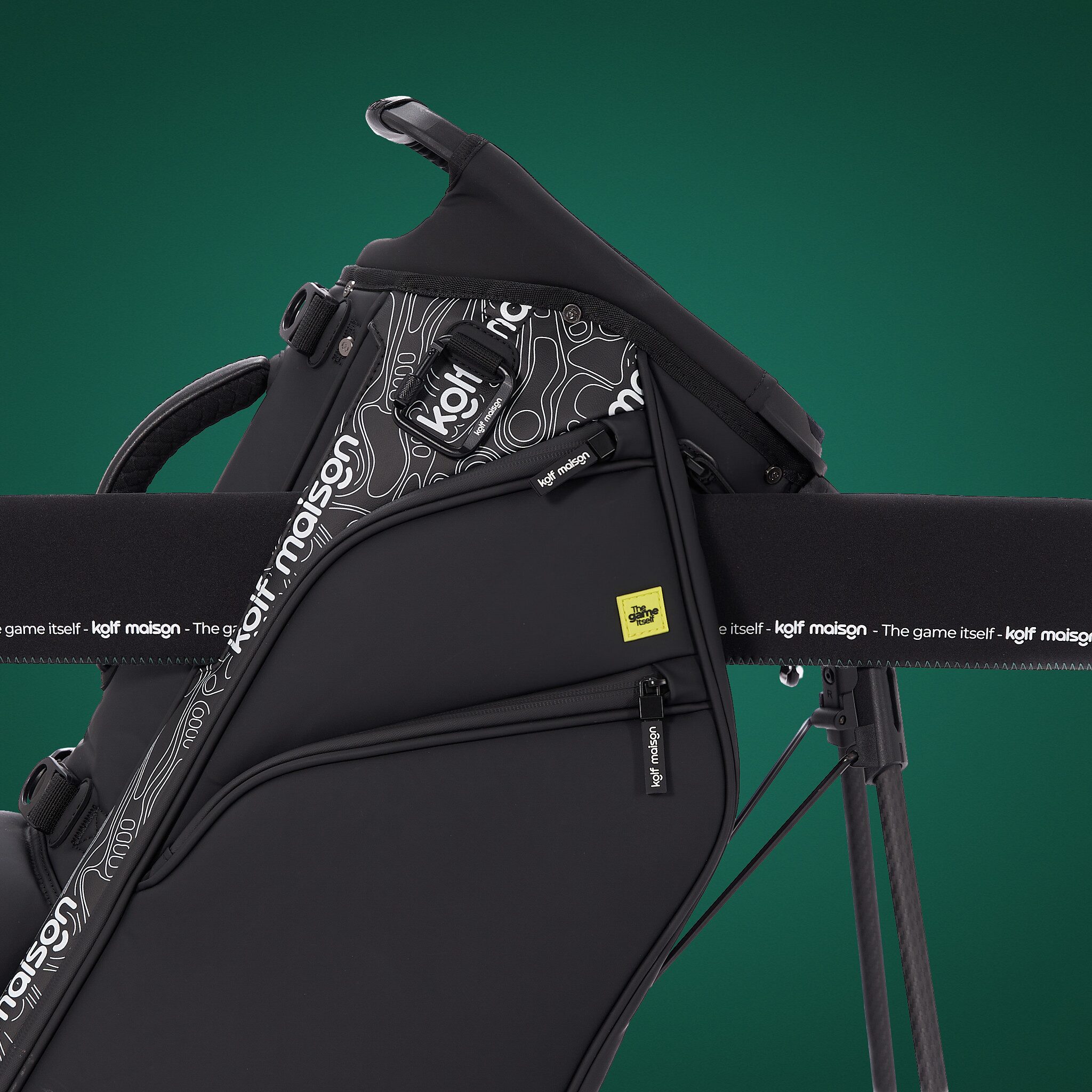
Considered design begins with restraint. It asks different questions: not how to add more, but what can be removed to achieve perfection. It focuses on remaining correct over time rather than standing out instantly. This process involves selecting materials like our Matte Microfiber Composite Leather for their behavior under multi-year stress, rather than their initial showroom shine. Because this process cannot be scaled aggressively, truly considered products are inherently rare.
Why Considered Products Do Not Need Explanation
Premium products often arrive with heavy explanation—lists of features and aggressive claims of superiority. Considered products communicate through use. They reveal themselves in the routine: how they balance on the shoulder, how they sit securely on a cart, and how they protect clubs without effort. This value becomes evident gradually, which is entirely intentional.
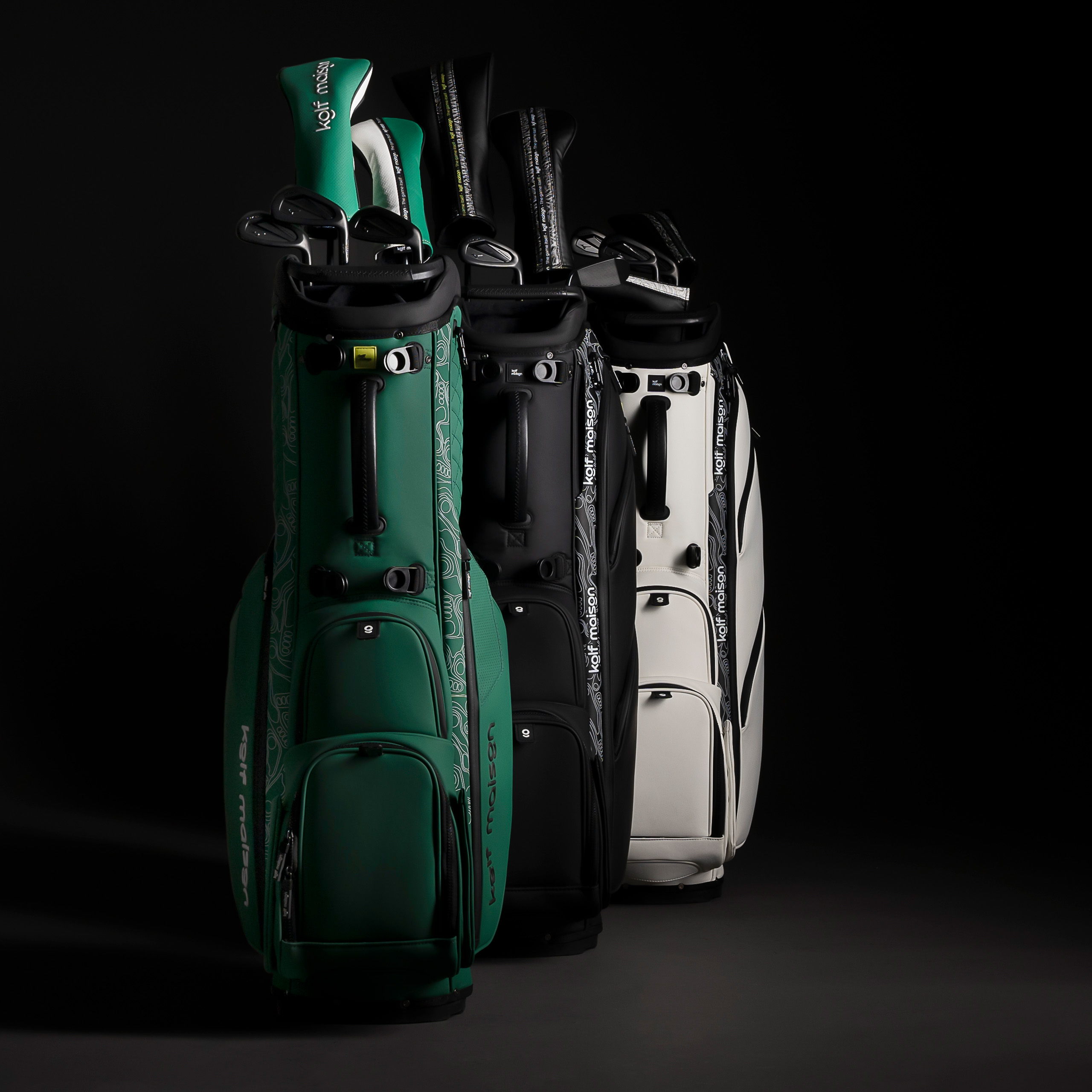
This aligns with the broader Kolf Maison philosophy of being Reserved for a Few. Scarcity here is not a marketing tactic; it is the natural result of a disciplined production cycle that refuses to compromise standards for the sake of volume.
Premium Chases Attention. Considered Earns Trust.
Premium brands depend on being seen—louder visuals and more frequent campaigns. Considered brands depend on being reliable. Kolf Maison does not need to be constantly visible because our products are constantly present in use. Trust compounds when expectations are met round after round. This trust is not built through celebrity endorsements or seasonal discounts; it is built through the structural integrity revealed in our Brand Origin.
The Role of Craftsmanship in Considered Design
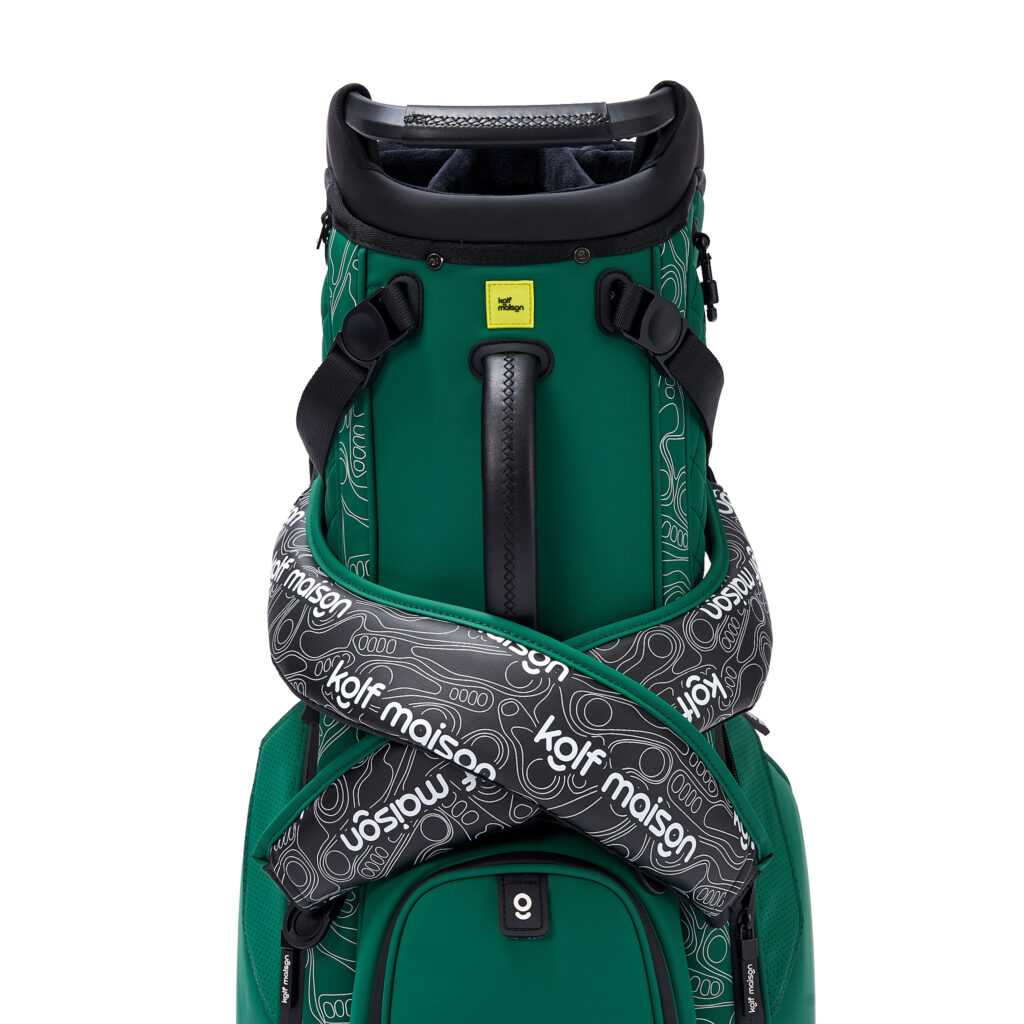
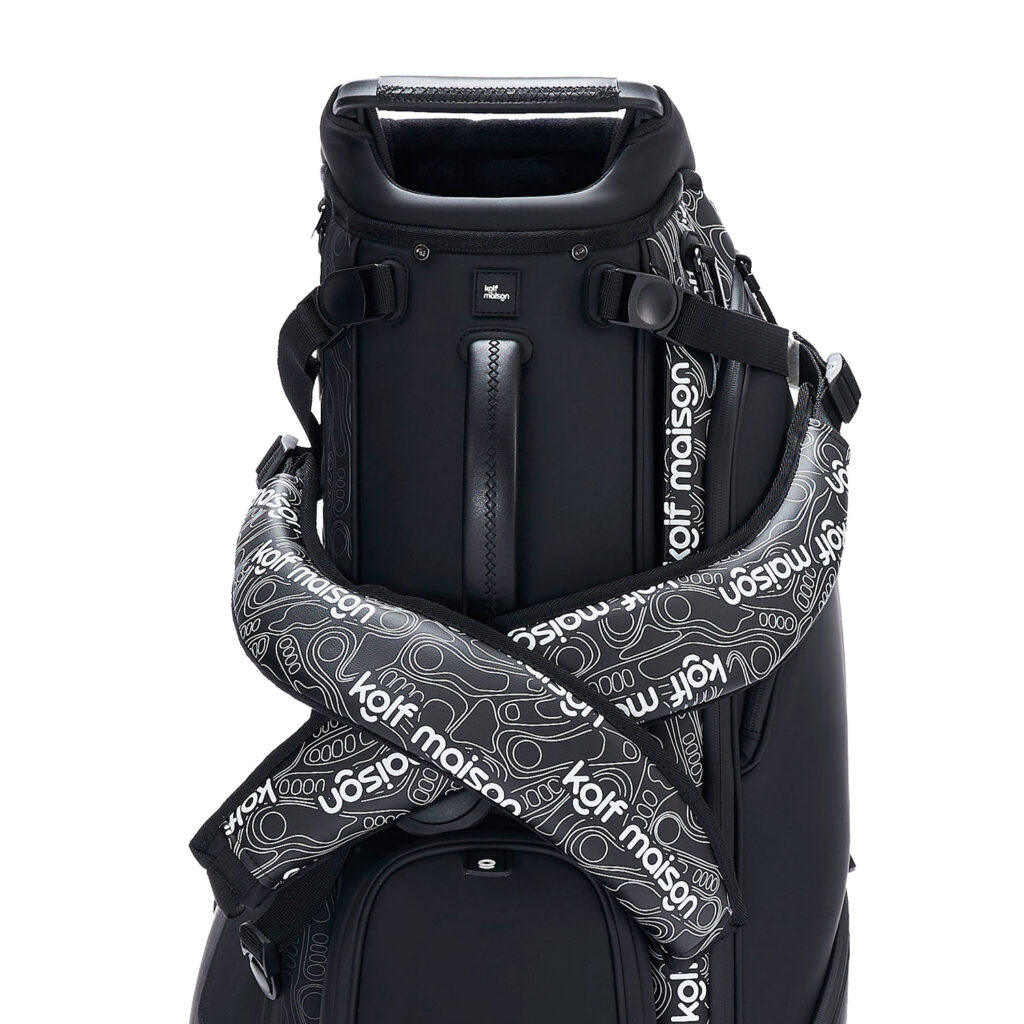
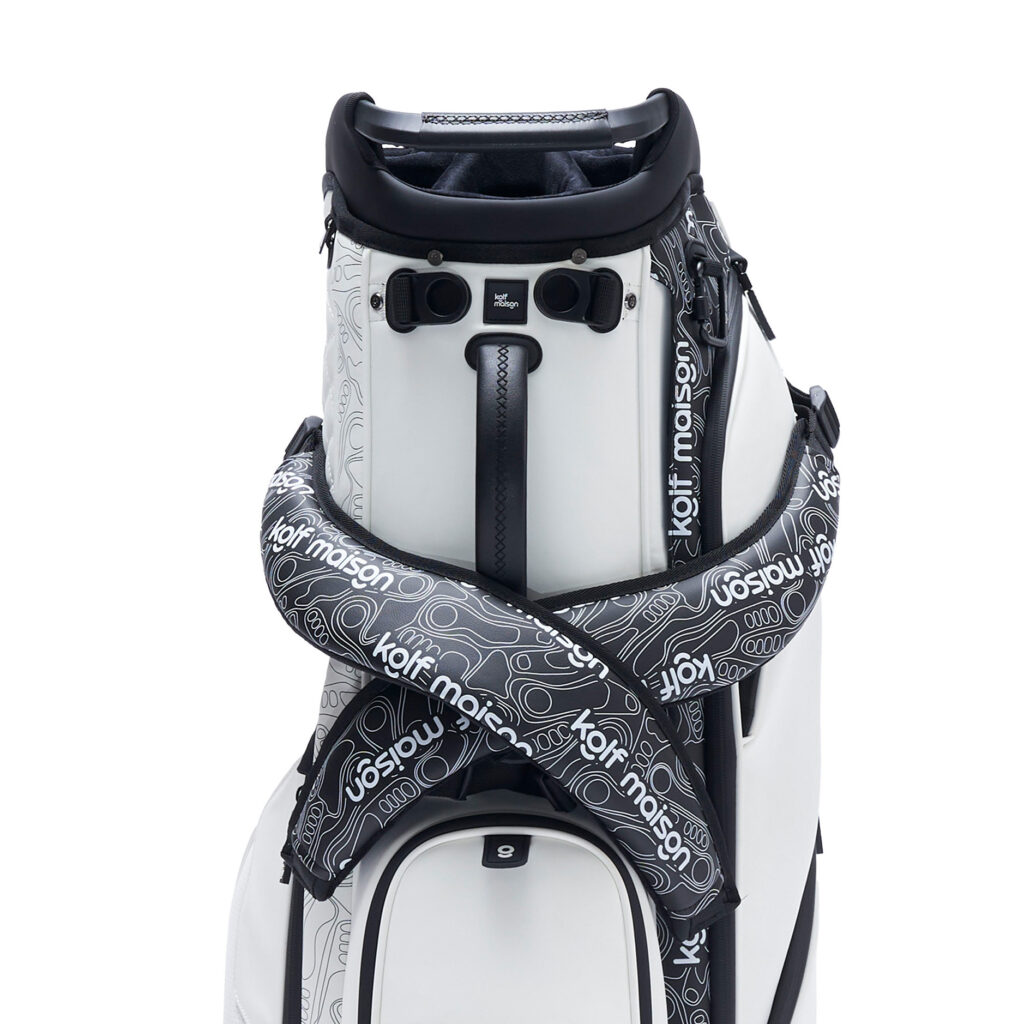
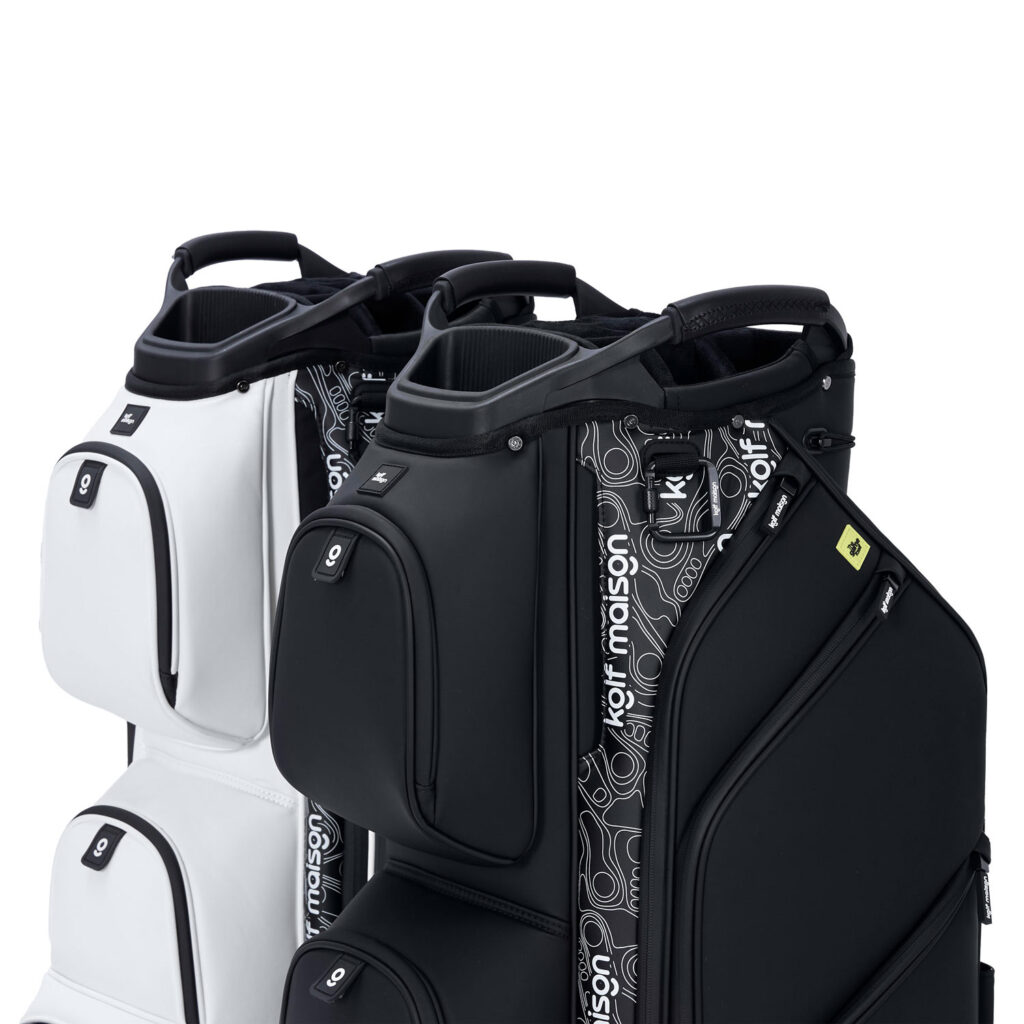
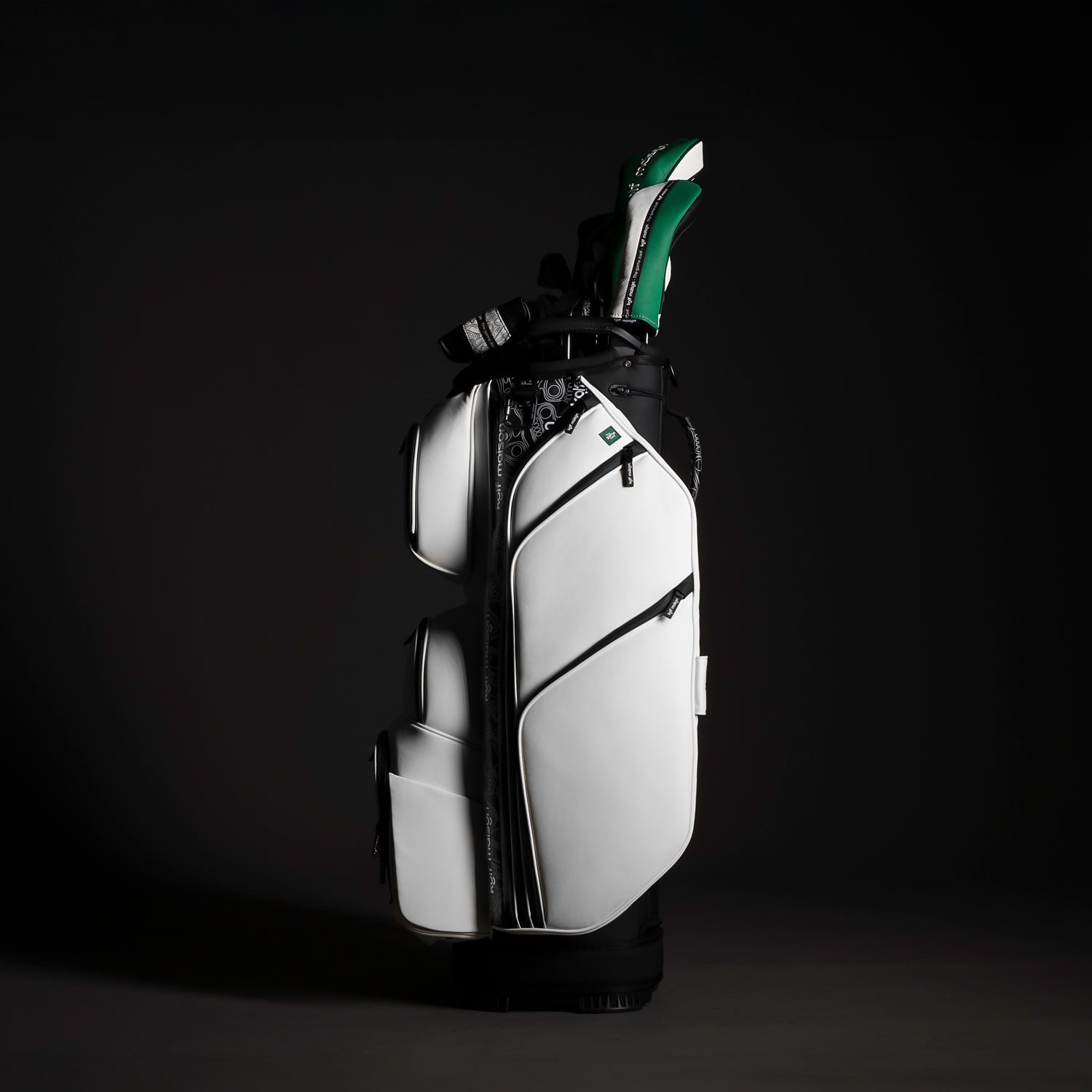
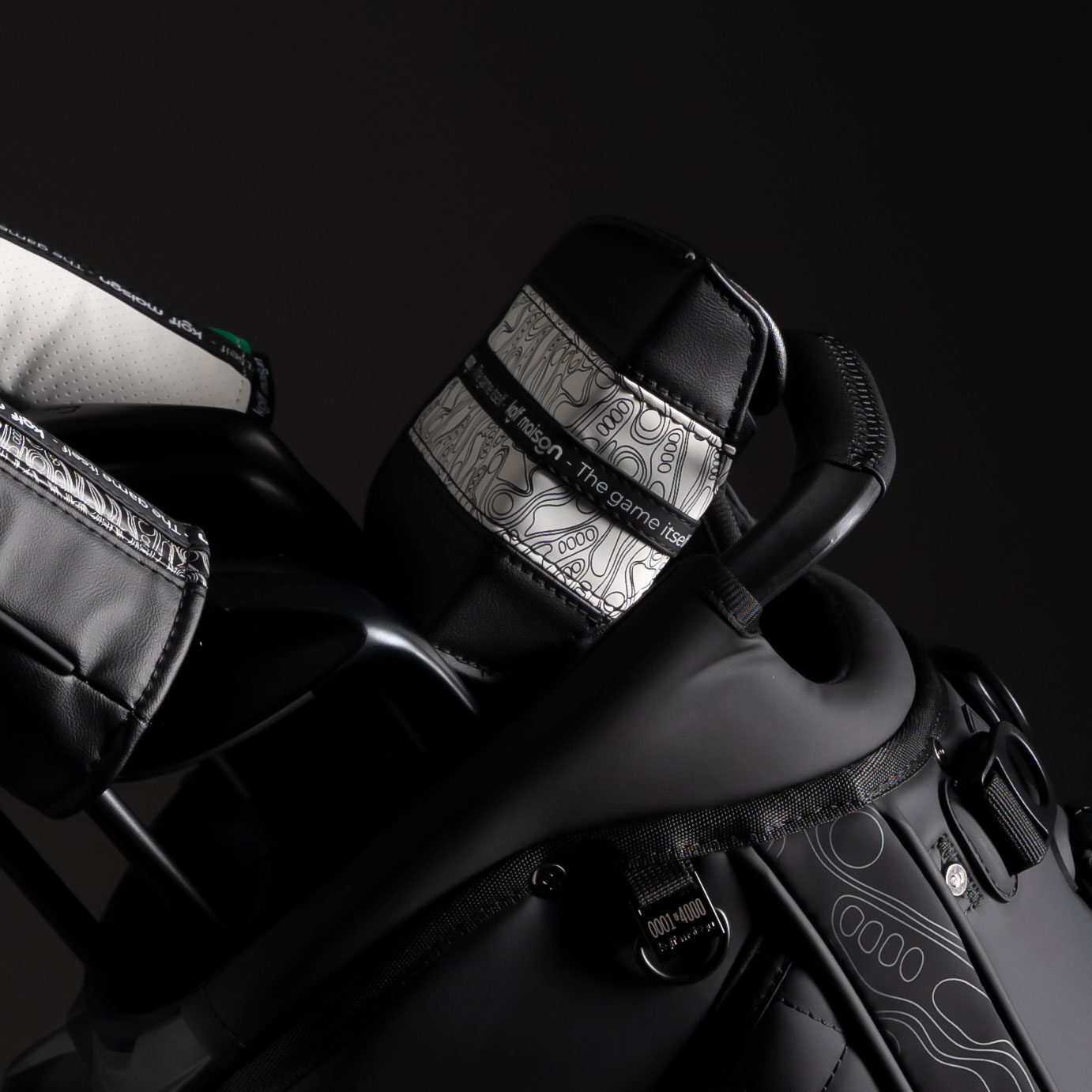
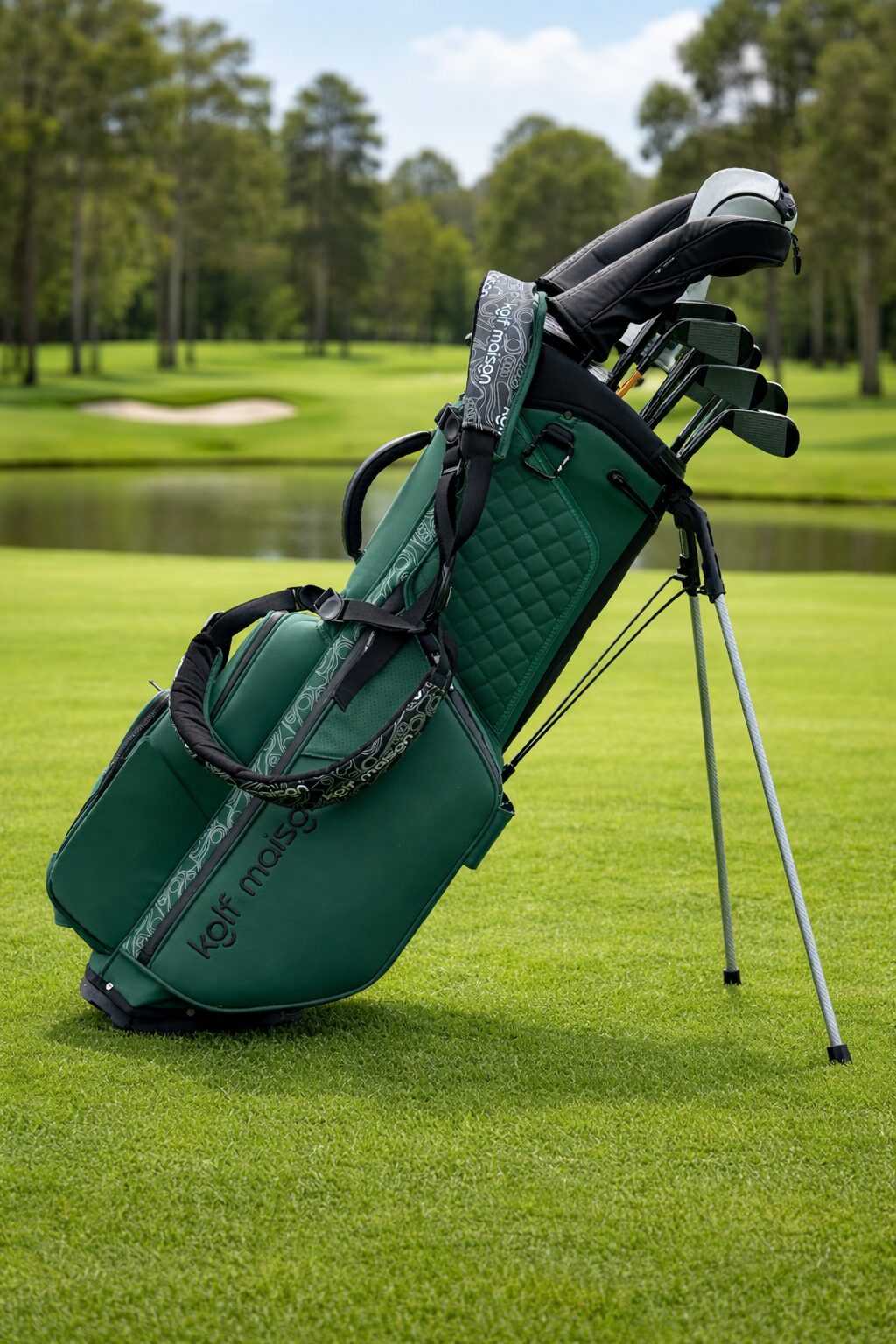
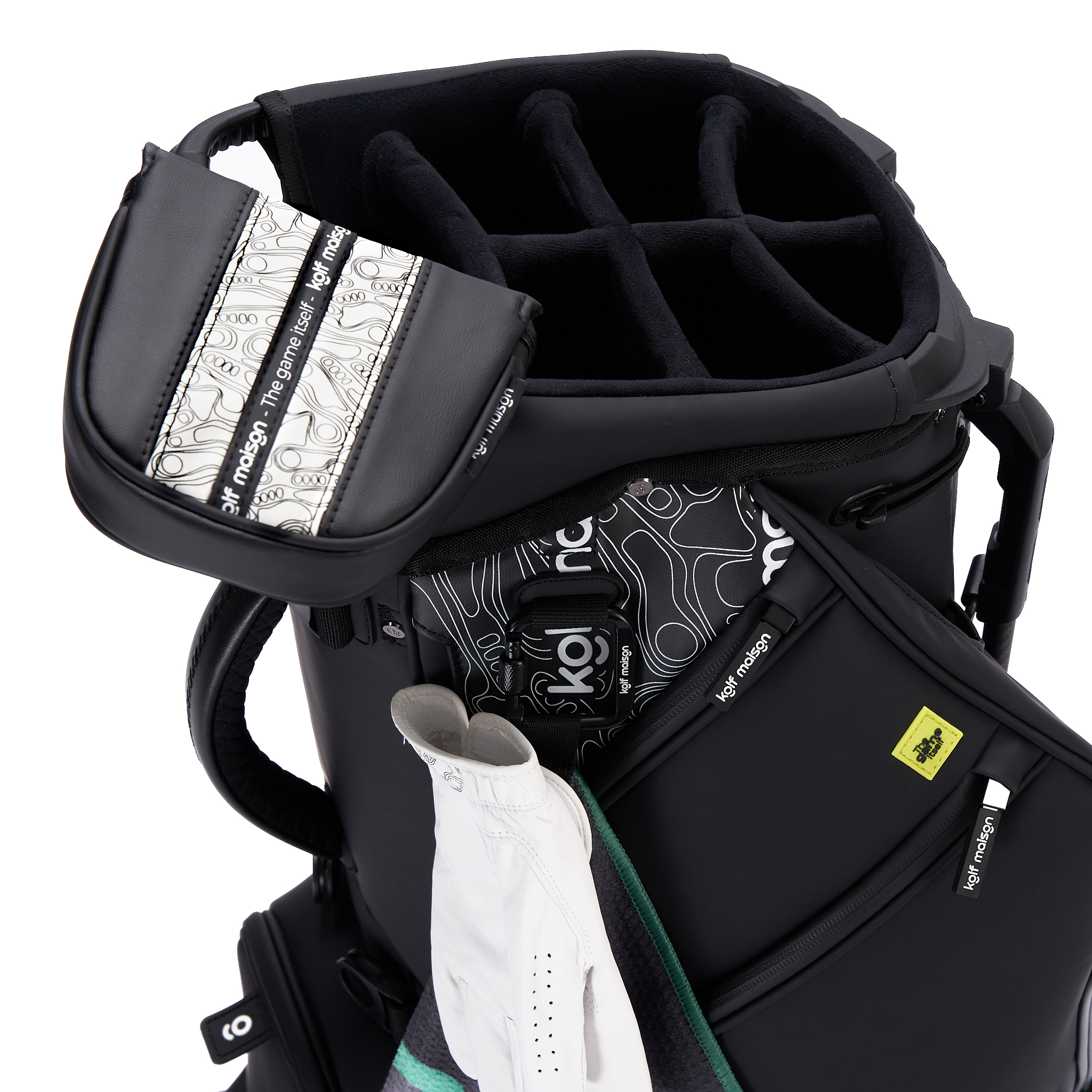
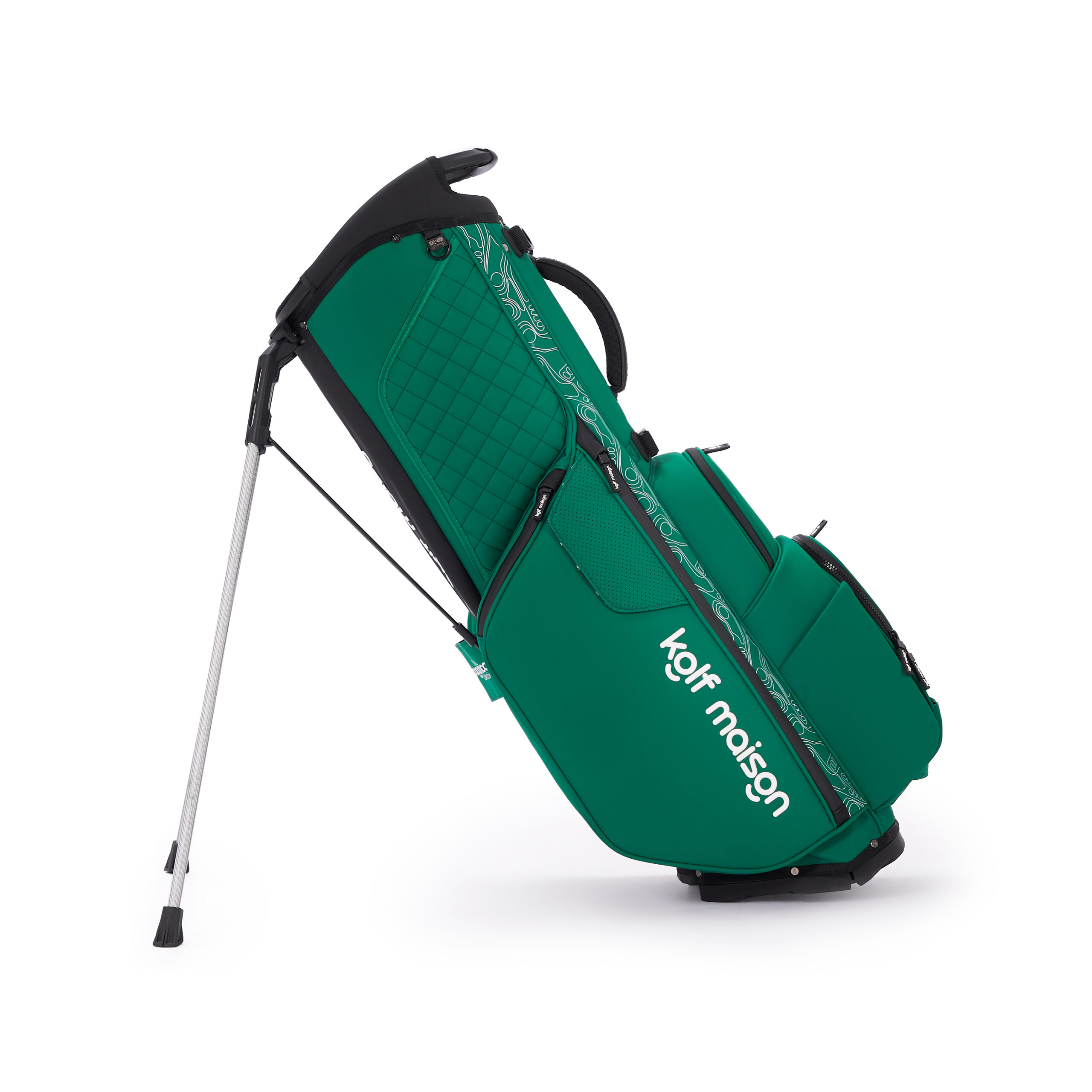
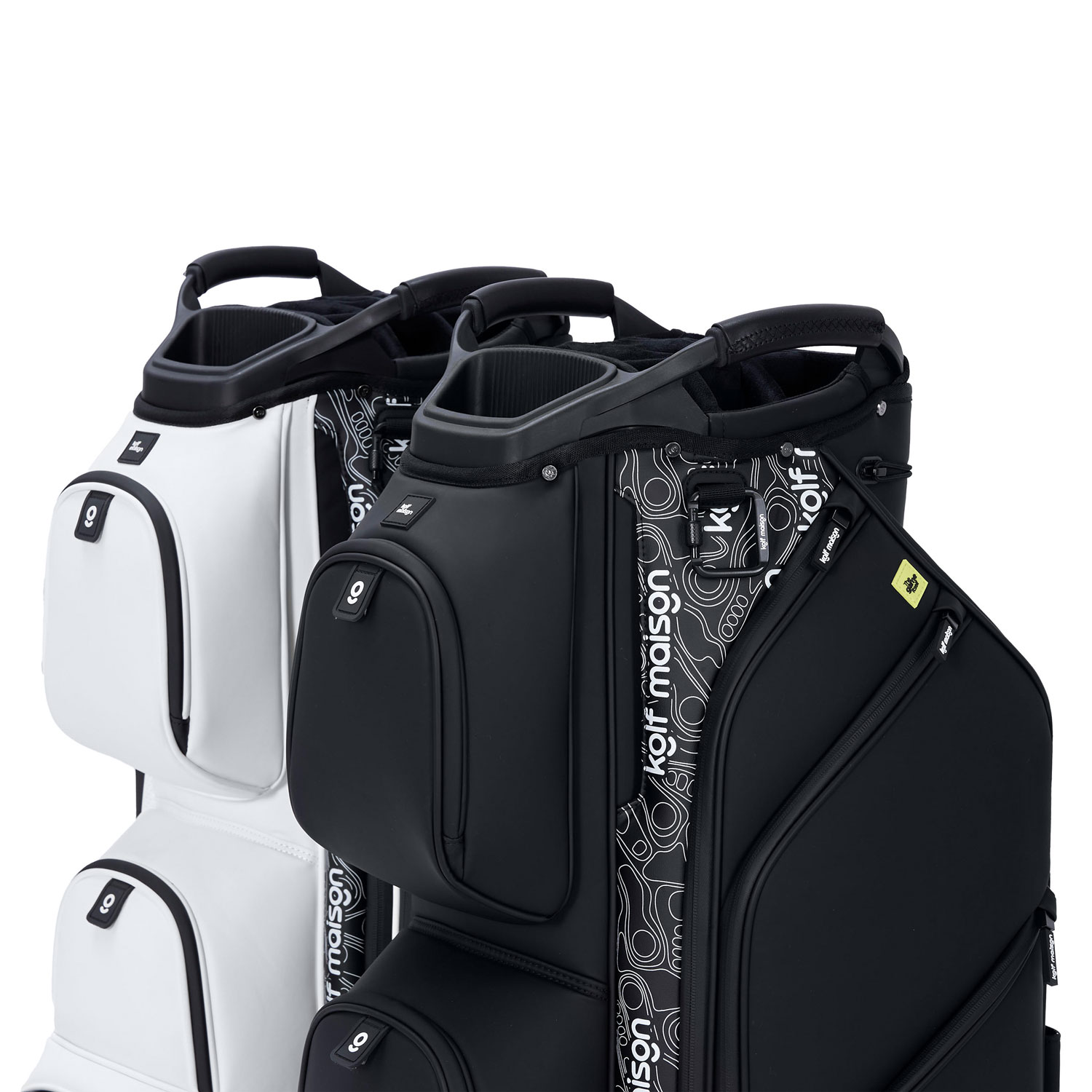
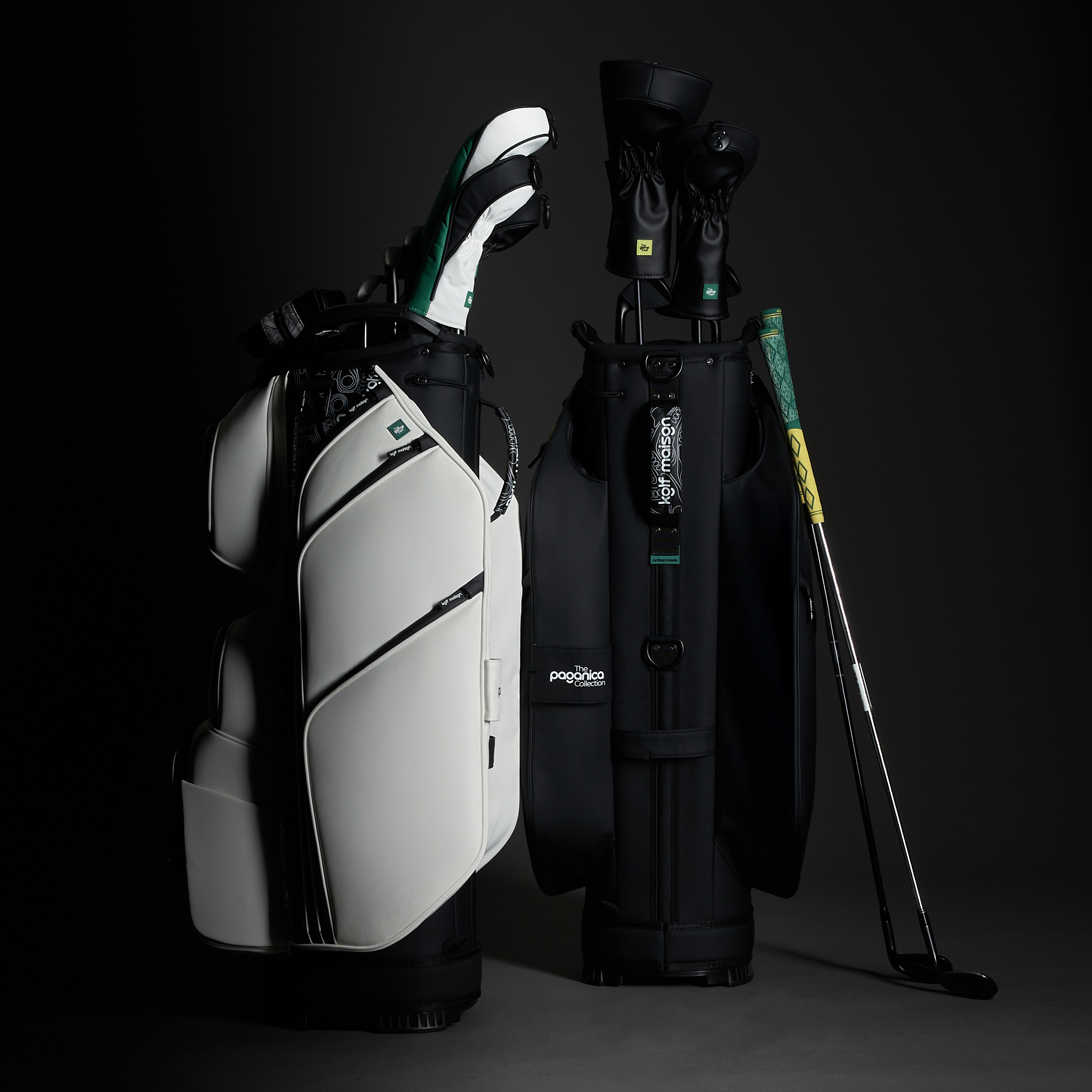
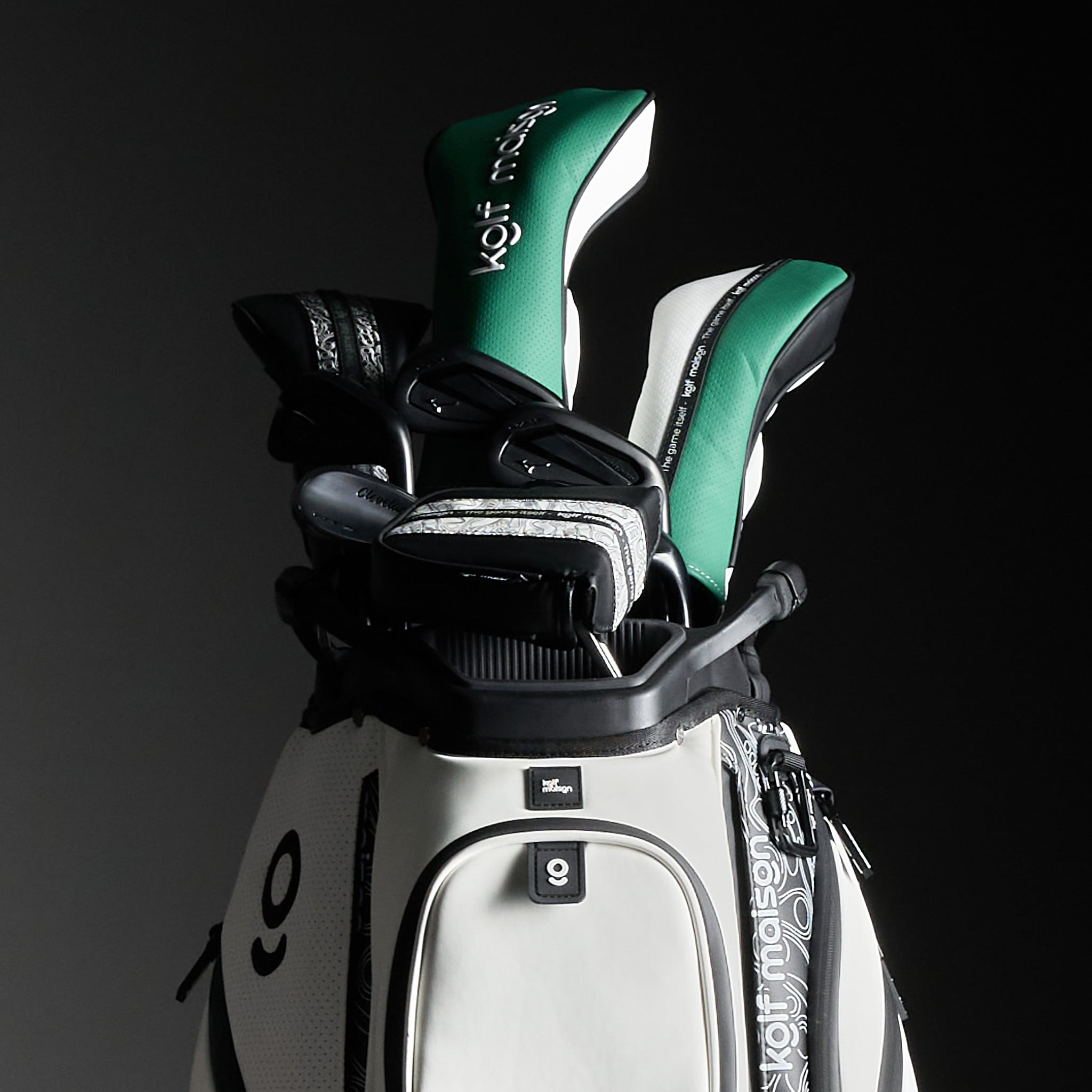
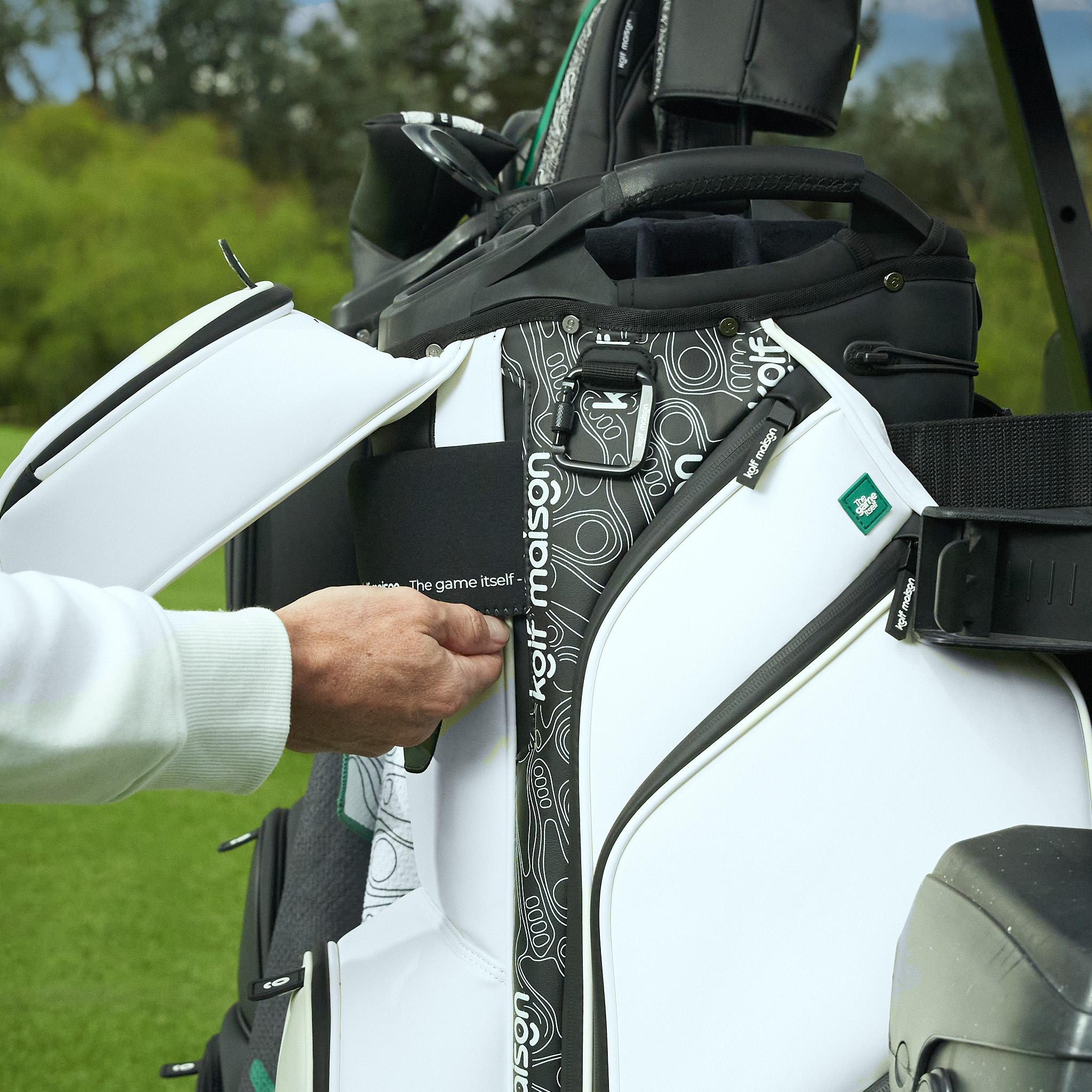
Craftsmanship is not a marketing layer; it is a technical discipline. Considered craftsmanship anticipates wear, reinforces stress points, and prioritizes long-term structural stability over a glossy finish. This is why our bags age with grace. They are not frozen in a “first impression” state; they develop a familiar connection with the golfer without degrading in performance. From the 14-way velvet-wrapped dividers to the carbon fiber stand legs, every component is a deliberate choice for longevity.
Why Considered Brands Do Not Discount
As we have previously explored, discounting is incompatible with intention. A product designed to be correct does not fluctuate in value. Premium brands often discount because their value proposition is elastic; considered brands remain consistent because their value is fixed. At Kolf Maison, there are no promotions because there is no inflation to undo. There is no clearance because there is no speculative excess. This protects the investment of the owner.
Ownership Versus Consumption
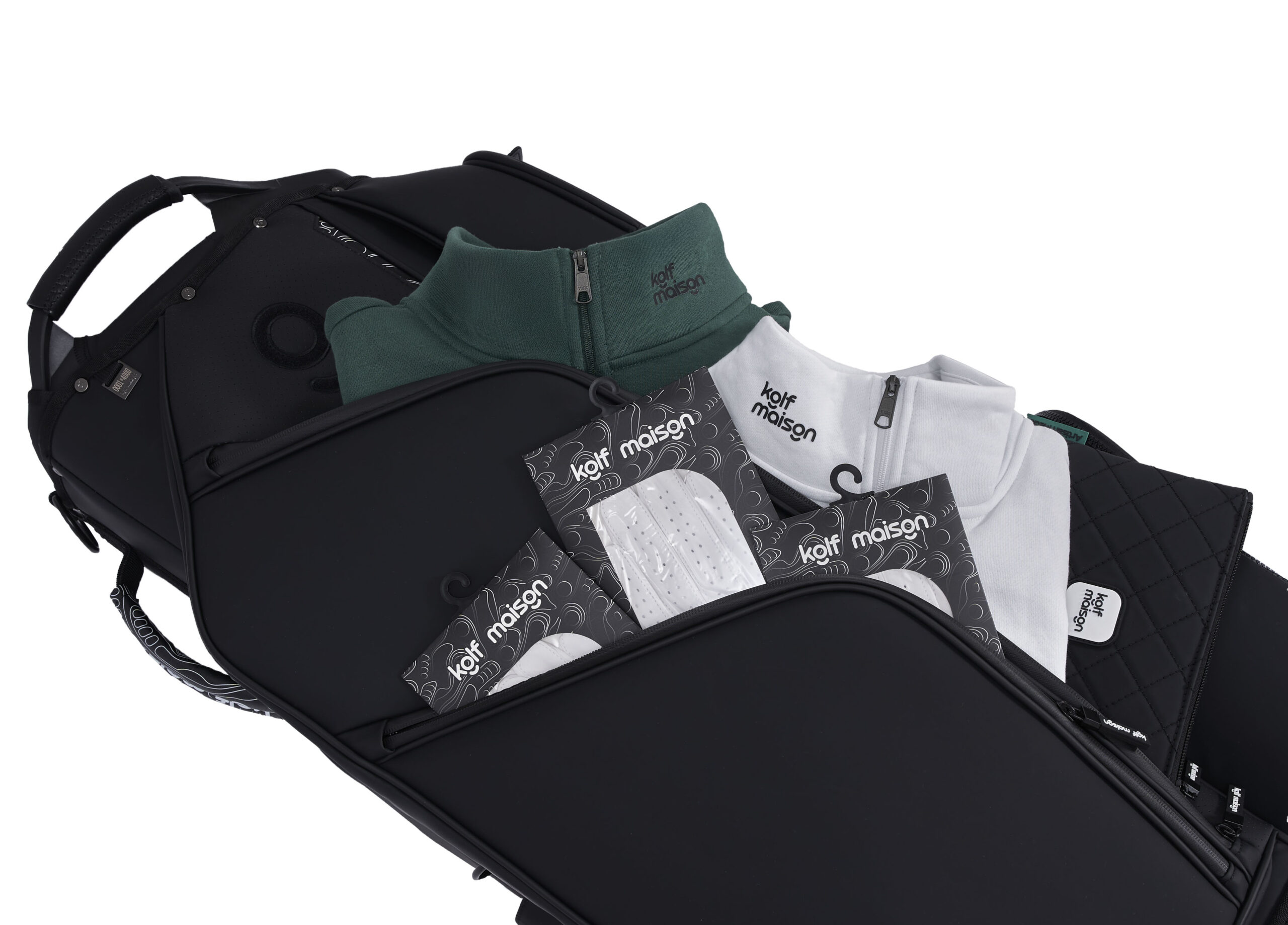
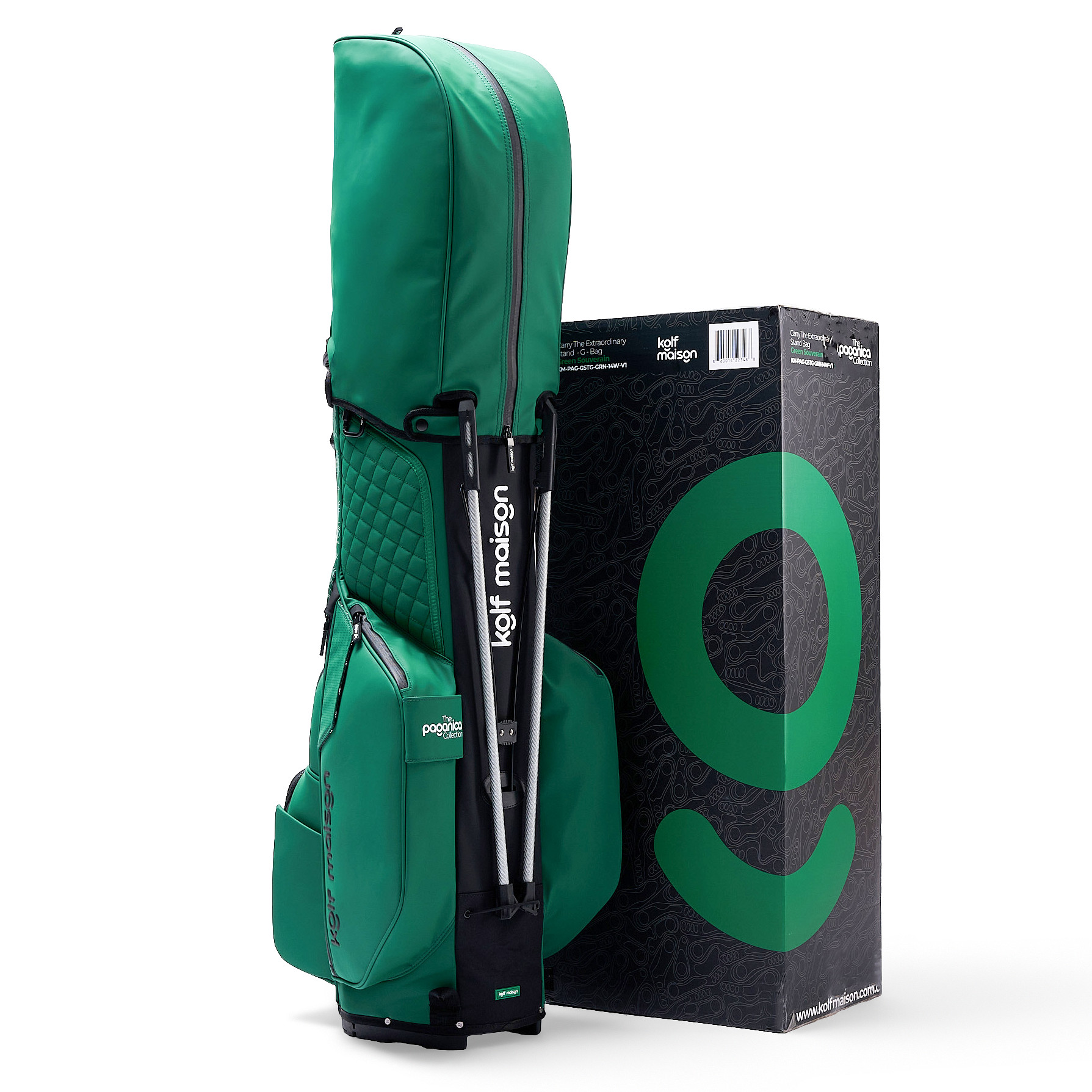
Premium products are often “consumed”—used briefly and replaced easily. Considered products are owned. They are integrated into the golfer’s life and ritual. This experience begins at the first touch, as seen in our commitment to Unboxing the Extraordinary. We set an expectation of permanence from day one.
The Confidence of Choosing Correctly Once
There is a quiet confidence in not needing to upgrade. Premium products invite comparison; considered products end it. Kolf Maison exists to be chosen once—to provide a solution that feels complete and final. This sentiment is echoed in Kolf Maison Reviews, where golfers describe satisfaction through years of use rather than weeks of excitement.
Anyone can apply a “premium” label. Being considered requires the patience to say no to growth that compromises standards. Kolf Maison does not compete in the premium category; it occupies a different position entirely. It does not shout. It does not rush. It simply endures.