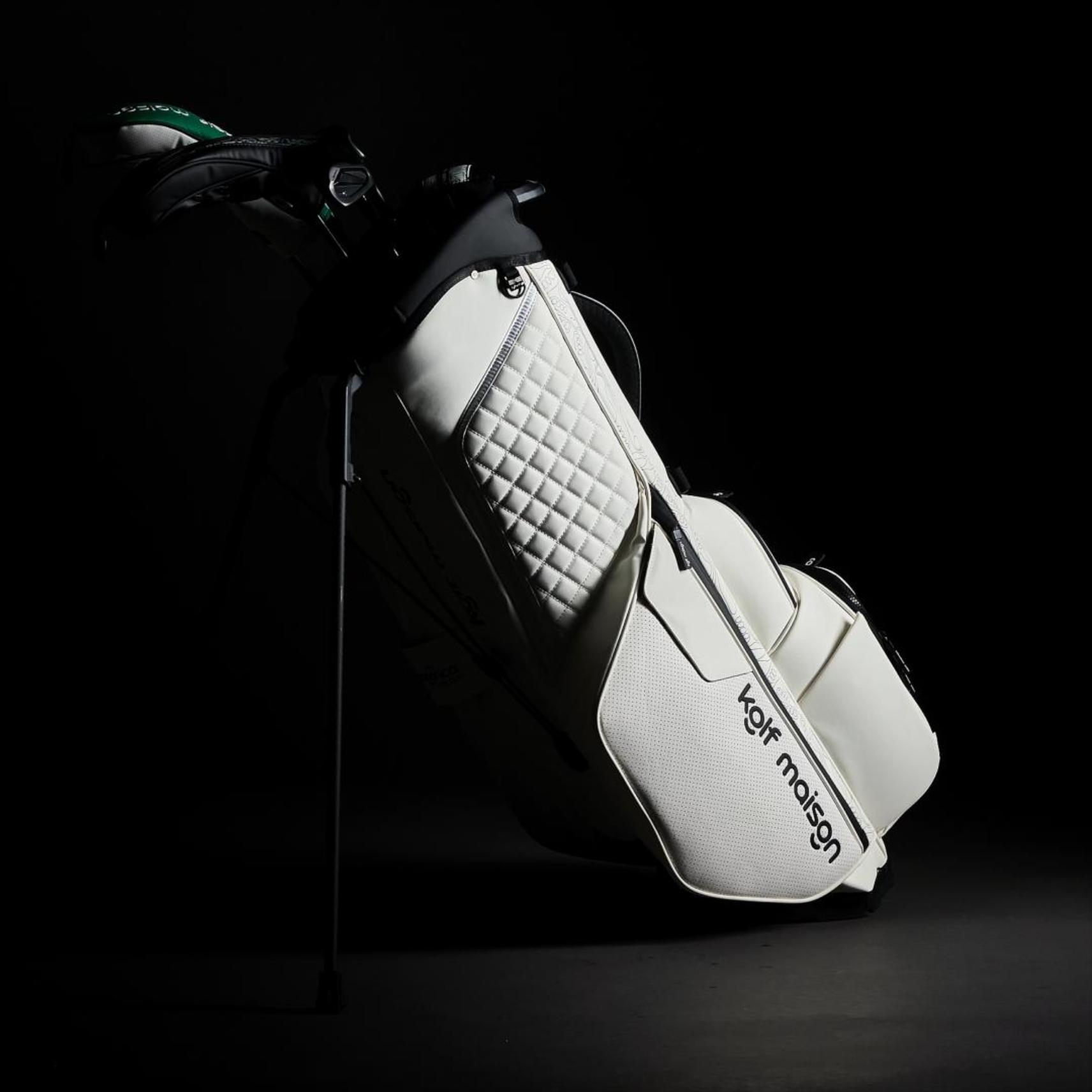
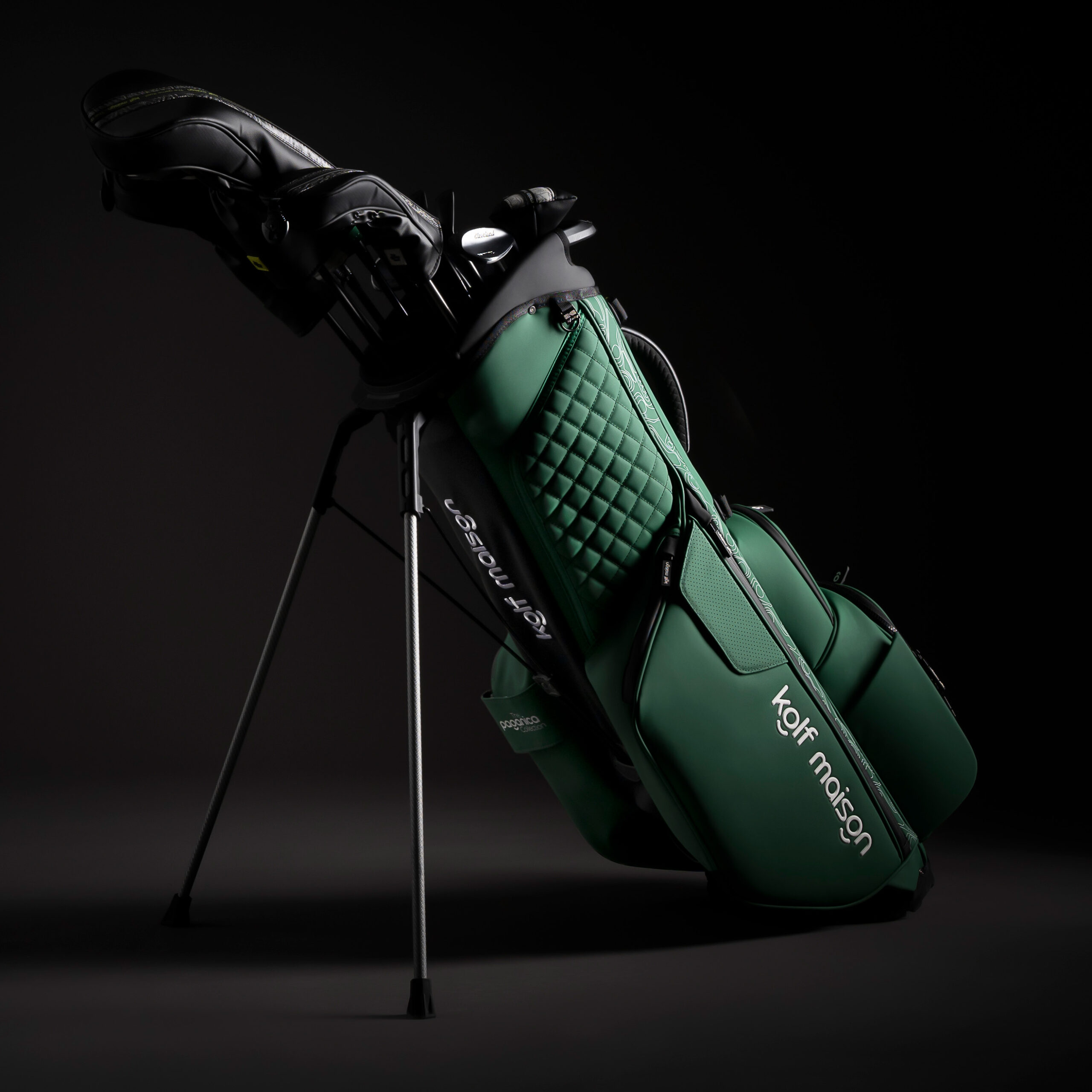
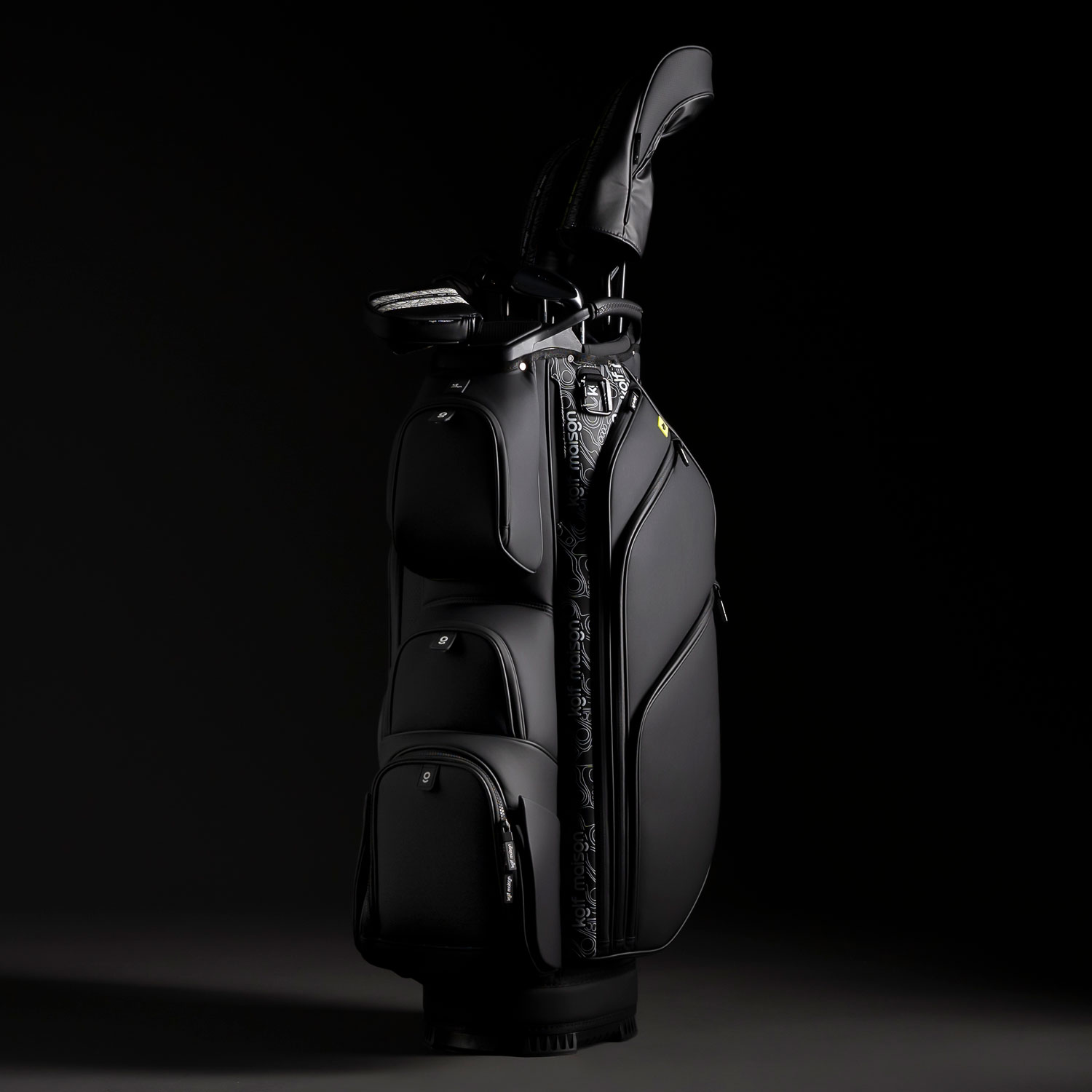
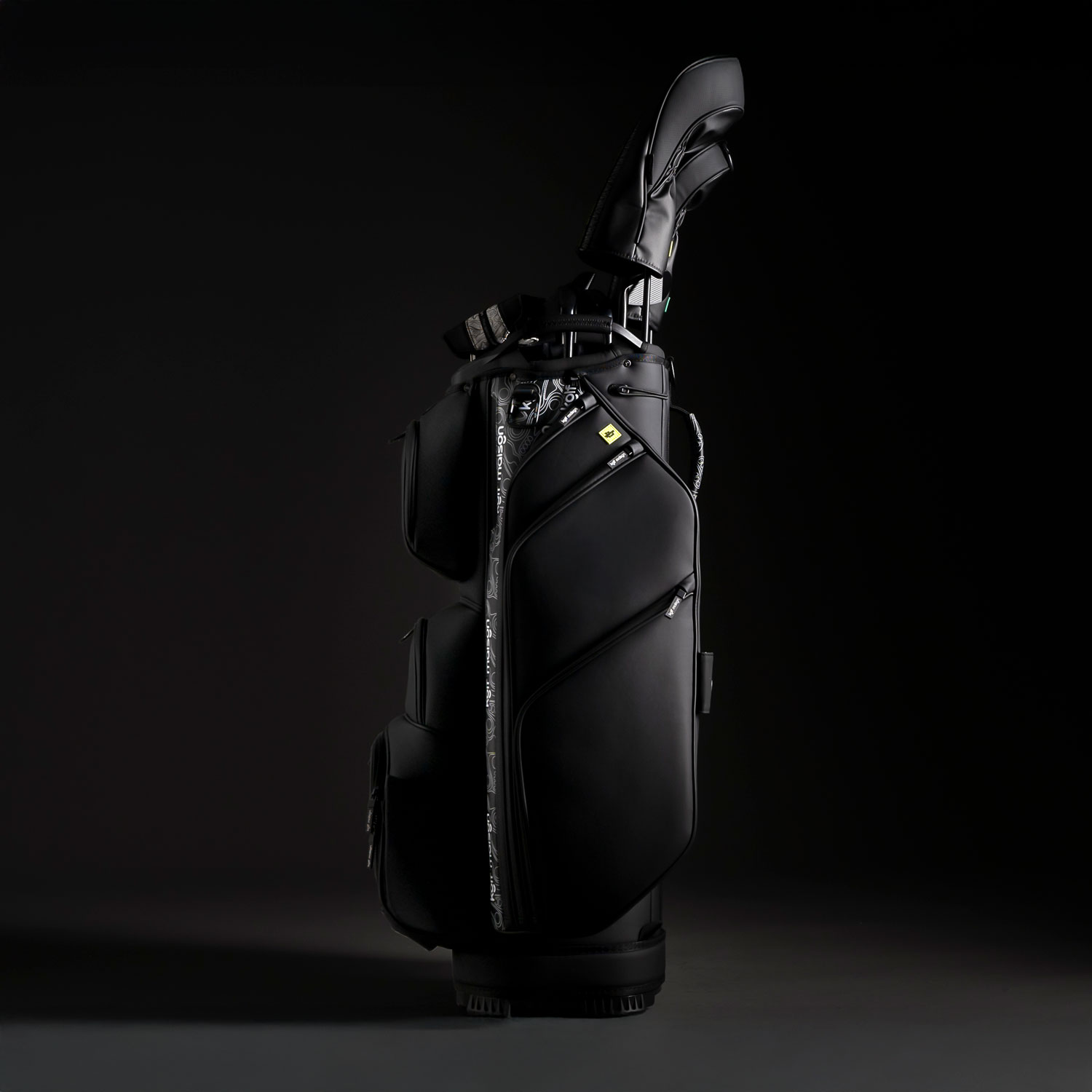
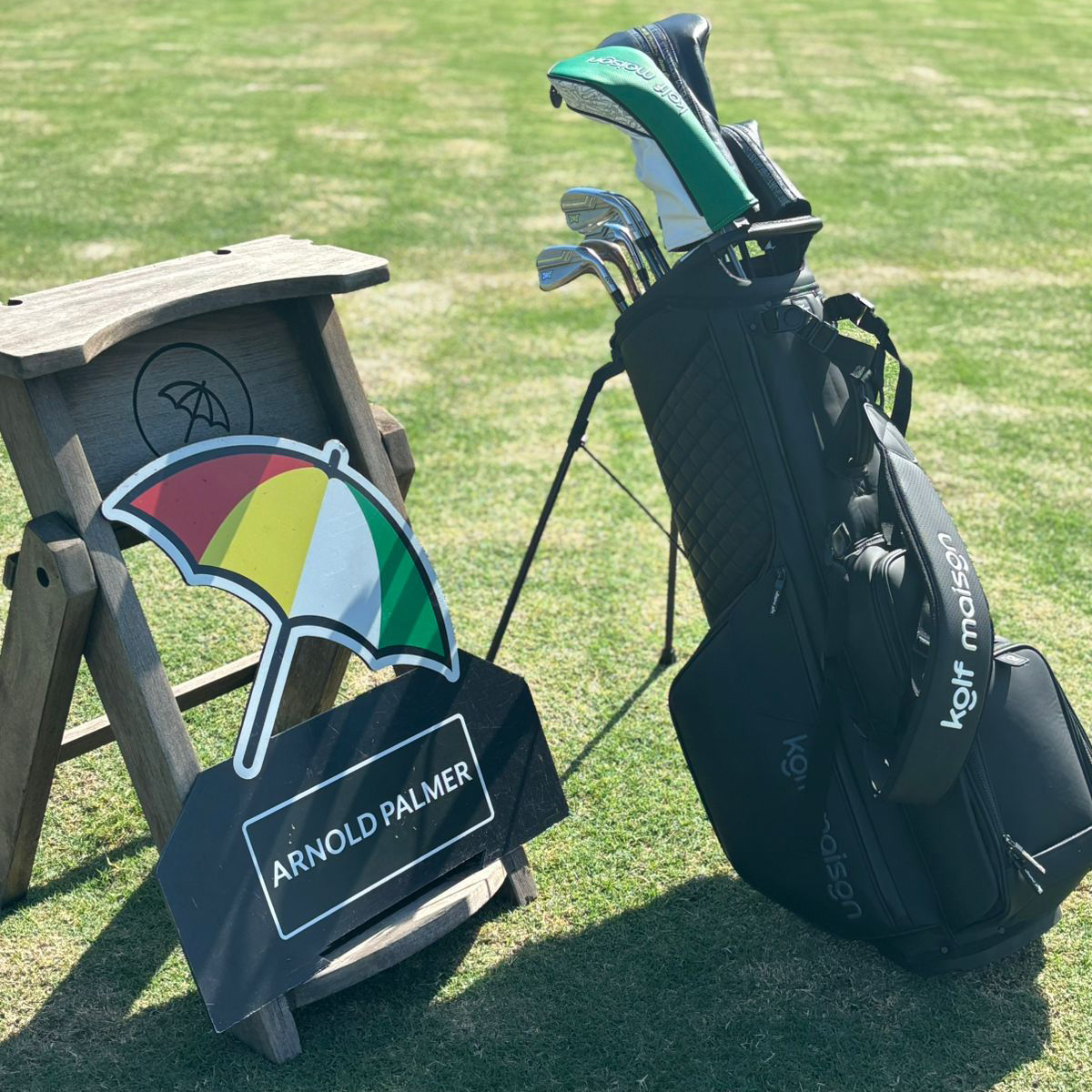
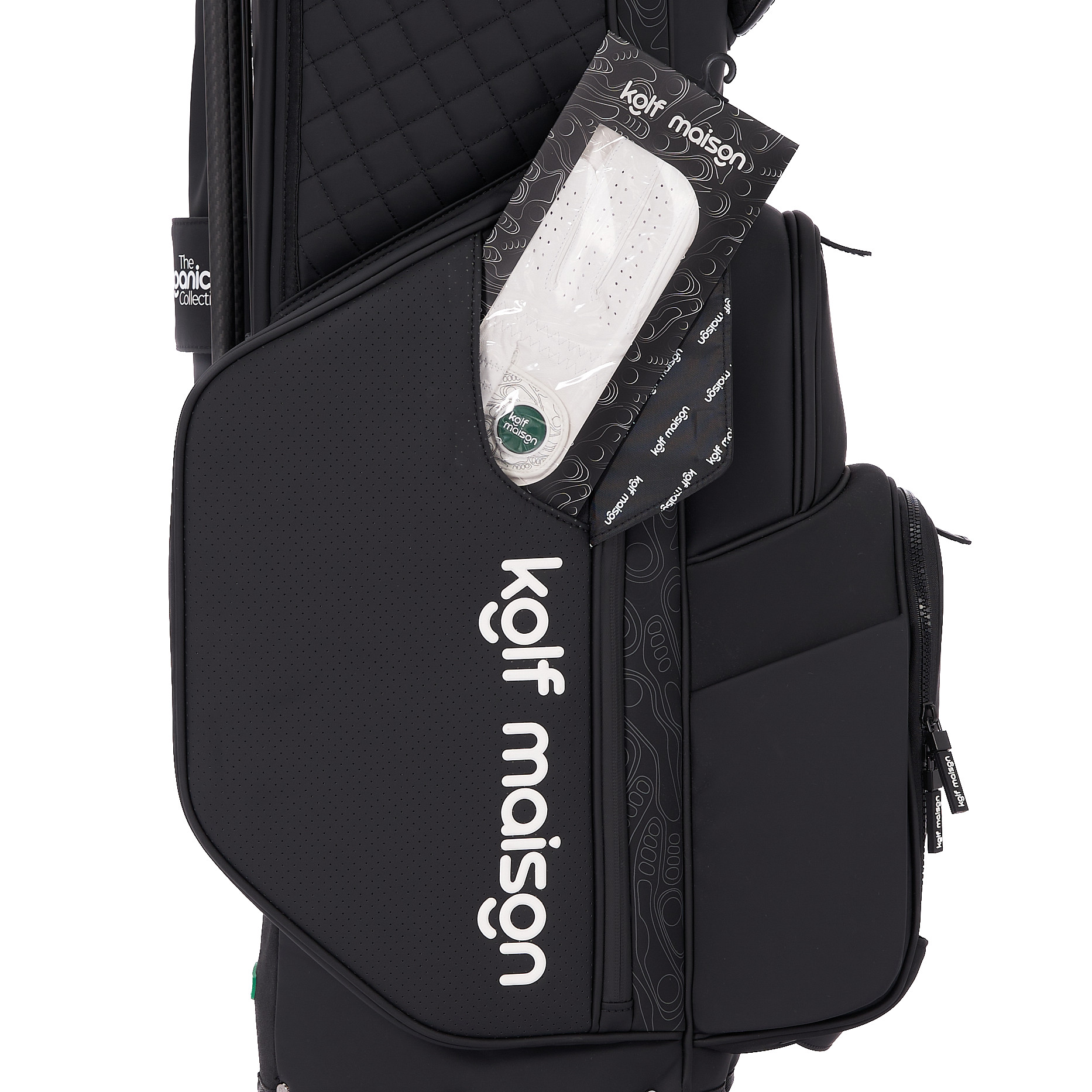
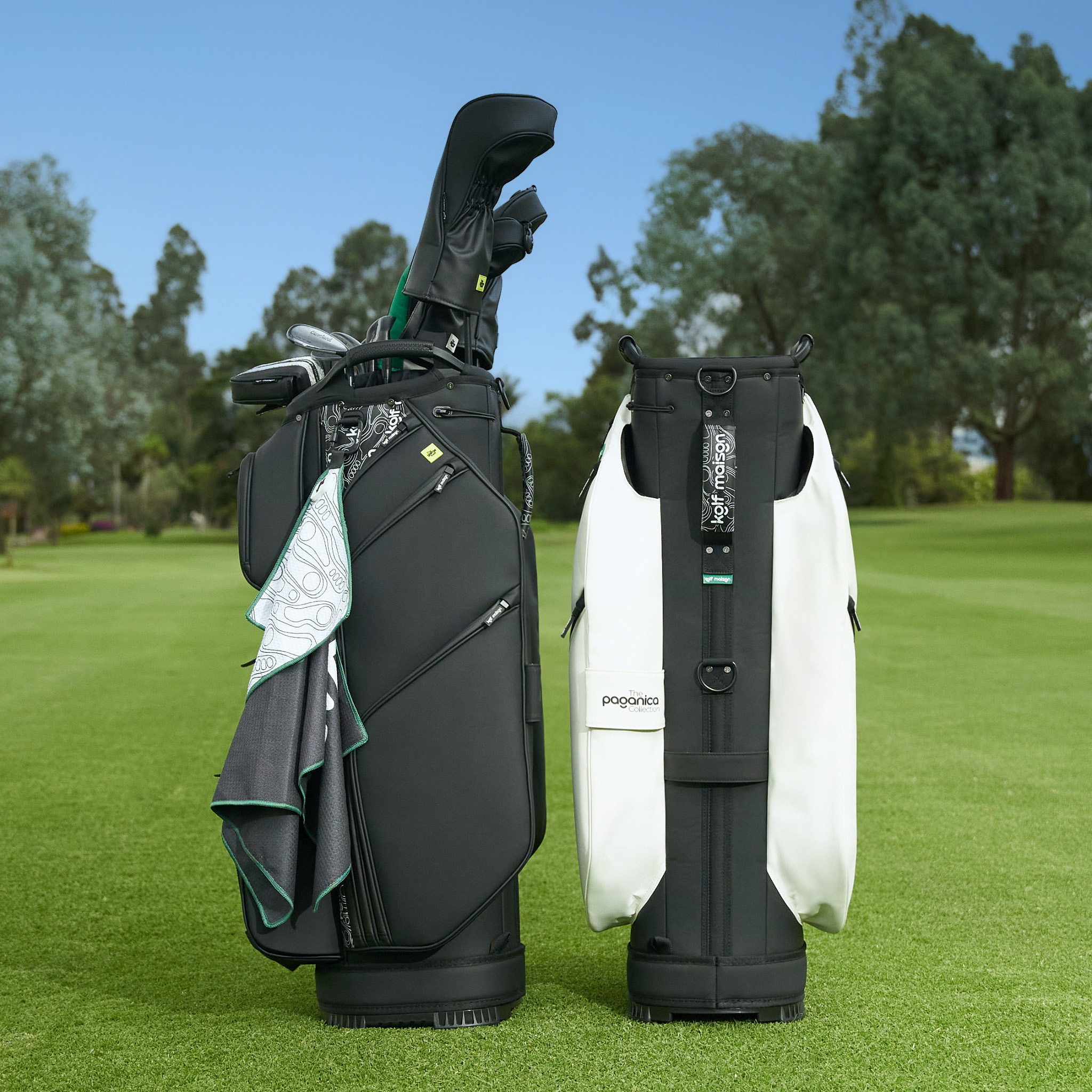
There is a particular kind of silence that only exists at the beginning of a golf journey. It is not the silence of a room. It is the silence of anticipation, of decisions already made, of a tee time secured long before the rest of the world even realized it wanted the same thing. In a season when golf travel is louder than ever, the most discerning players are moving in the opposite direction. They are traveling with less friction, fewer compromises, and a sharper sense of ritual.
The surprise is this. The modern luxury golf trip is no longer defined by excess. It is defined by intent. The best journeys are curated like a well set bag, nothing accidental, nothing noisy, nothing that distracts from the game itself. From the first zip of a travel cover to the first step onto dew bright turf, every detail either preserves focus or steals it. Quiet luxury in golf travel is simply the refusal to let the unnecessary touch the essential.
In 2025, the world is full of options. New resorts appear with cinematic promise. Airlines refine premium cabins. Clubs modernize their visitor experiences. Technology can map, book, translate, and recommend. Yet the highest form of travel remains stubbornly human. A well chosen walking course at daybreak. A caddie who understands pace and mood. A clubhouse where time seems to move differently. And the private satisfaction of arriving with equipment that feels like an extension of your own standards, not a compromise to be tolerated.
This guide explores the key luxury golf travel trends shaping 2025, while staying anchored in what never changes. The game rewards clarity. The journey should do the same.
For the broader travel context, the International Golf Travel Market has highlighted themes shaping demand, including wellness on the fairway, sustainability, technology driven personalization, and a growing appetite for immersive luxury experiences. You can explore their view of these shifts via the IGTM overview of golf travel trends.
Why Luxury Golf Travel in 2025 Is Becoming More Intentional
Luxury golf travel used to be judged by the obvious metrics. The exclusivity of the club. The star rating of the resort. The length of the itinerary. Those signals still matter, but they are no longer the center of gravity. Today, the most sophisticated travelers are optimizing for something subtler: continuity of experience. They want the feeling of the trip to match the feeling of their game.
That continuity begins with pacing. Shorter trips are being designed to feel deeper, not rushed. One immaculate course, one exceptional dinner, one morning devoted to a proper warm up, and a second round that is played with the calm focus that only comes when logistics have vanished from the mind.
It also begins with recovery. Wellness is not a spa brochure line. It is a performance tool. Travelers are prioritizing sleep quality, mobility, and nutrition because a body that feels stiff and under hydrated will not deliver the same tempo. A luxury trip that leaves you exhausted is simply an expensive form of sabotage.
Sustainability, too, is shifting from virtue signaling to discernment. The best properties are proving that stewardship and luxury can coexist. Thoughtful water management, local sourcing, and reduced waste are not a downgrade. They are a sign of intelligence. Golf, after all, is played on living landscapes. A traveler who loves the game learns to respect the ground it lives on.
Then there is the quiet revolution of personalization. Artificial intelligence can help with recommendations, but the truly valuable personalization still comes from human context. The tee time that matches your internal clock. The course sequence that builds confidence rather than breaking rhythm. The lodging that supports silence when you need silence, and warmth when you want company. Technology can assist, but taste must lead.
To understand the wider structure of the modern game, and the frameworks that keep it coherent across continents, it is worth bookmarking authoritative sources like The R&A official site and the USGA Rules hub. Even when you never open the pages on the road, there is comfort in knowing the game is held to a standard wherever you land.
Featured Snippet Answer
The best way to travel with golf clubs is to secure them in a purpose built travel cover that stabilizes the bag, protects the club heads, and keeps the load easy to maneuver through airports and transfers, then pack shoes and accessories in separate compartments to prevent shifting and scuffing during transit.
That answer is practical, but the deeper point is psychological. When your equipment is protected, your attention stays where it belongs. When it is not, the mind starts bargaining with risk. Will the driver survive baggage handling. Did the iron faces get nicked. Is the putter safe. Uncertainty is a tax on presence, and presence is the real luxury.
The New Prestige Itinerary: Wellness, Links, and Immersion
Some destinations are designed for spectacle. Others are designed for memory. In 2025, luxury golf travelers are leaning toward the second. The goal is no longer to collect rounds like souvenirs. It is to experience a place through the game, and to let the game feel shaped by place.
Links golf remains the purest example. It is not merely golf by the sea. It is golf as conversation with wind, firmness, and imagination. The shot choices are not dictated by glossy turf but by the ground itself. When people talk about golf as a craft, links golf is what they mean. It is also why Scotland retains a gravitational pull that never fades.
Imagine a morning in Fife. Light moving across dunes. A practice swing that feels like a small promise. The first tee is not a stage, it is a threshold. The official home base for that experience is not a myth but a real place with a real schedule, and you can orient your planning through St Andrews Links official site.
What makes a journey like this feel luxurious is not the volume of experiences. It is the absence of friction. Travelers are building itineraries around three pillars: recovery, immersion, and rhythm.
Recovery means more than stretching. It means choosing accommodation that supports sleep, calm, and a sense of enclosure. It means leaving enough space between arrival and the first round so the body can settle. It means respecting the fact that a long haul flight can steal more from performance than any bunker ever will.
Immersion means allowing the destination to shape the day. A coastal walk when the wind is sharp. A local meal that feels honest rather than performative. A visit to a clubhouse where history is not marketed but simply present. For some travelers, immersion includes timing a trip around a major or a heritage venue. When the calendar matters, the authoritative lens is best found at The Open official site, where the championship is framed not as spectacle but as part of the game’s long memory.
Rhythm is the rarest pillar because it requires discipline. Luxury is often tempted to overbook itself. The better approach is to protect the cadence that produces good golf. Morning warm up. A single focused round. A quiet recovery window. Then a dinner that feels earned, not rushed. The next day, the body and the mind feel ready to repeat the ritual rather than recover from it.
The Rise of Quiet Luxury Packing
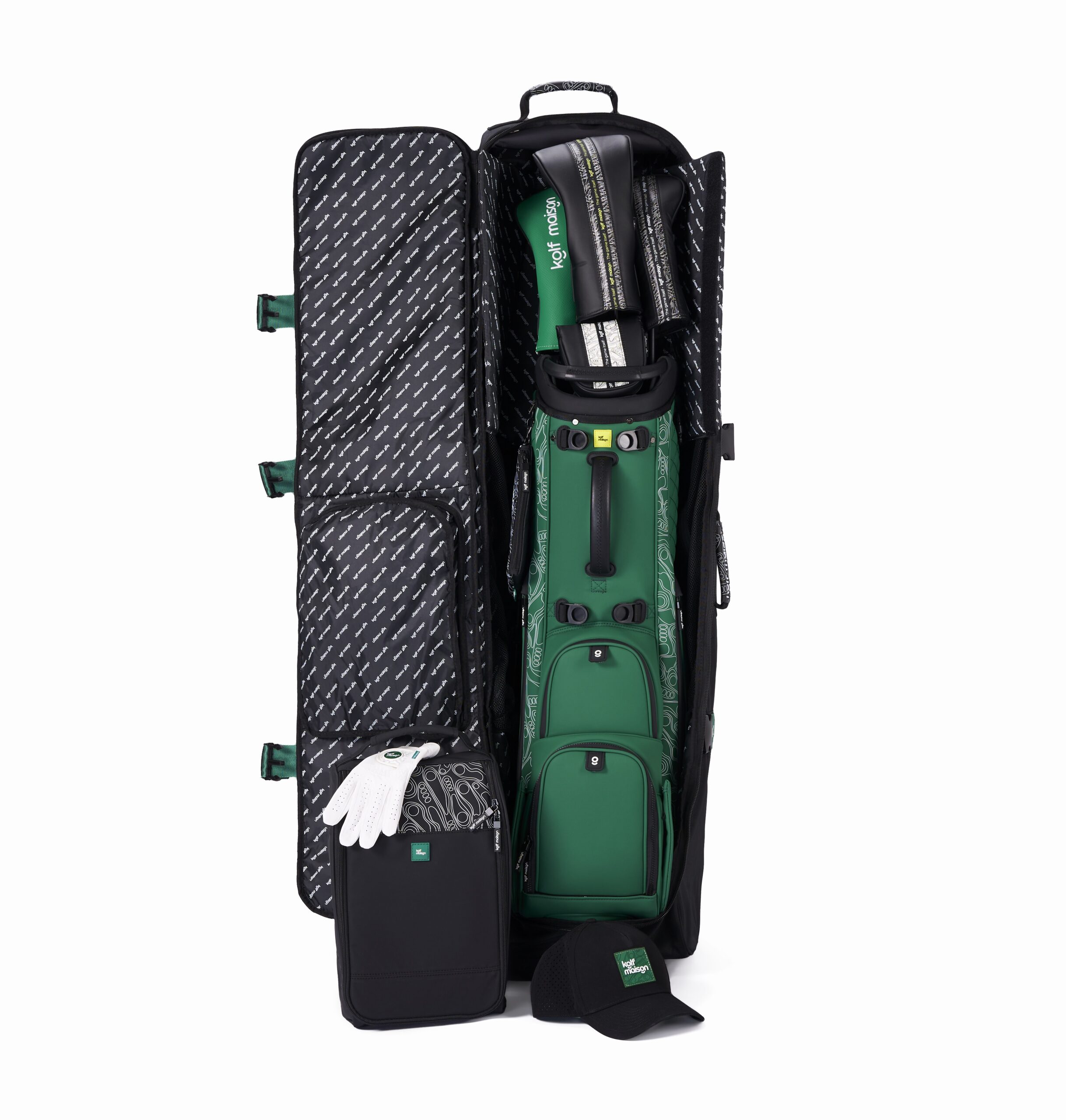
Packing is where many golf trips reveal their true nature. The loud trip is over packed and under planned. The quiet trip is the opposite. In that quiet approach, every item has a role. Every surface is protected. Every handle and zipper is considered. The bag is not just a container. It is a system that preserves readiness.
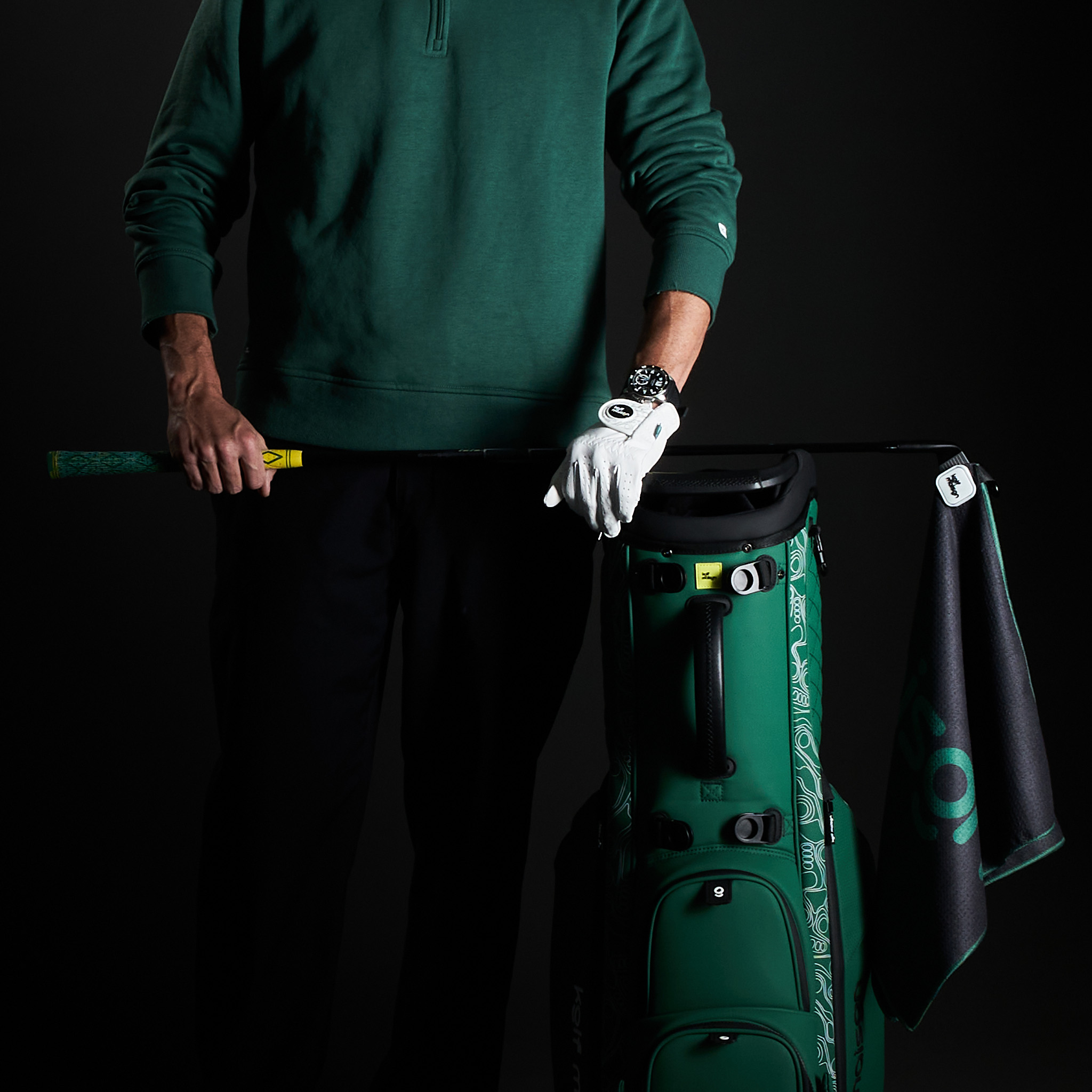
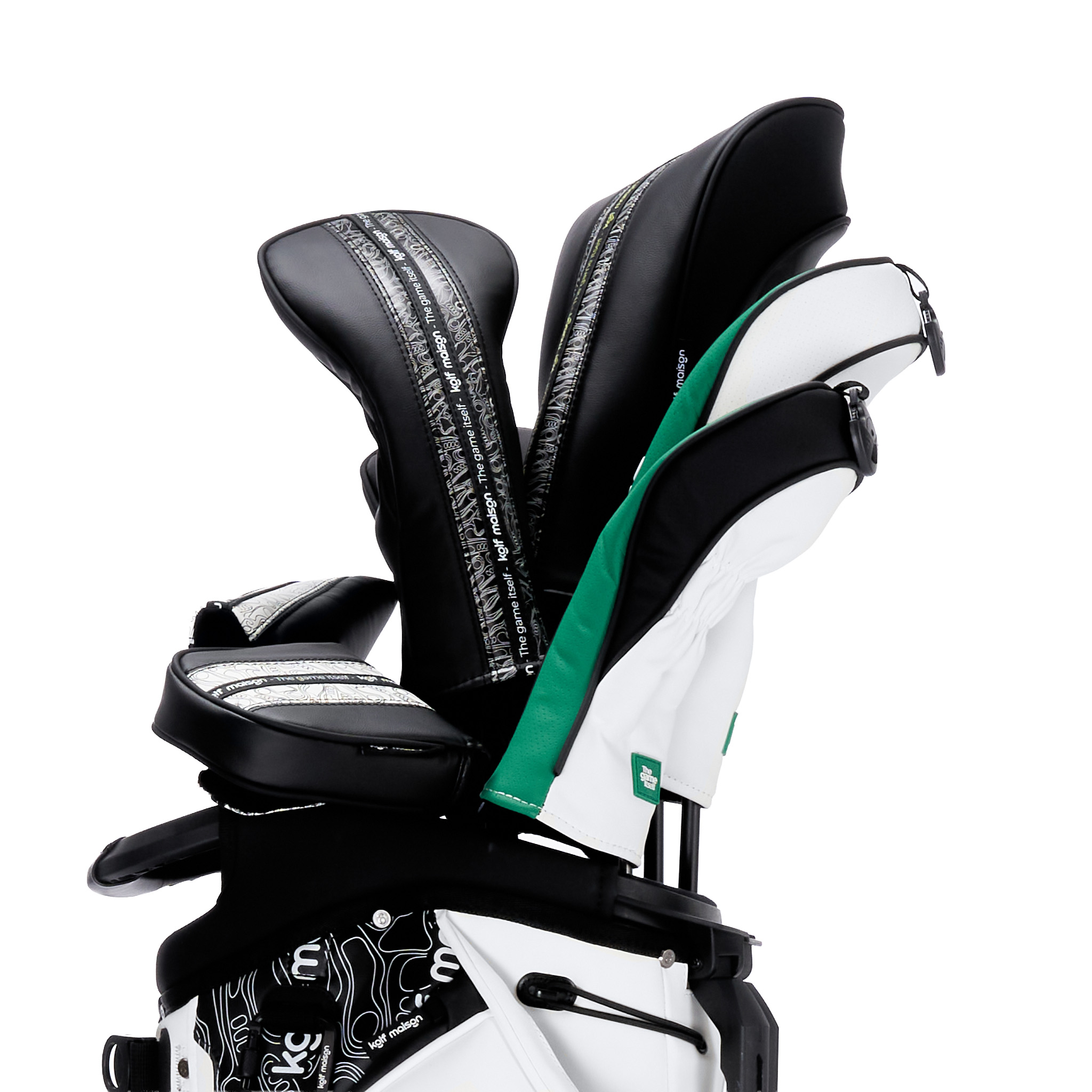
This is where intentional equipment choices become part of the travel philosophy rather than a shopping decision. A premium glove matters because tactile confidence travels with you. A properly balanced golf bag matters because fatigue accumulates across consecutive days. A travel cover matters because it protects the investment you have made in your game, and it prevents anxiety from entering the first tee box.
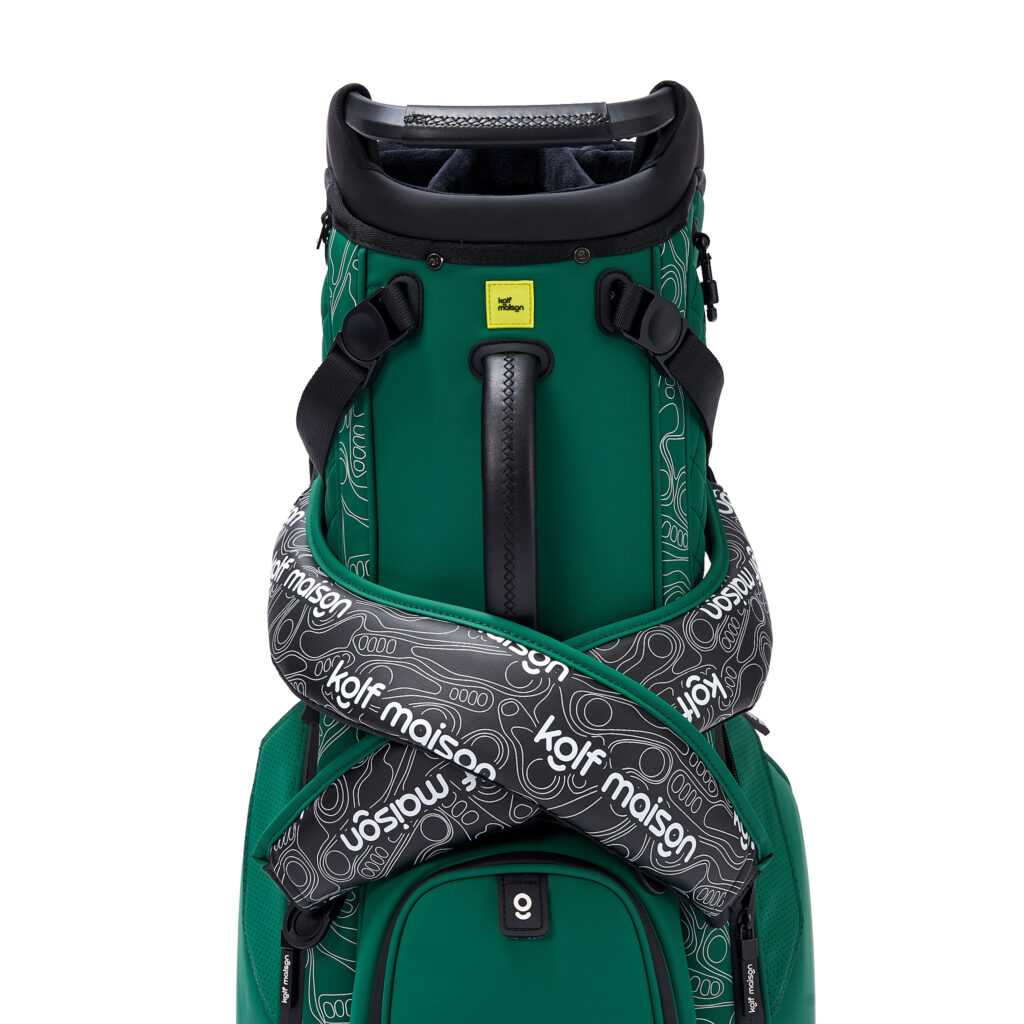
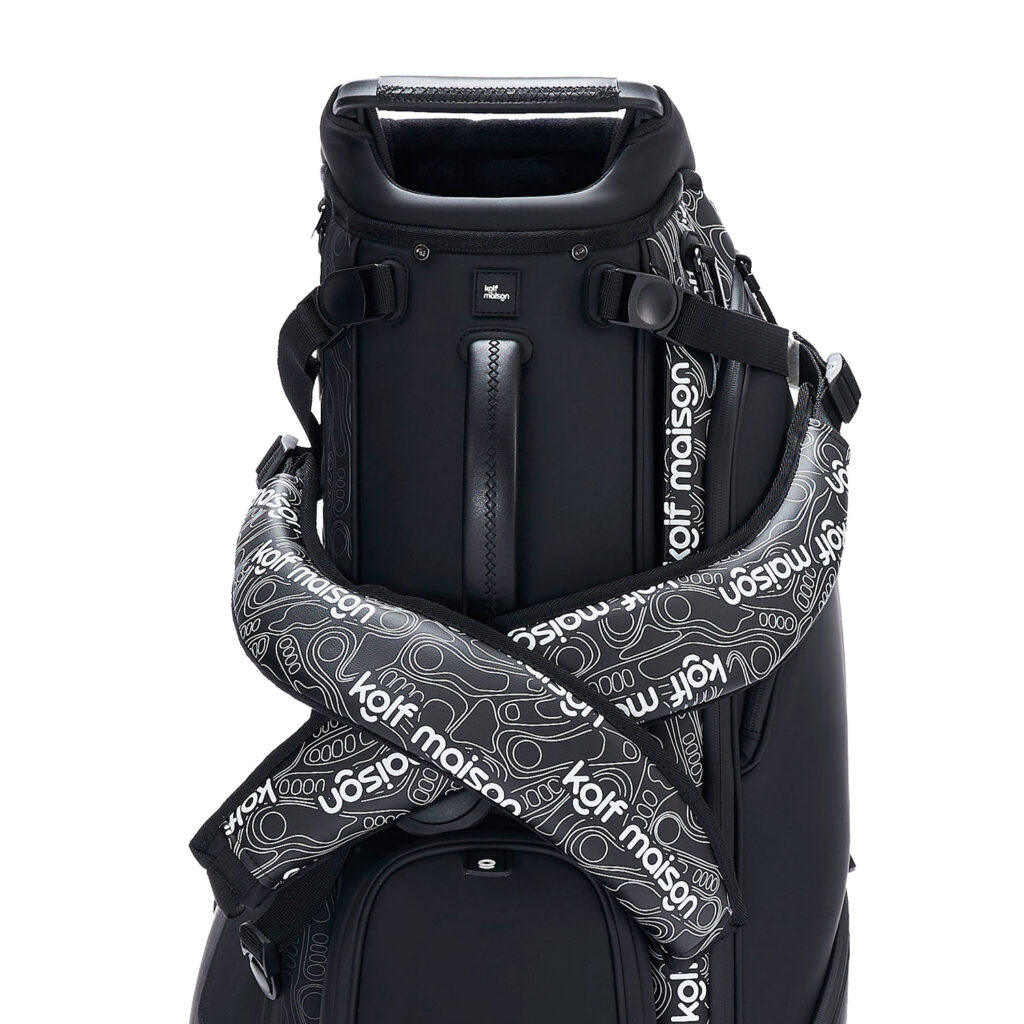
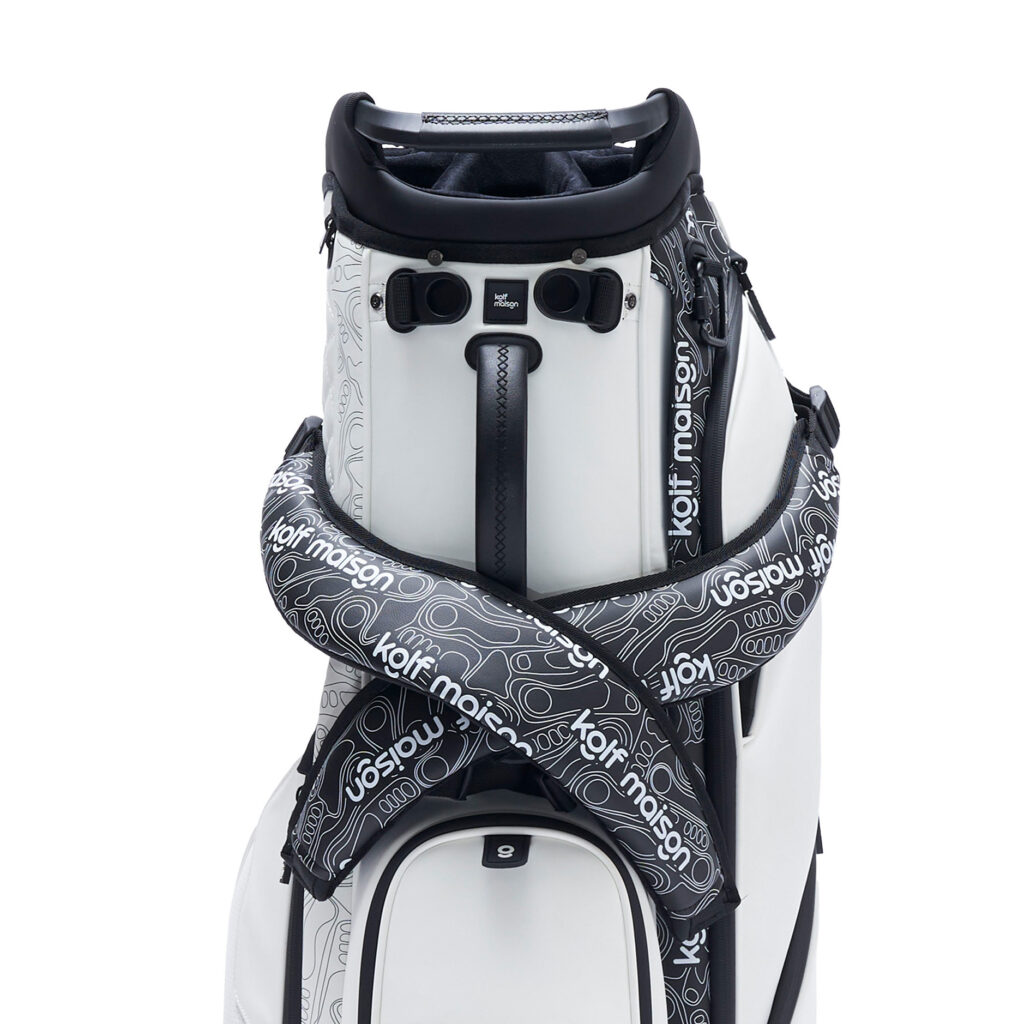
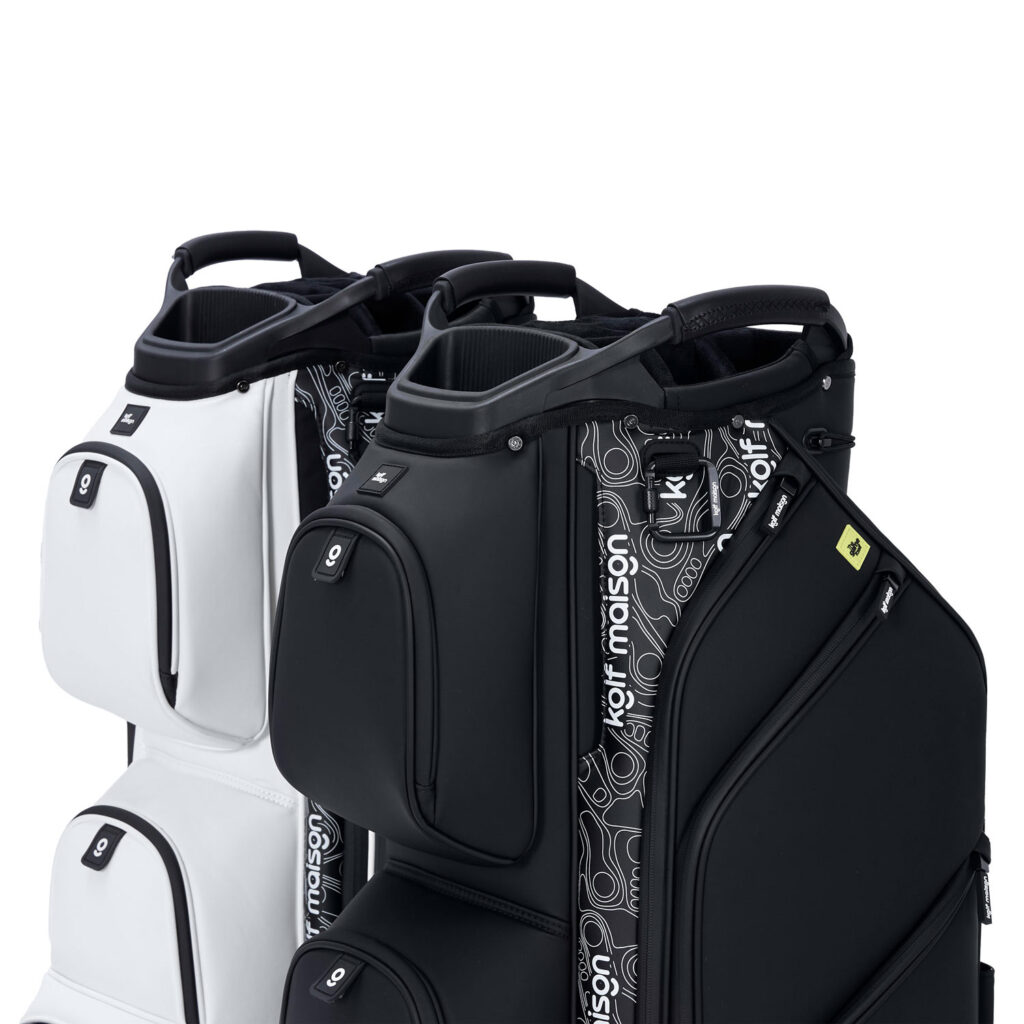
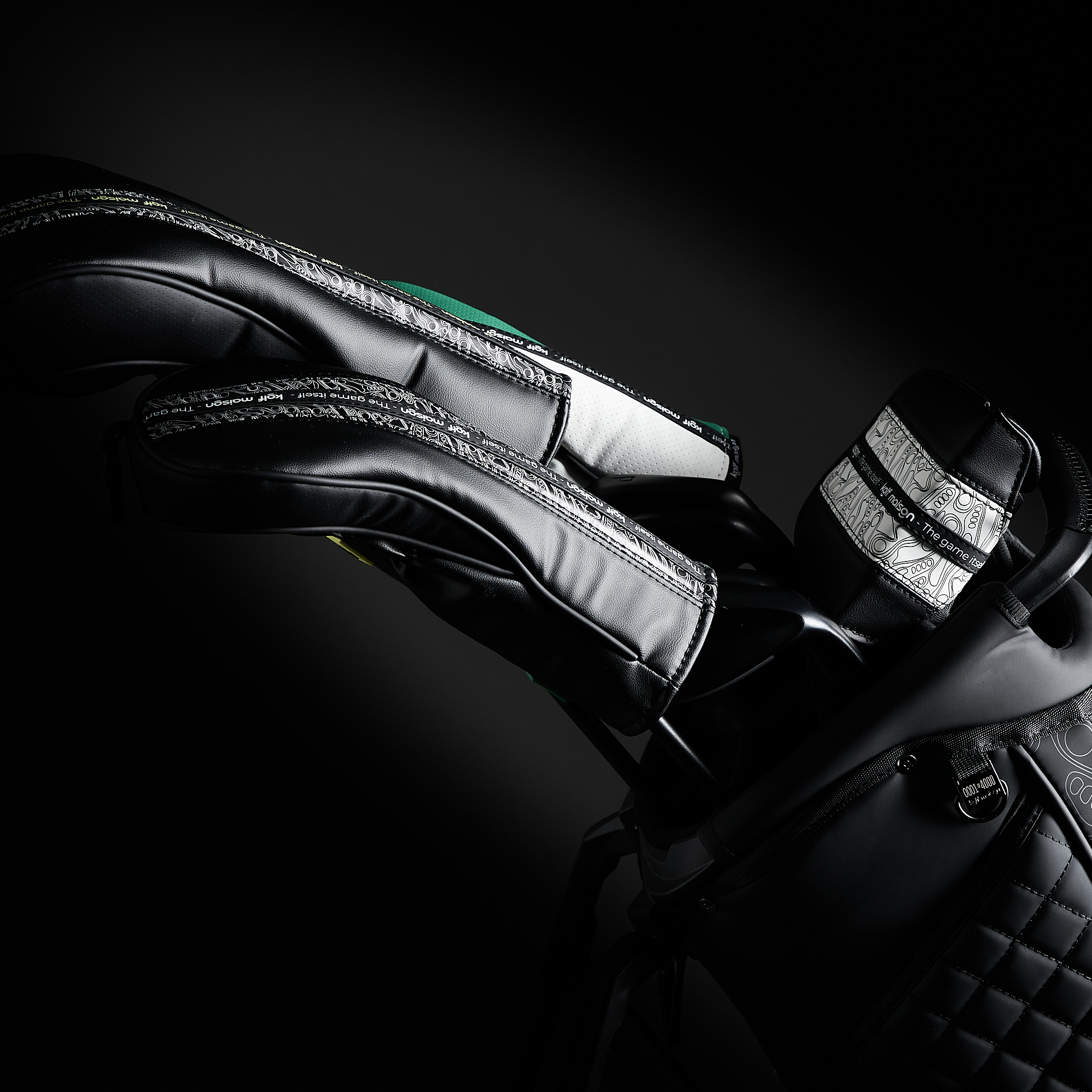
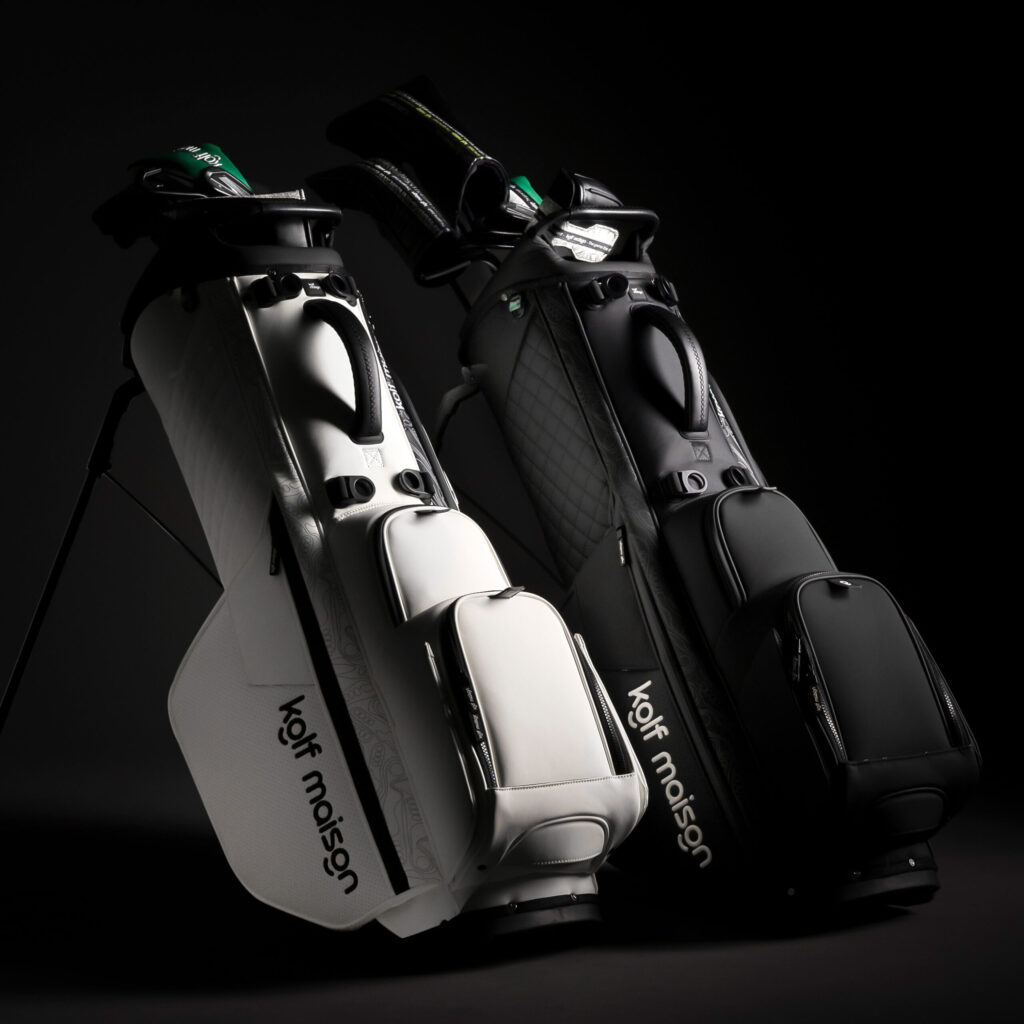
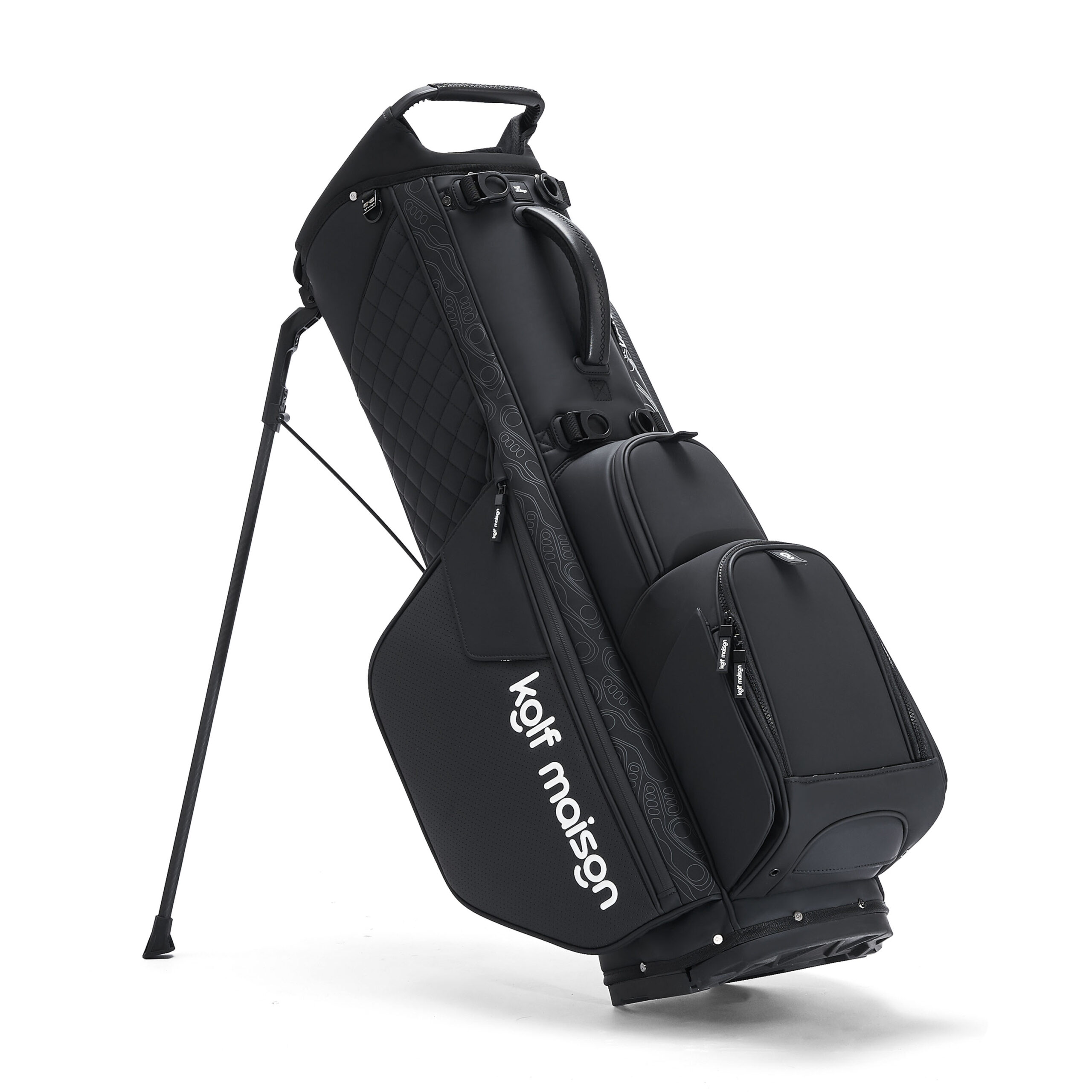
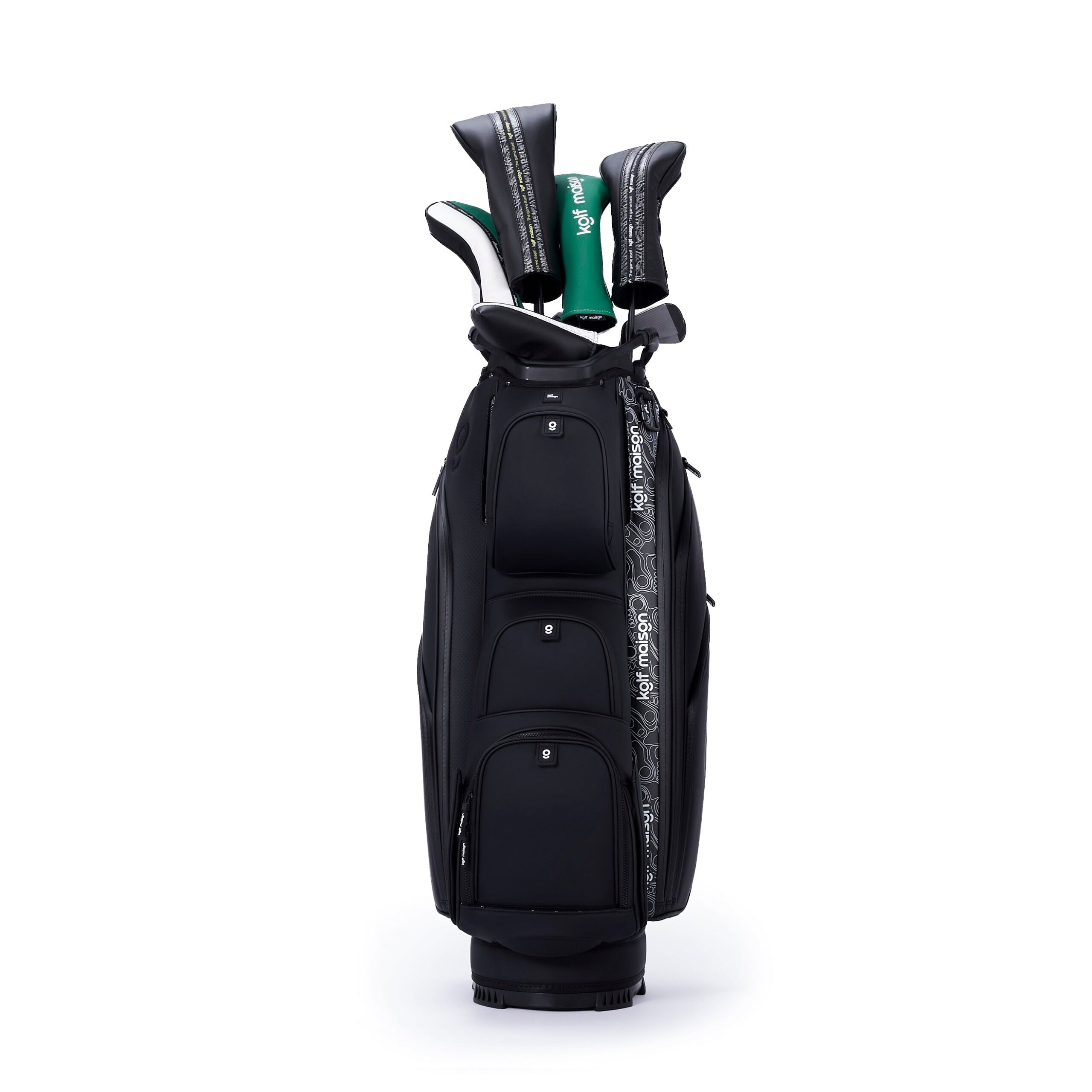
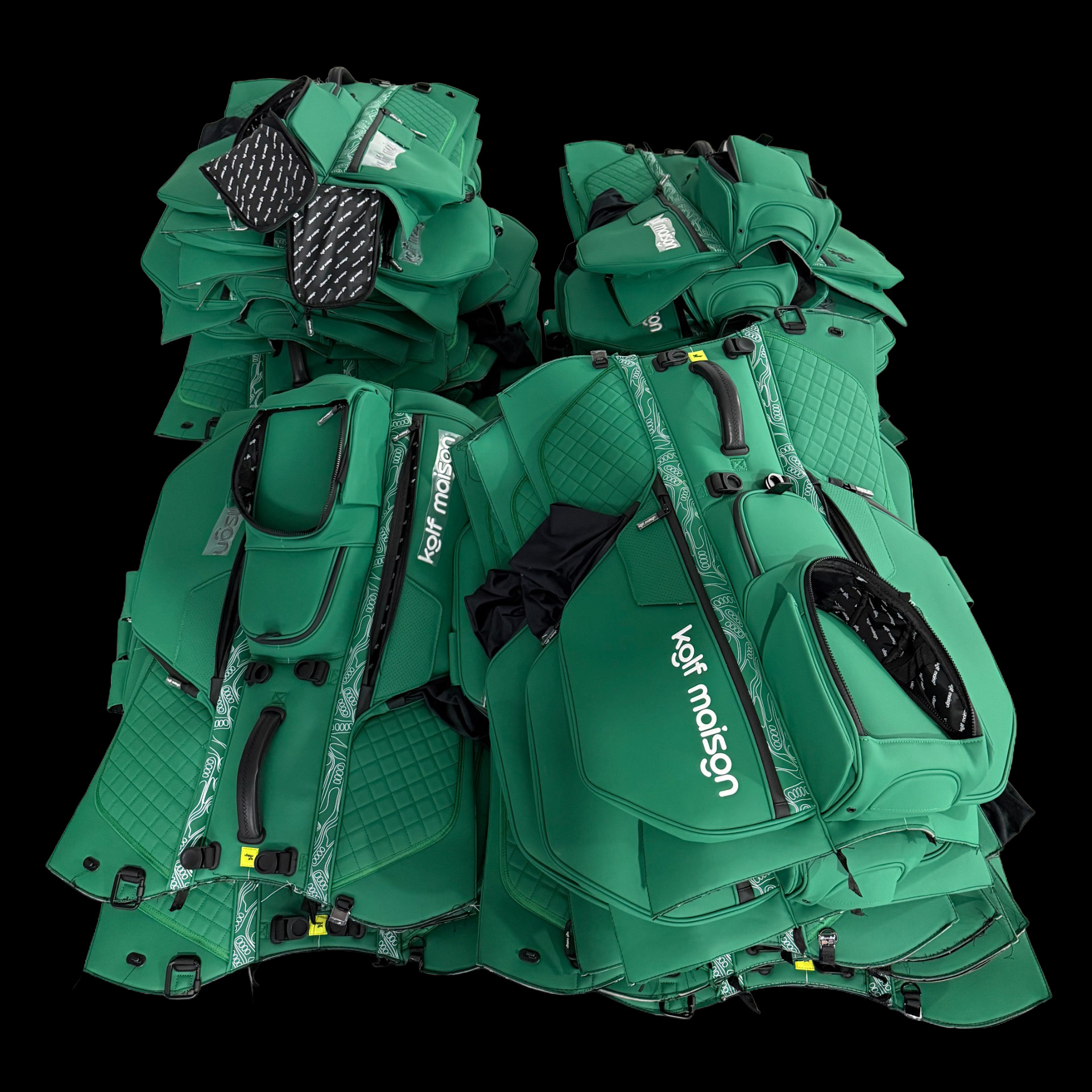
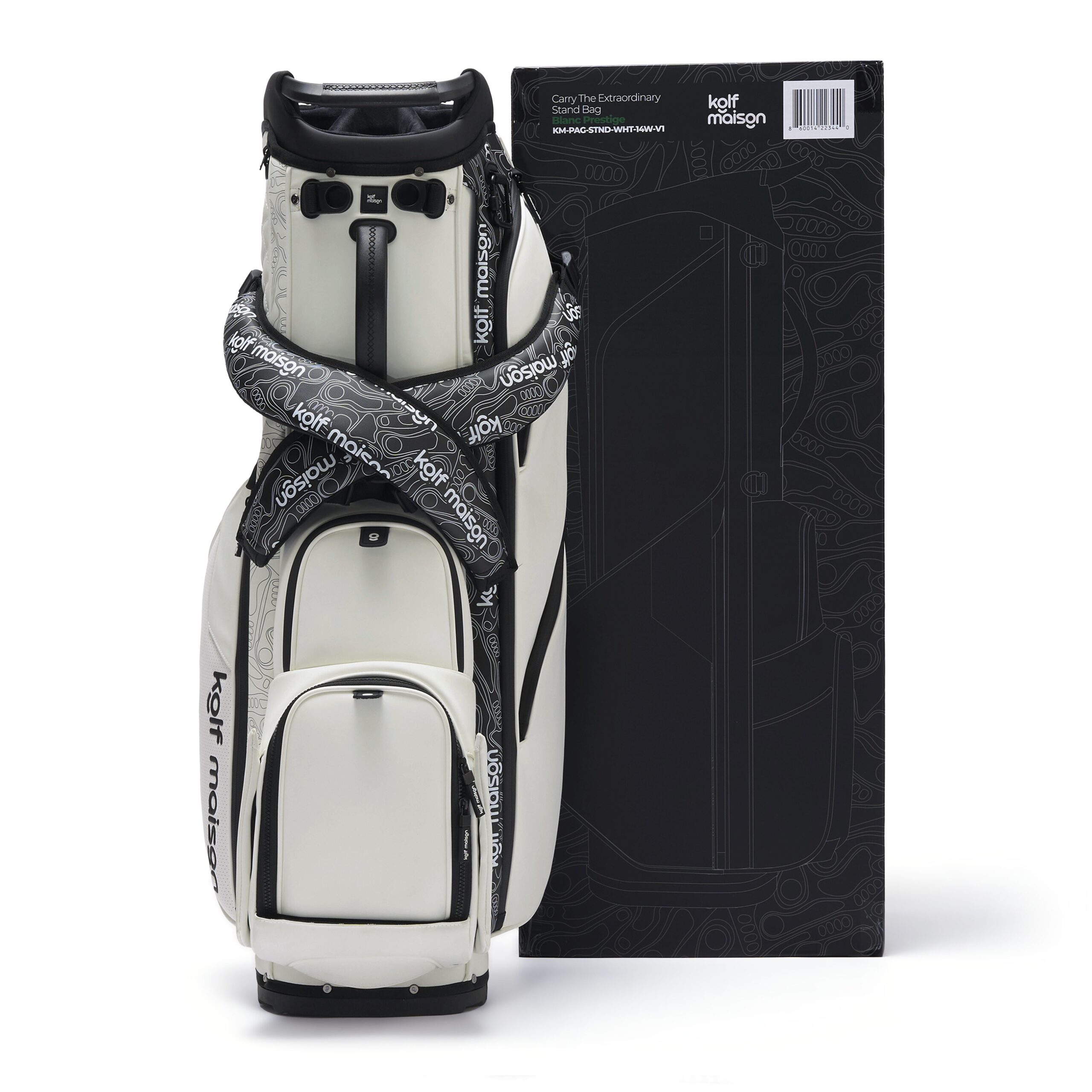
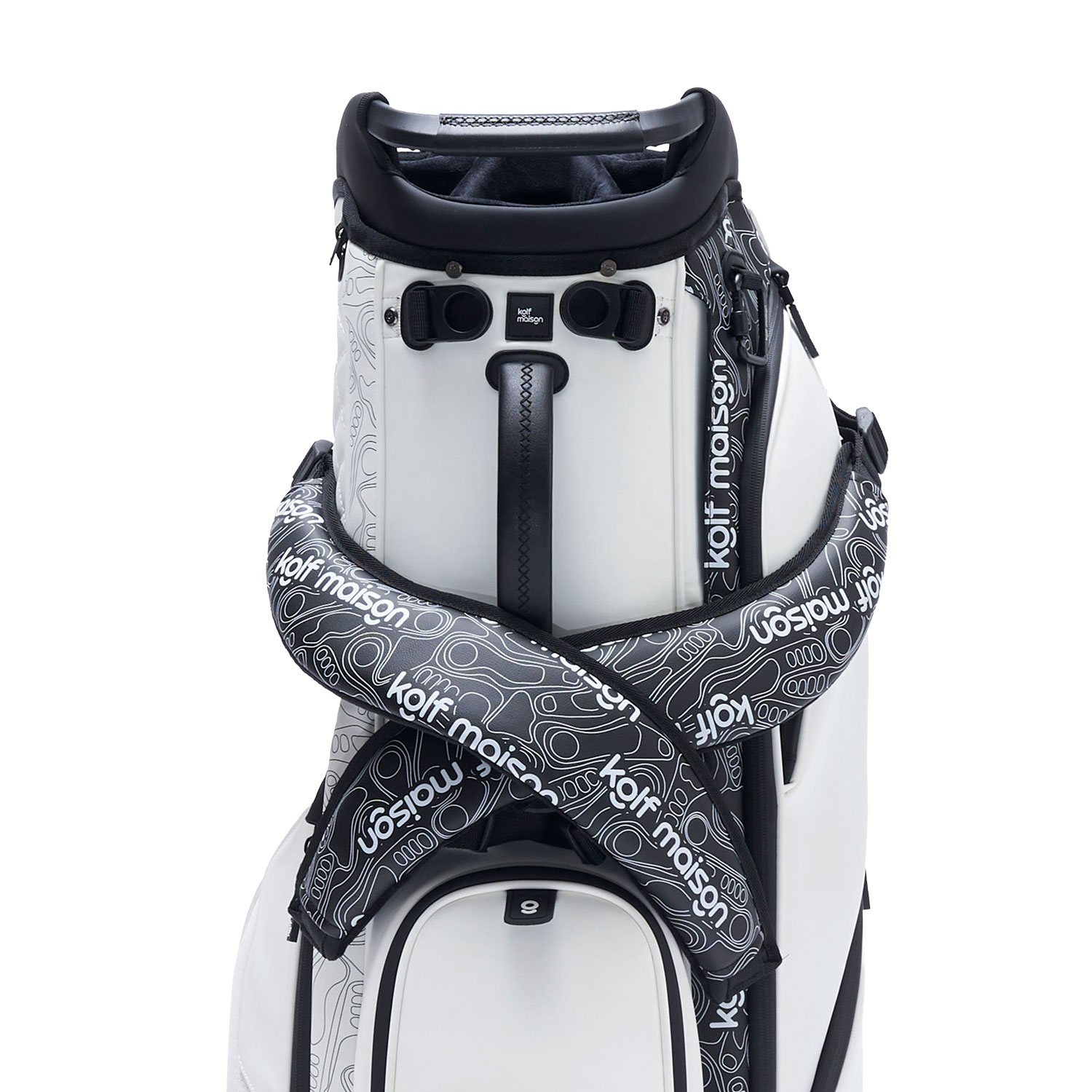
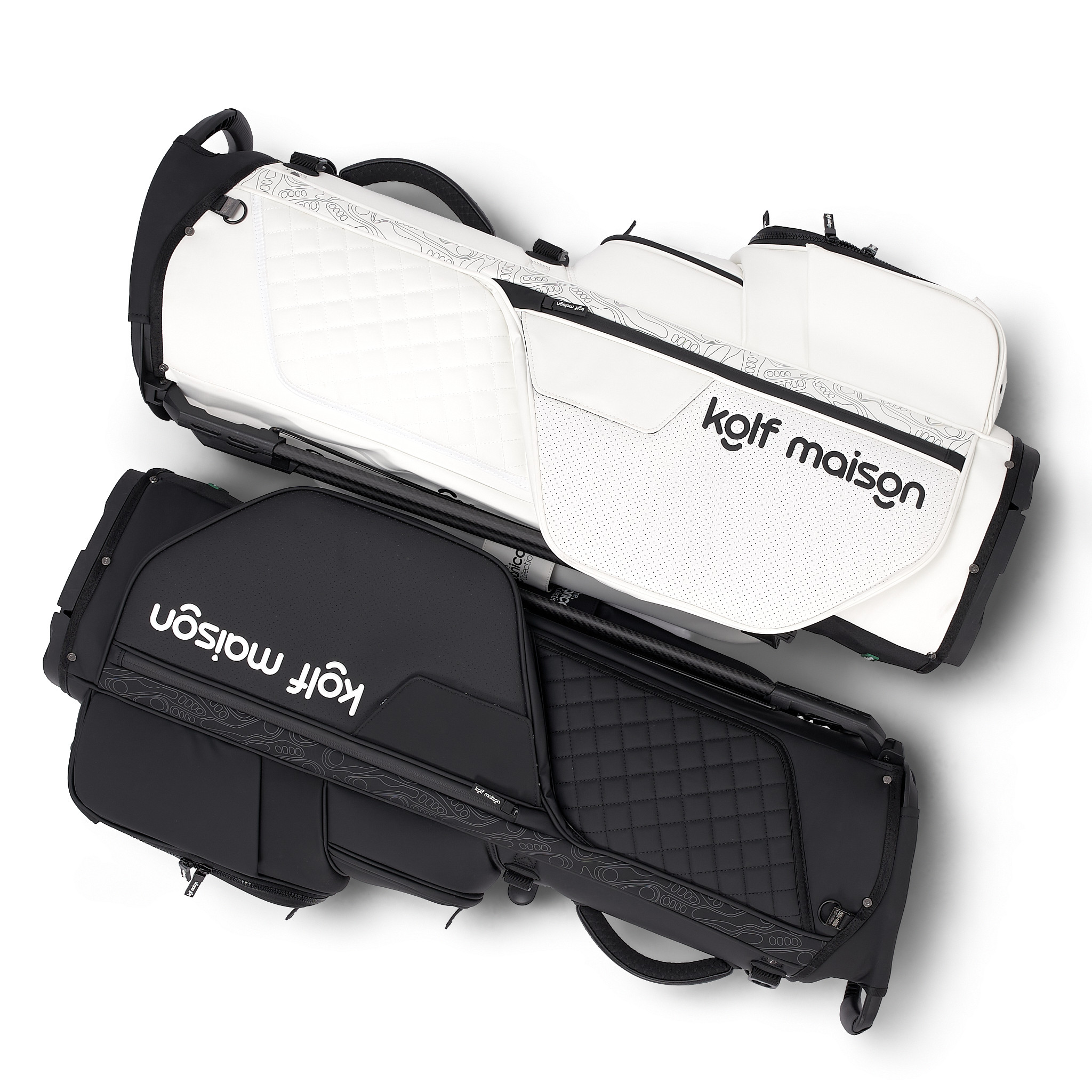
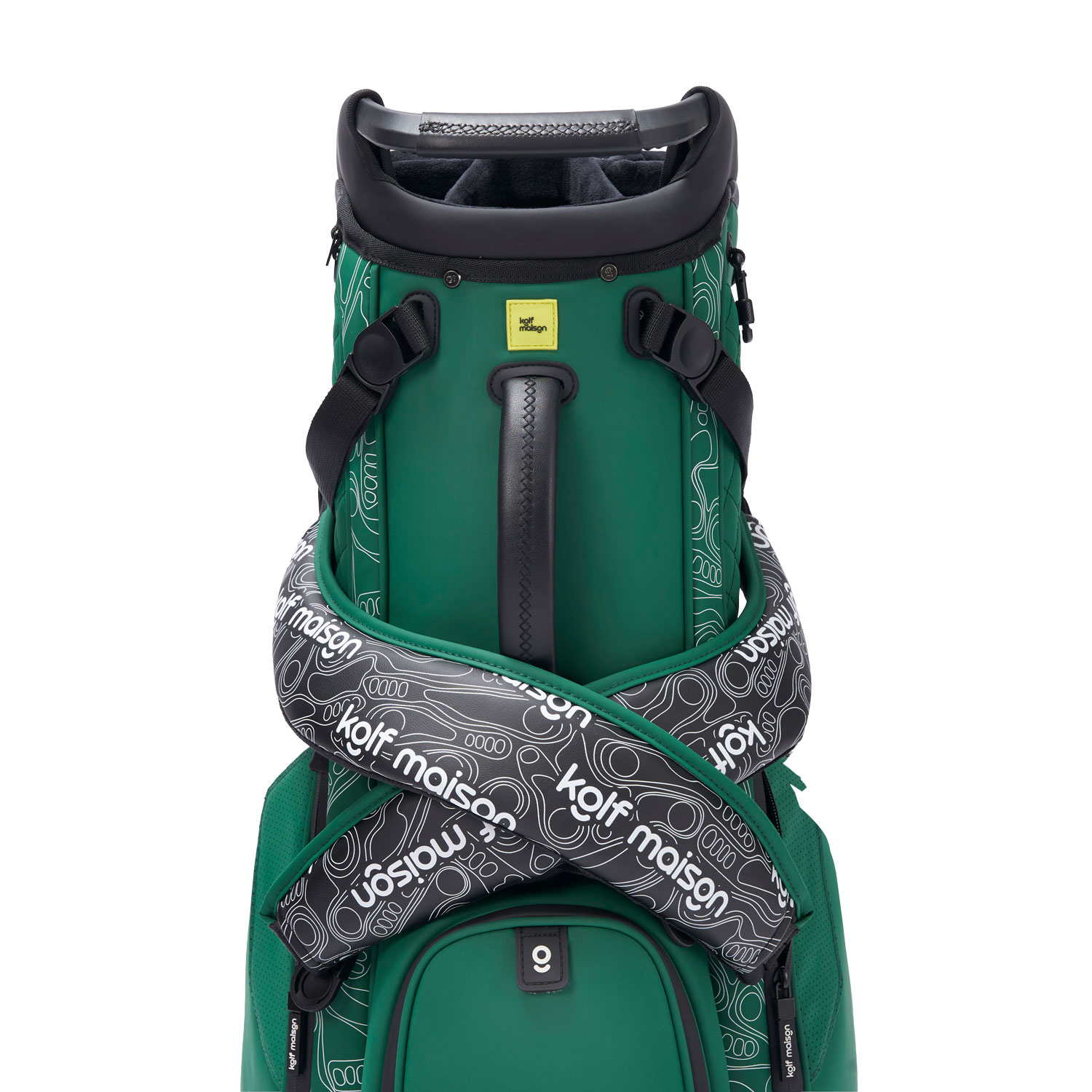
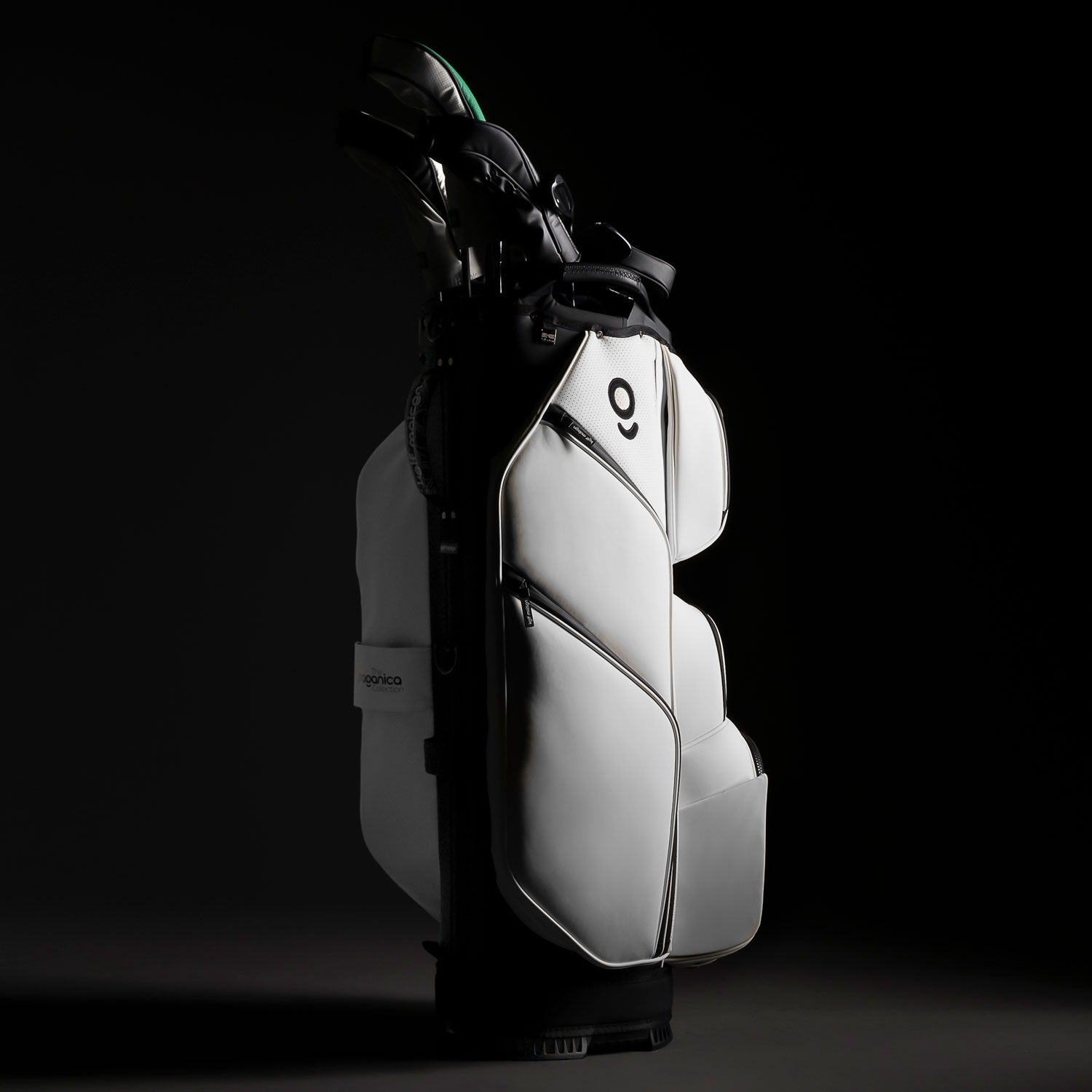
In the Kolf Maison universe, that philosophy is embodied by the Aura Travel Bag, designed for golfers who want the journey to feel as composed as their presence on the course. Smooth glide mobility, multiple ergonomic handles for effortless lifting, internal securing straps to keep clubs stable, and lockable zippers for peace of mind are not luxuries in the superficial sense. They are quiet assurances. They are the small decisions that prevent the trip from stealing attention from the game.
Quiet luxury is not a logo. It is the sensation of competence. The satisfying firmness of a buckle that does not flex under strain. The subtle efficiency of a compartment that separates shoes from apparel. The moment you realize you can move from taxi to terminal to transfer without wrestling with your own luggage. When travel becomes seamless, the mind stays clean, and clean is where good golf lives.
Technology and the Modern Golf Trip: Useful Without Becoming Loud
Technology is now woven into the golf journey, whether we like it or not. The question is not whether to use it. The question is whether it serves the trip’s elegance. The modern luxury traveler uses technology like a valet uses a key. Efficiently, quietly, and without drawing attention to the mechanism.
Planning tools can identify courses, compare routing, and suggest shoulder season windows. Launch monitors and swing apps can keep a traveler connected to tempo. Translation tools can smooth small frictions abroad. Weather models can influence start times and packing decisions. Used well, these tools reduce uncertainty and increase control.
Used poorly, they fragment attention. The traveler becomes a spectator to their own trip, scrolling instead of arriving. Luxury travel in 2025 is increasingly defined by restraint in the digital realm. The best golfers understand that attention is a finite resource. It should not be spent on endless optimization once the trip has begun.
One practical example is rules access. In unfamiliar settings, small questions arise. Local dropping areas. Preferred lies. Temporary obstructions. Rather than relying on hearsay, the most composed solution is to use official references. The USGA provides a structured entry point via the USGA Rules platform, while The R&A offers comprehensive rules resources for those who administer the game through The R&A Rules of Golf portal.
None of this is about becoming a rules scholar on holiday. It is about preserving the integrity of play, which is ultimately a form of respect. A golfer who travels well respects the game, the course, the people, and their own standards.
A Note on Social Golf Travel
Group travel is also evolving. The modern group trip is less about spectacle and more about shared ritual. Travelers are choosing experiences that allow conversation to be unforced, rounds to be unhurried, and evenings to feel like continuation rather than contrast. The golf trip that ends in exhaustion is rarely remembered for its scores. It is remembered for its frictions. The best group trips feel almost effortless, which is never an accident.
Even in the world of media and entertainment, the tone is shifting toward experiences that feel immersive and personal. For travelers who like to build atmosphere before departure, a few curated references can become part of the ritual. A video can set the mood for packing. A track can become the soundtrack of a night drive between courses. For optional ambience, consider a short golf travel video reference, an additional travel preparation clip, or a calm soundtrack such as a travel playlist track. These are not necessities. They are small, optional touches that some travelers enjoy as part of the pre trip ceremony.
How to Choose the Right Luxury Golf Destination Without Chasing Hype
Choosing a destination is where many travelers confuse popularity with suitability. A course can be famous and still be wrong for your trip. A resort can be renowned and still feel noisy. Luxury is not merely access. Luxury is alignment.
Start with the style of golf you want to play. Links, parkland, desert, mountain, heathland. Each has its own rhythm and demands. Links requires creativity and patience. Mountain golf rewards precision and demands breath control. Desert golf asks for strategic restraint. Parkland golf often emphasizes shaping and distance control.
Then consider climate and seasonality. Shoulder season is often the true luxury window, not because it is cheaper, but because it is calmer. Courses are less crowded. Staff have time. The pace of play improves. The experience becomes smoother, and smoothness is priceless.
Next, consider the kind of social energy you want. Some trips are built for solitude and reflection. Others are built for celebration. The mistake is to mix intentions. A golfer seeking stillness should not book the loudest week of the year. A golfer seeking a convivial trip should not choose the most monastic property and expect it to become a party.
Finally, examine the small signals of care. The quality of practice facilities. The consistency of caddie programs. The clarity of travel logistics. The presence of thoughtful details that suggest the operator understands golfers as humans, not just as bookings. In this sense, even classic editorial references can help shape perspective. While not new, Condé Nast Traveler’s overview of Scottish golf hotels remains a useful framing device for a certain kind of trip, and you can browse it at Condé Nast Traveler on golf stays in Scotland.
Luxury travel is not about copying someone else’s itinerary. It is about constructing an experience that supports your best golf and your best self. When those two align, the trip feels effortless, and the memory lasts longer than the scorecard.
The Etiquette of Arriving Well
There is an etiquette to golf travel that goes beyond manners. It is the etiquette of preparedness. Arriving well means arriving calm. It means carrying yourself in a way that does not demand attention, yet quietly earns respect.
Preparedness includes knowing the local rules culture, whether a destination leans traditional or modern, whether caddies are expected, whether tips are customary, whether the clubhouse is formal or relaxed. It includes understanding that pace of play is not merely a preference but a form of courtesy. It includes remembering that the most exclusive rooms in golf are often the quietest ones.
Arriving well also means protecting your equipment so you do not enter the course with a story of stress. A traveler who begins the day by resolving baggage issues has already spent emotional energy that should have been reserved for shot selection and tempo.
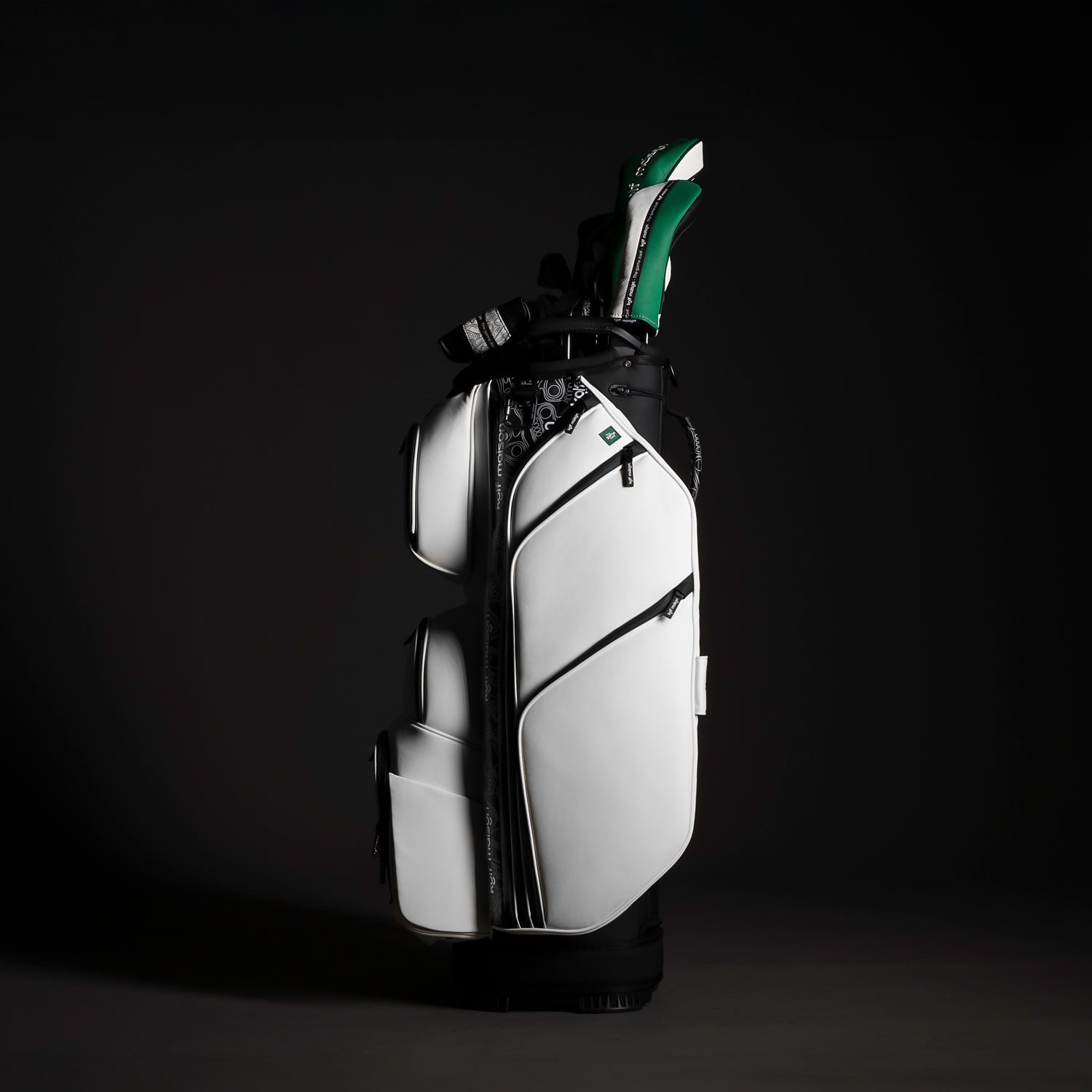
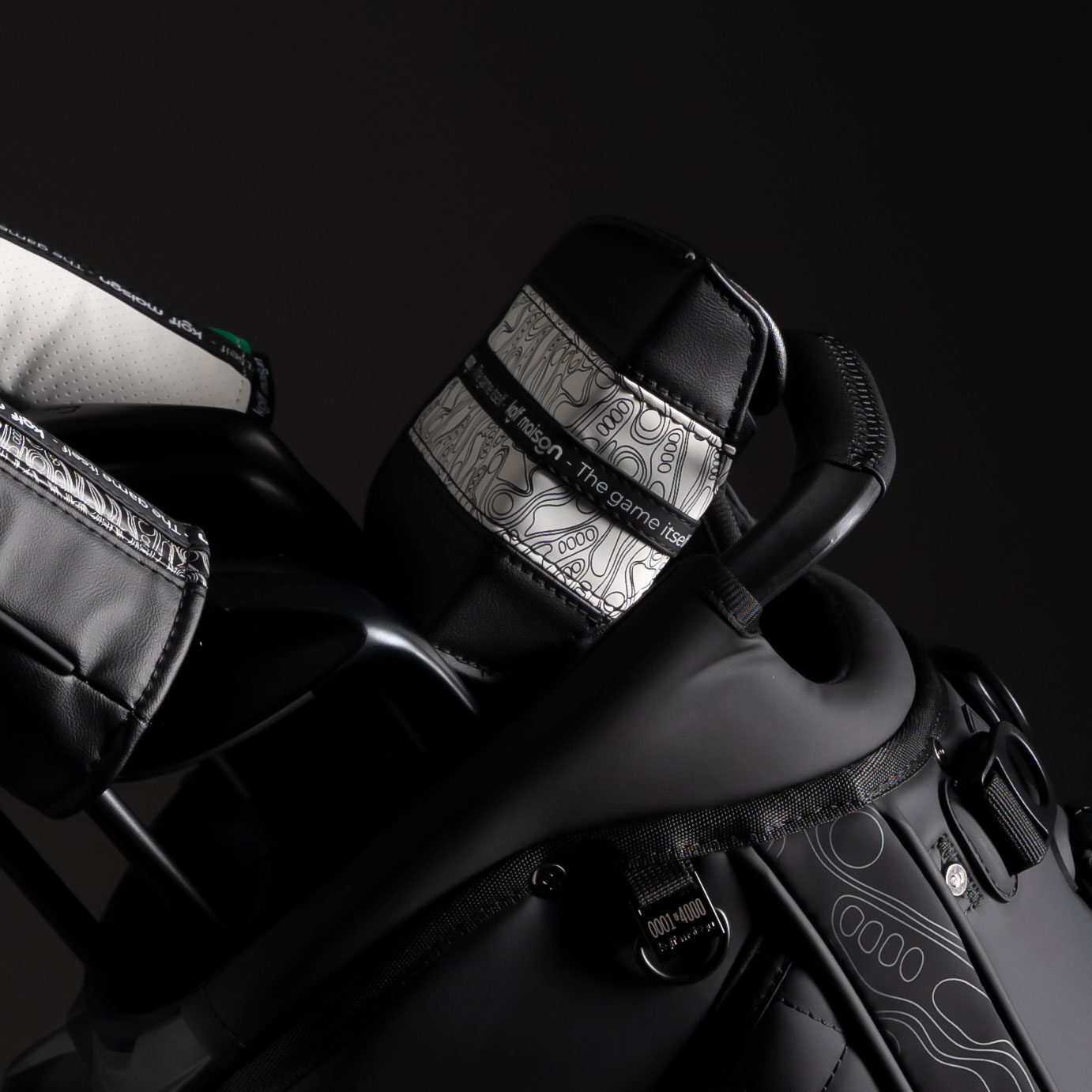
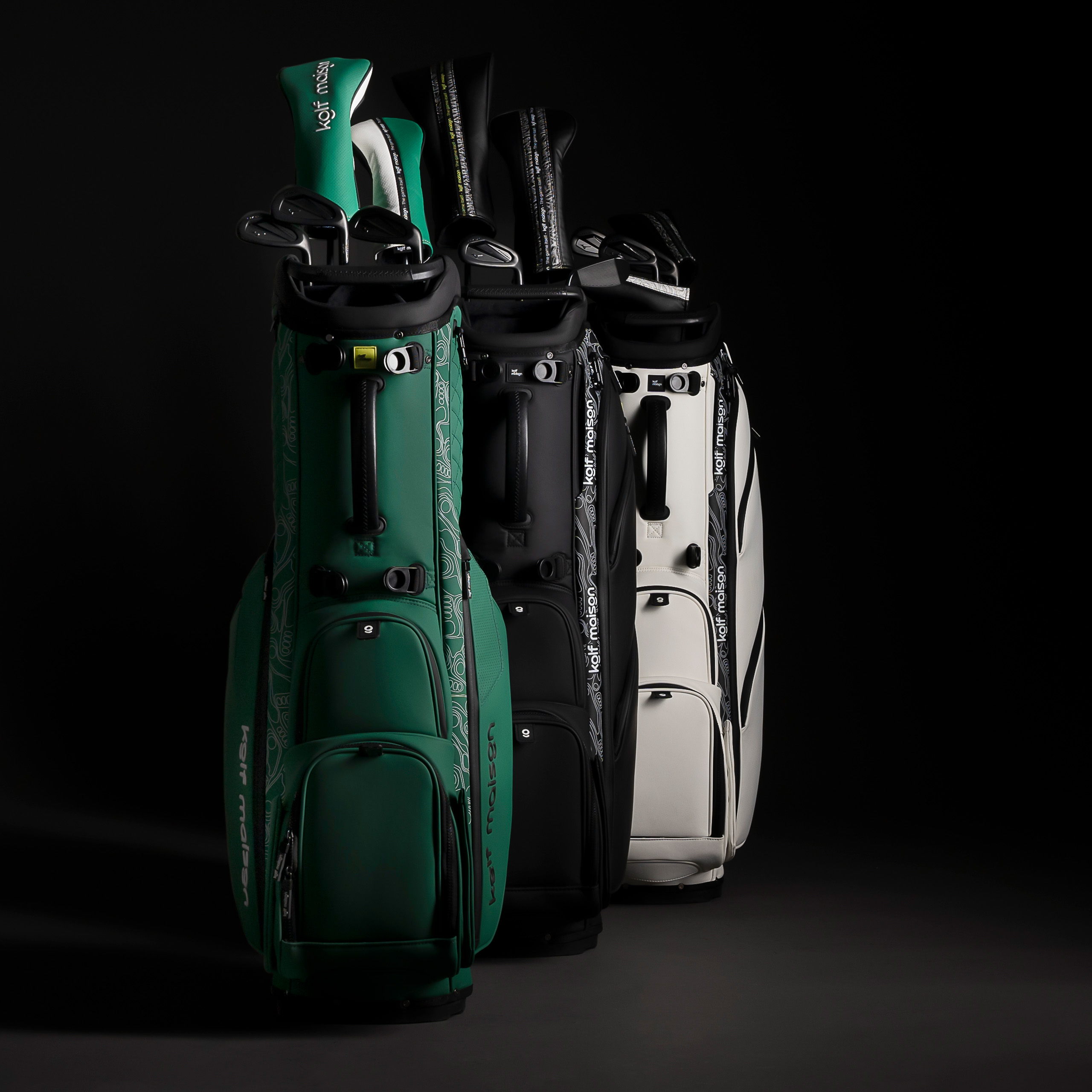
This is why the philosophy behind Kolf Maison matters most when it is least visible. Quiet luxury, intentional scarcity, and handcrafted precision are not aesthetic slogans. They are standards that can be felt in the way a bag is balanced, the way compartments are designed, and the way details are executed. When those standards carry into travel, the trip feels less like logistics and more like continuity.
Golf is a game of margins. Travel is the same. The difference between a good trip and a great one is rarely found in the obvious. It is found in the small decisions that remove friction and protect focus. The most refined journeys are those that allow the golfer to arrive as themselves, not as a person recovering from transit.
In a year when trends point toward wellness, sustainability, personalization, and immersion, the most enduring principle remains simple. Travel should not distract from the game. It should elevate it. Quietly. Precisely. Completely.